Tixel Treatment Results in Clinical Practice
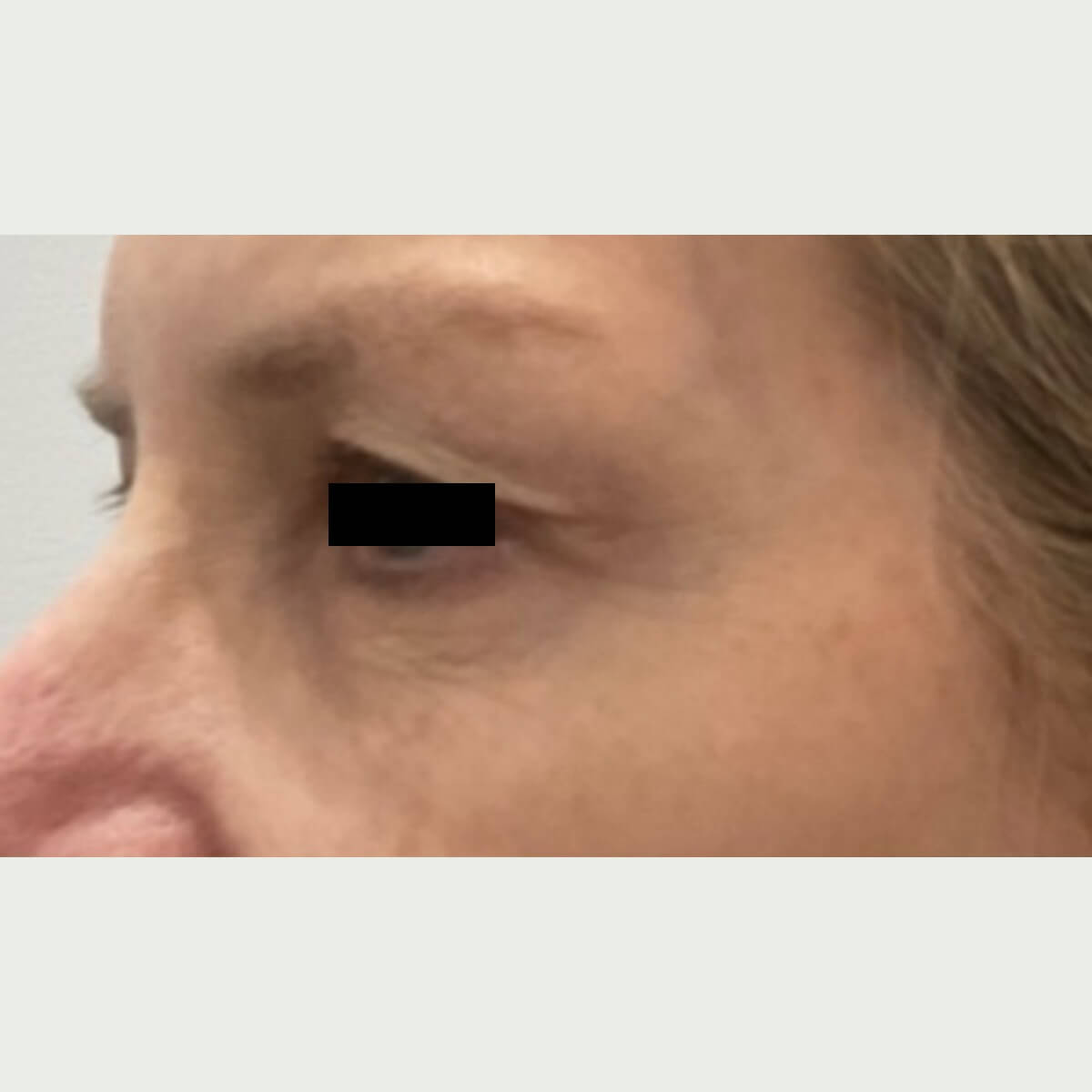
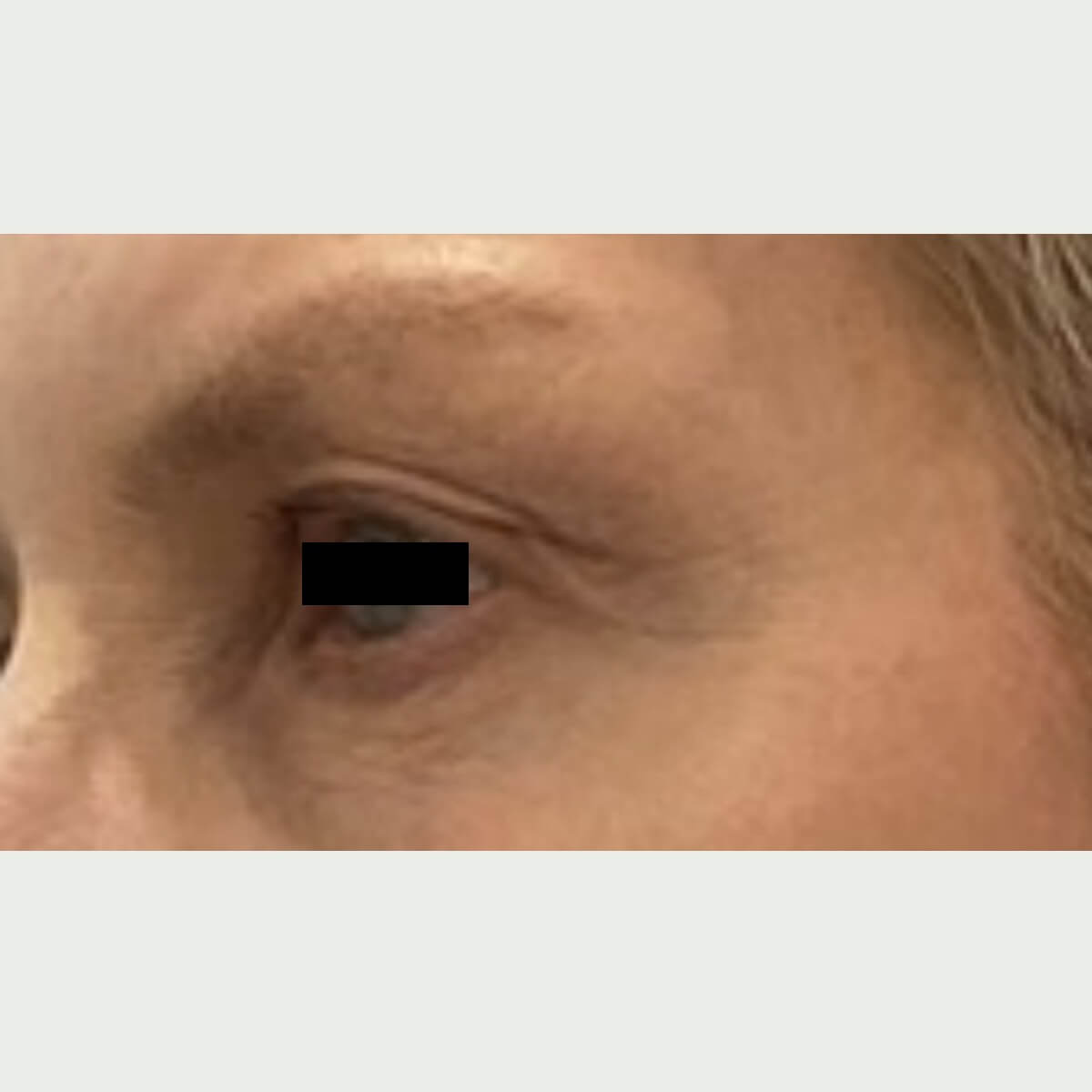
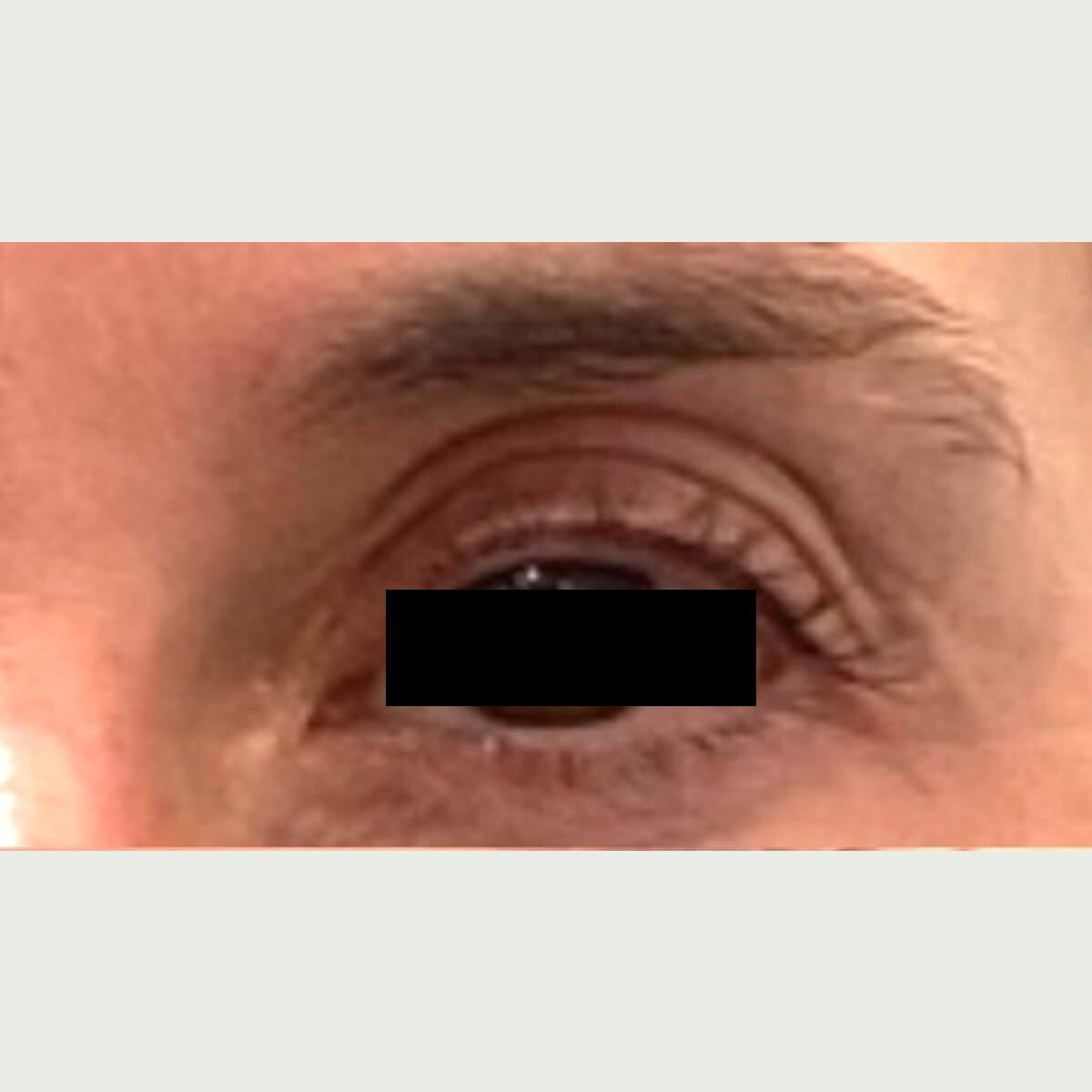
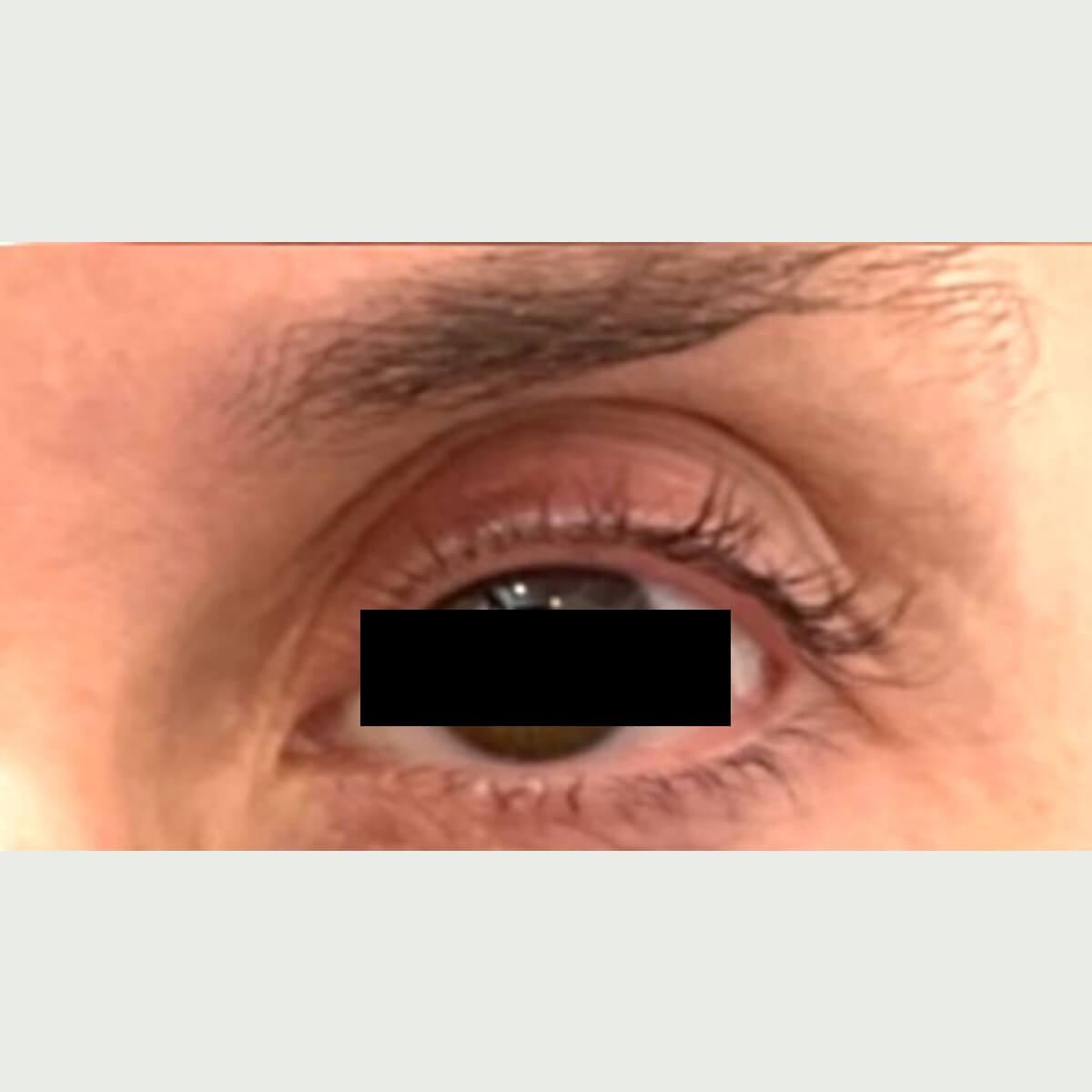
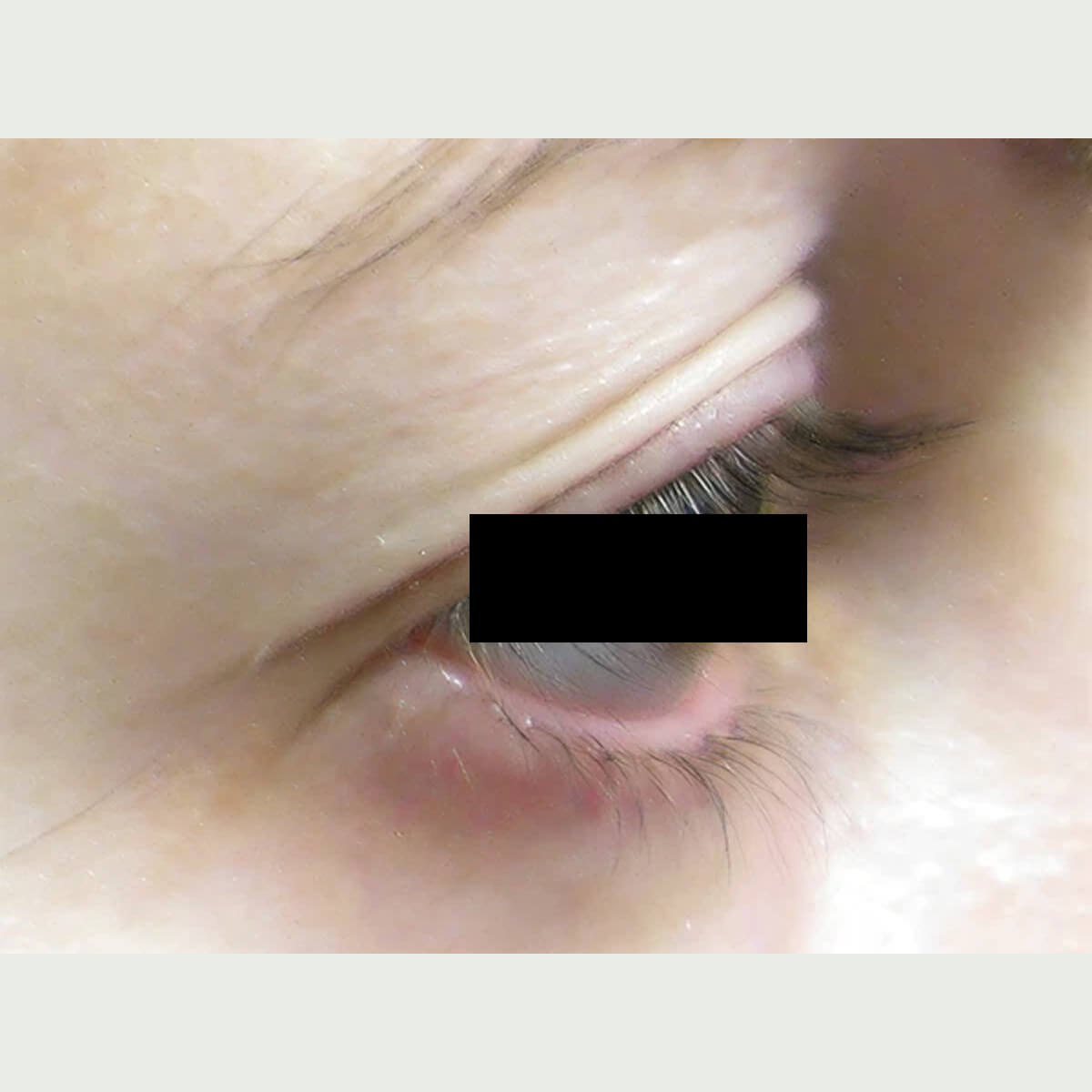
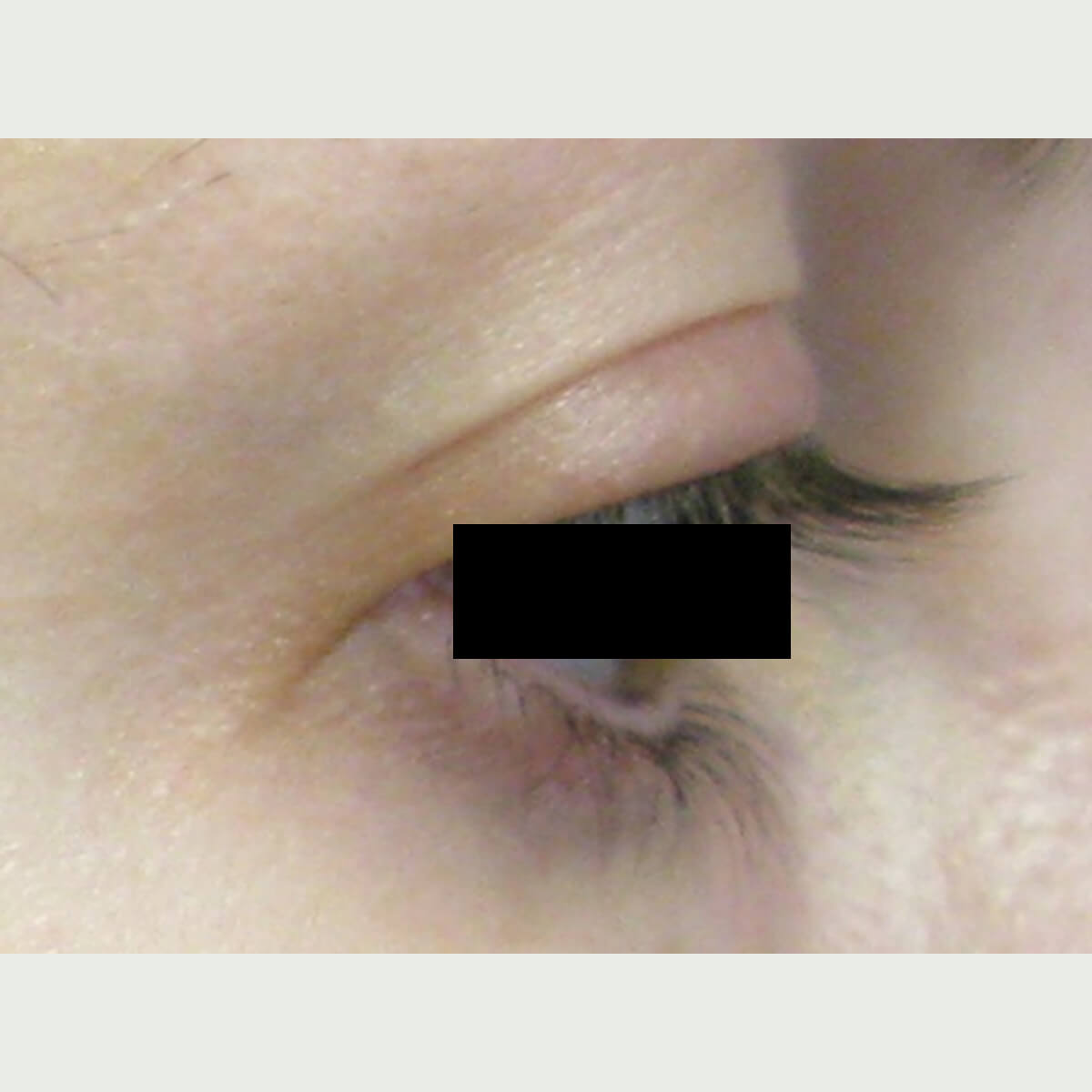
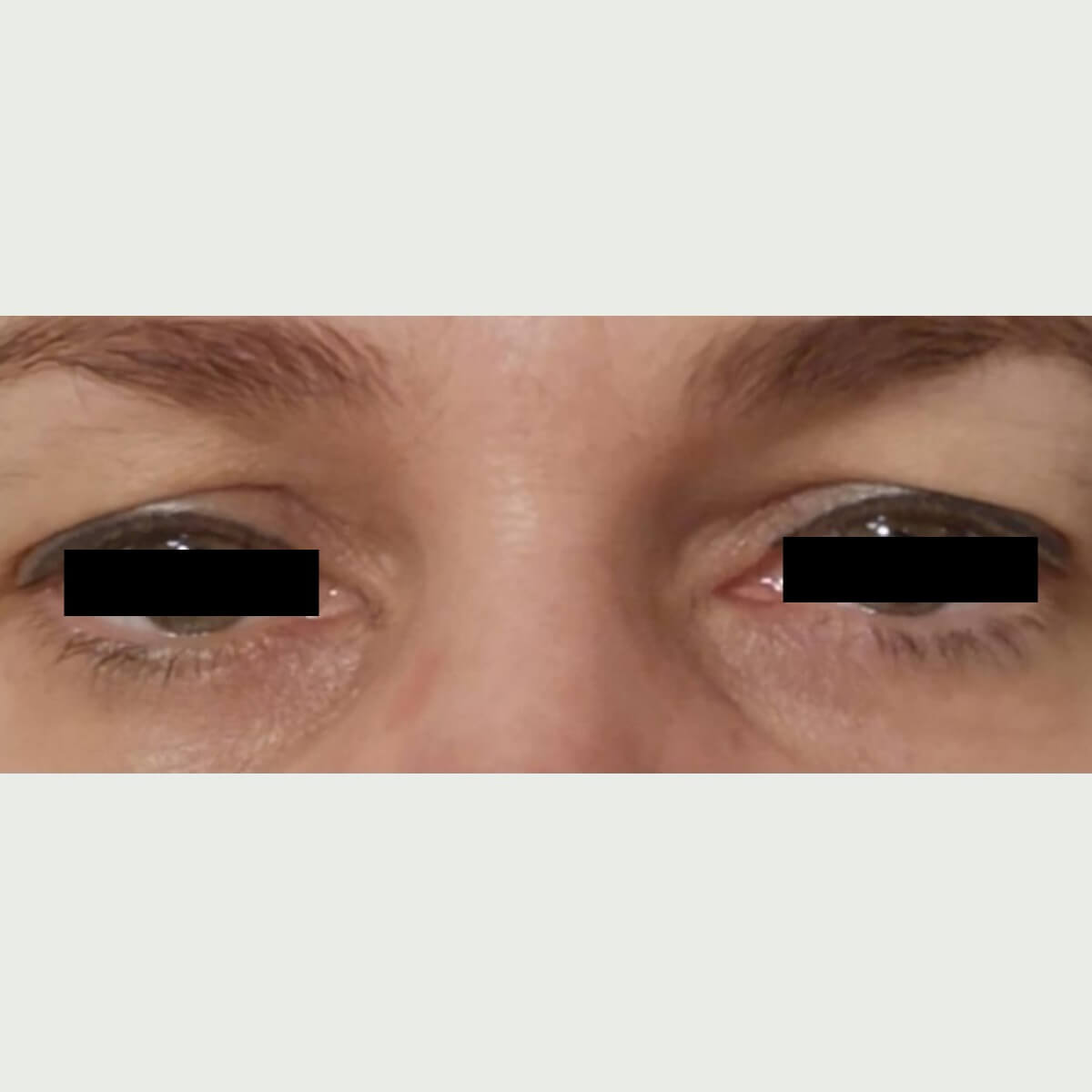
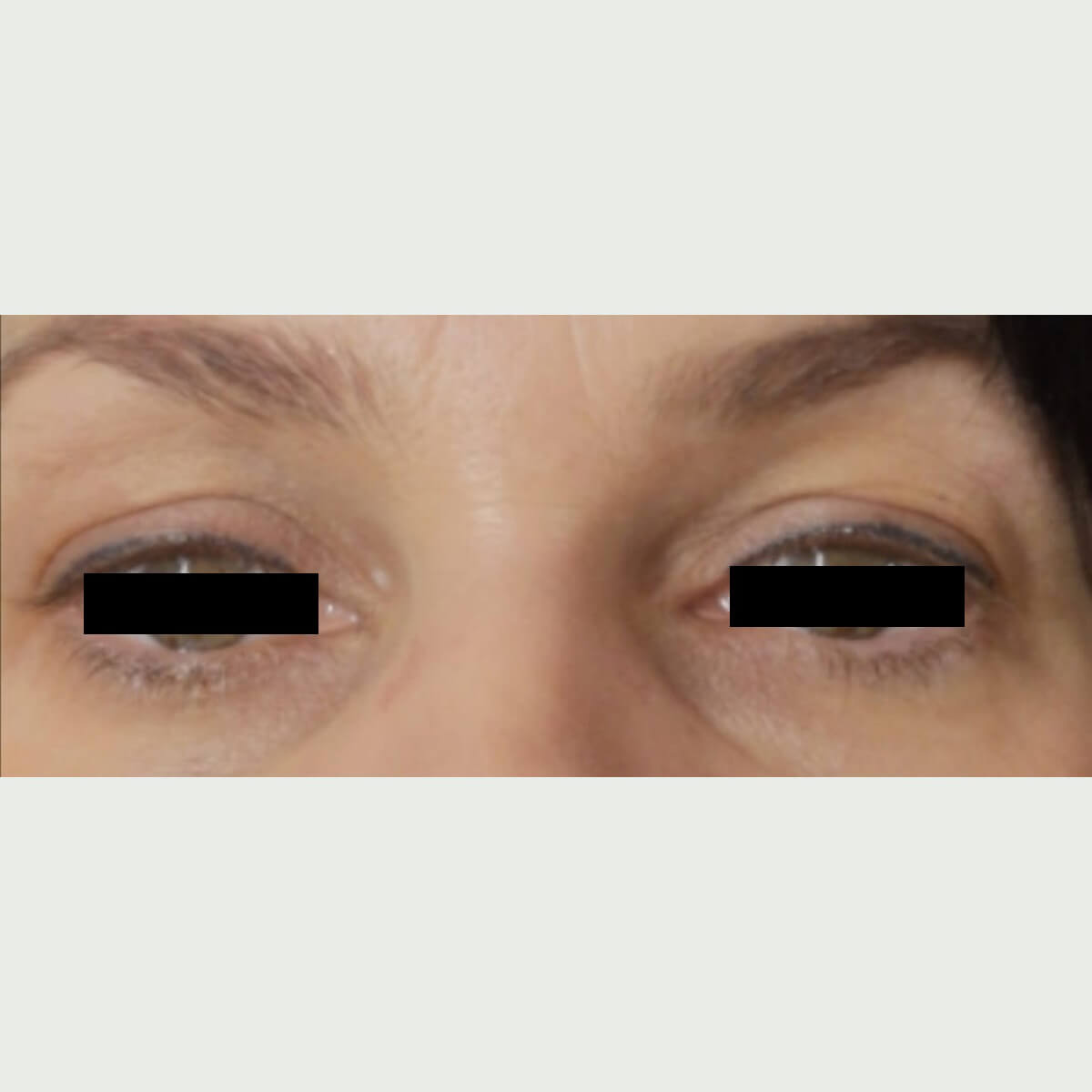
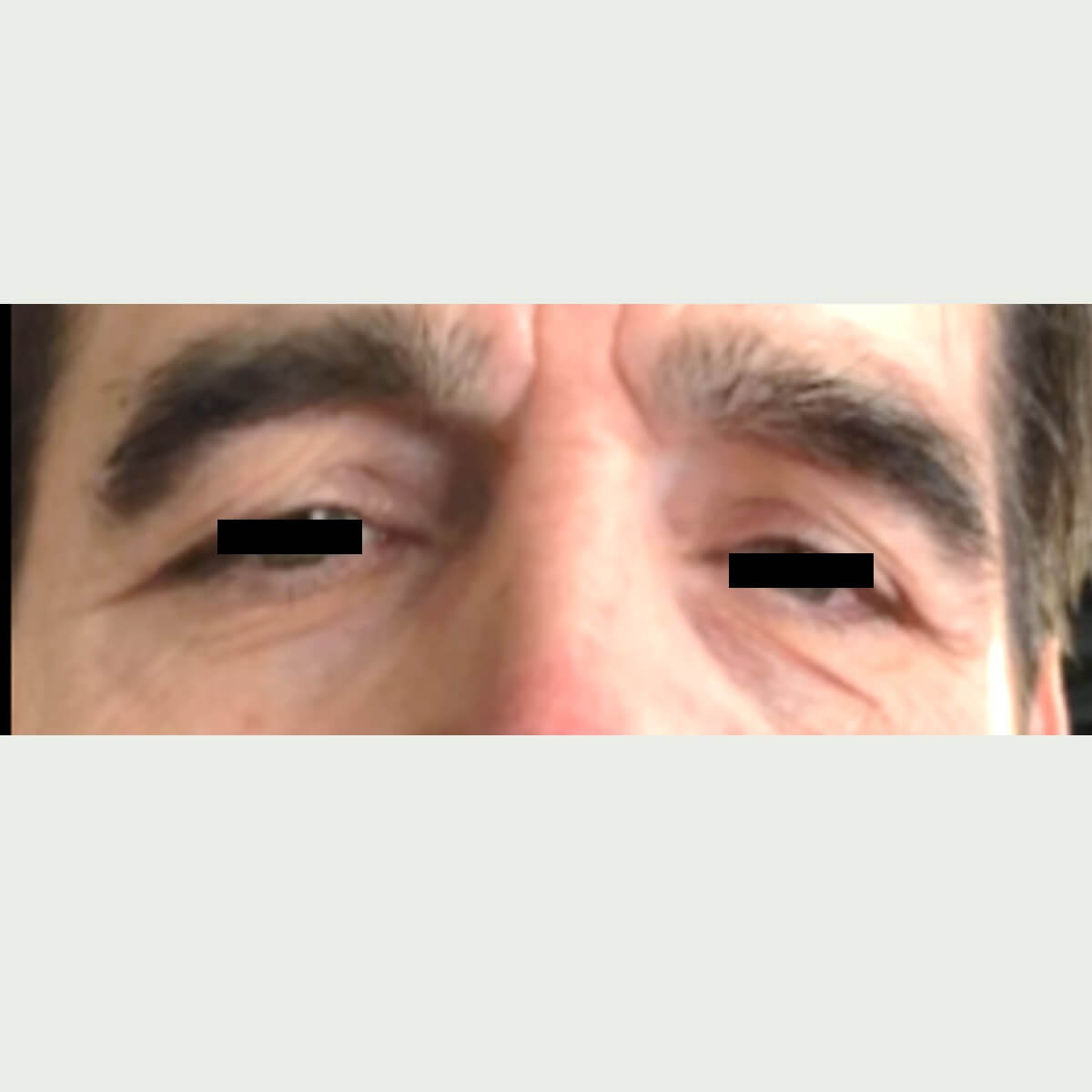
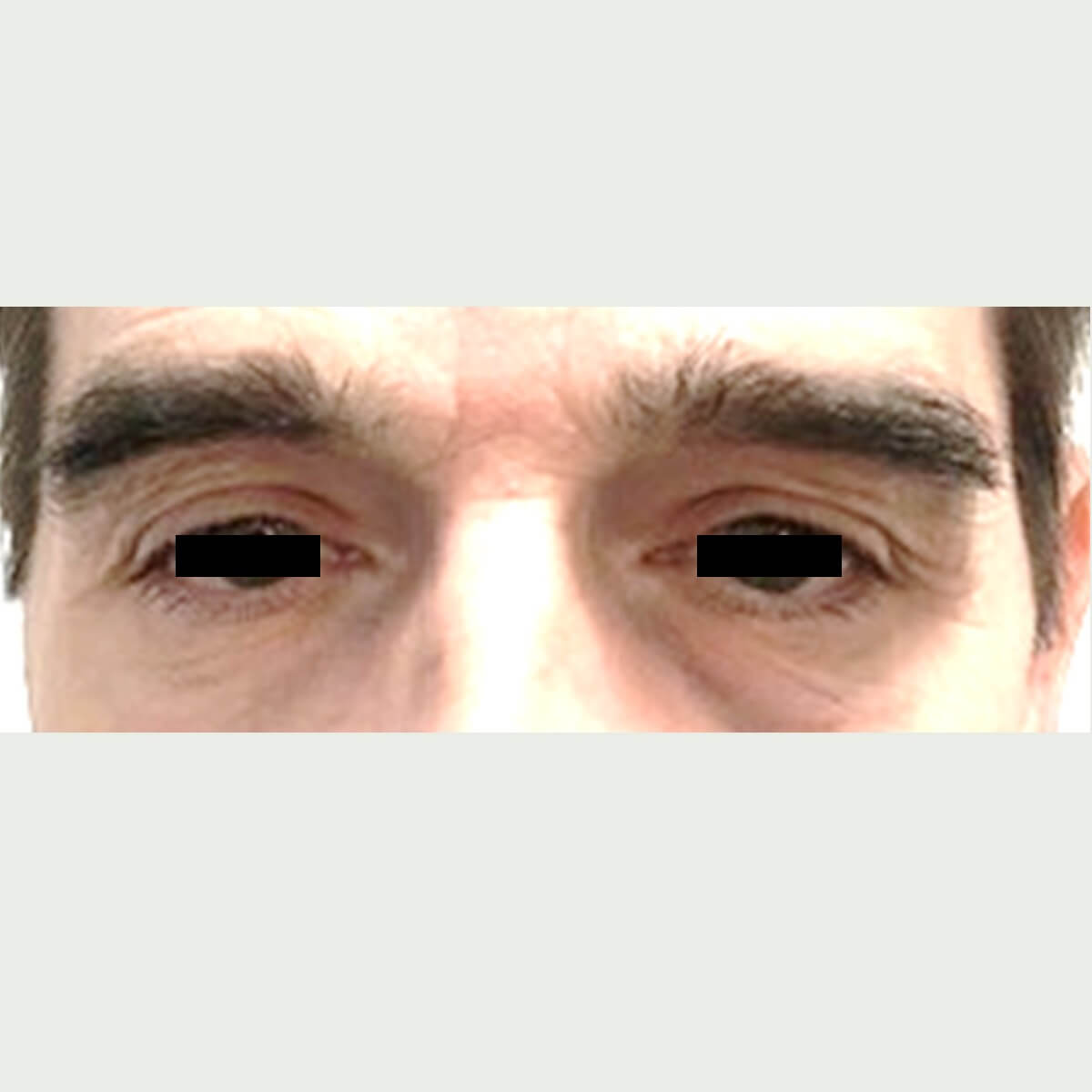
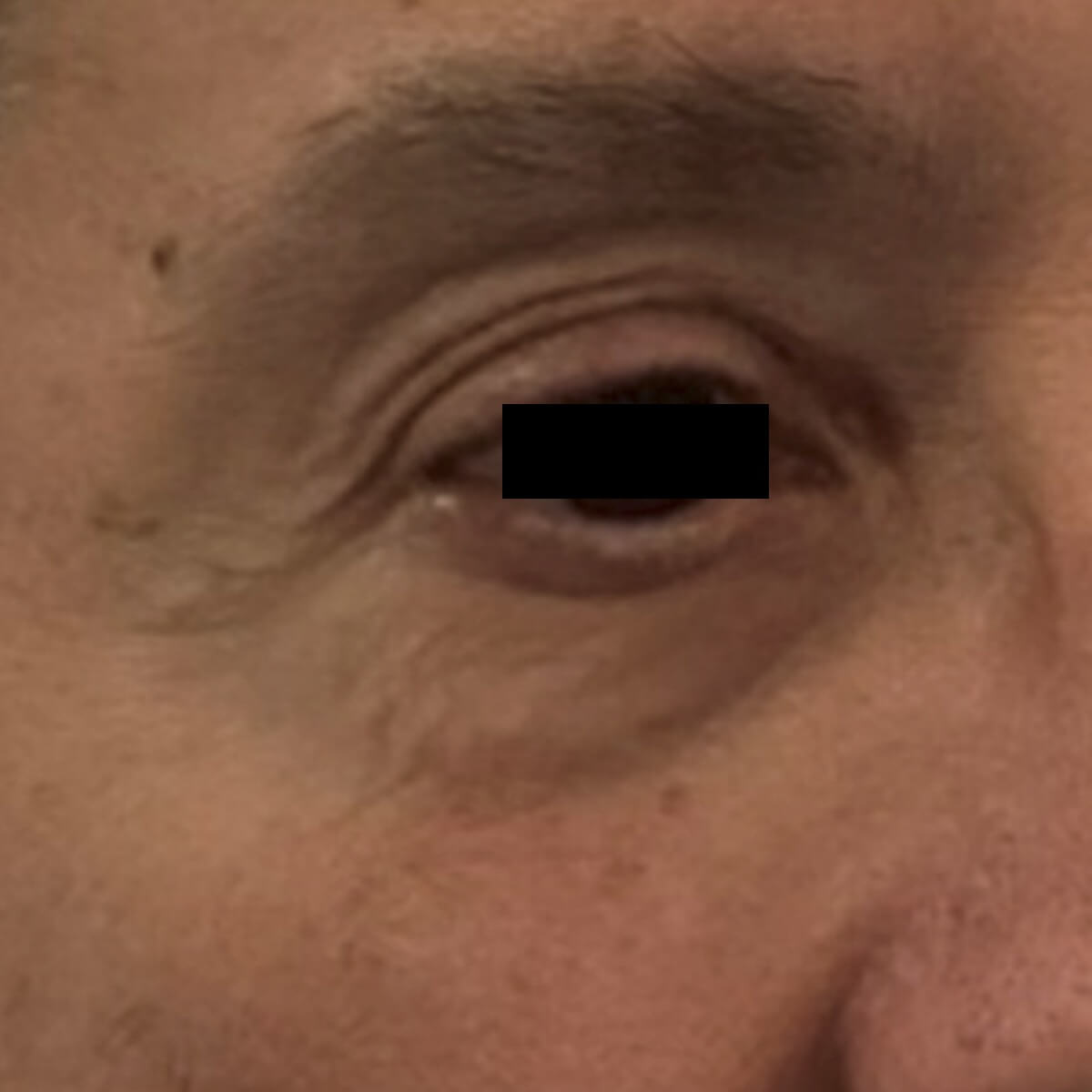
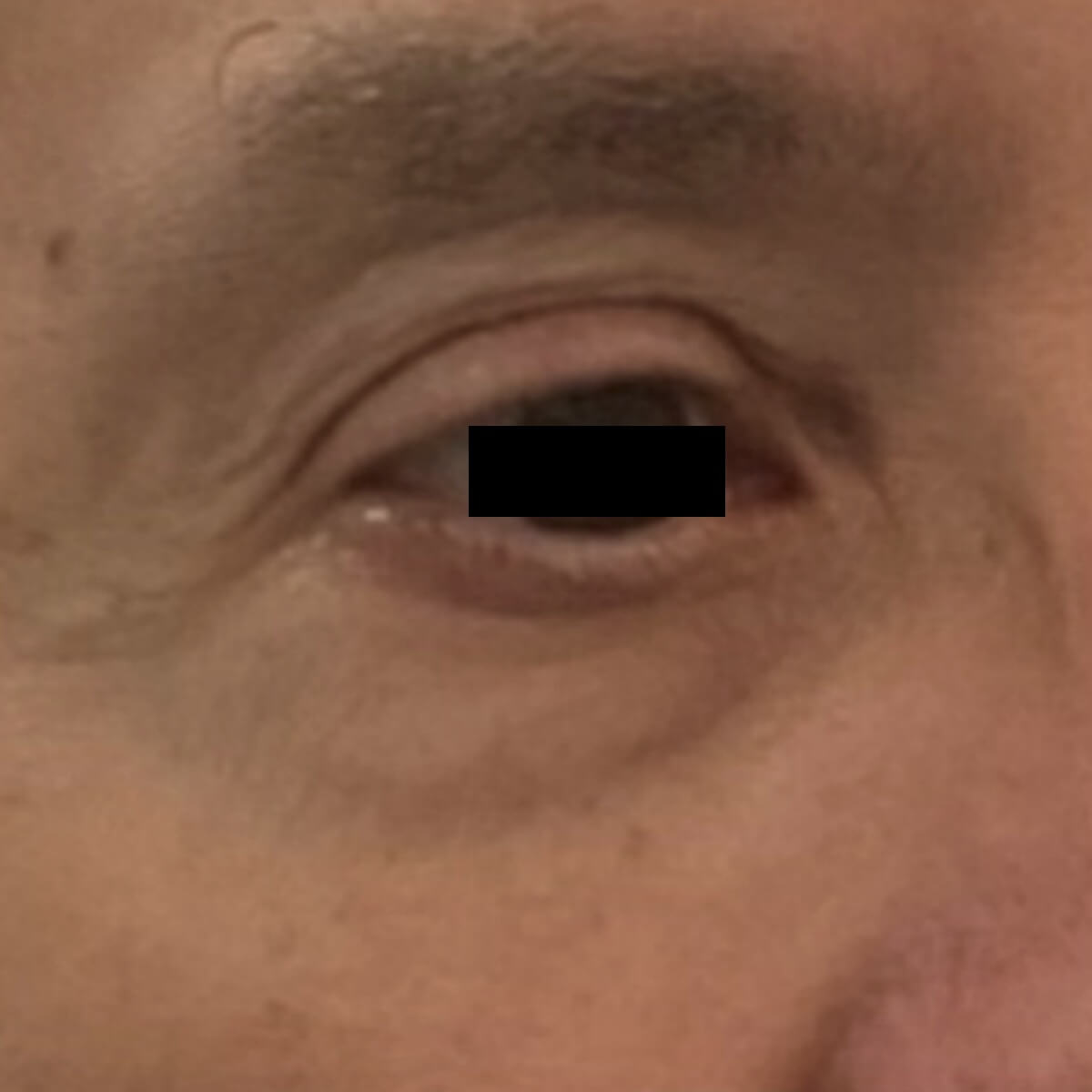
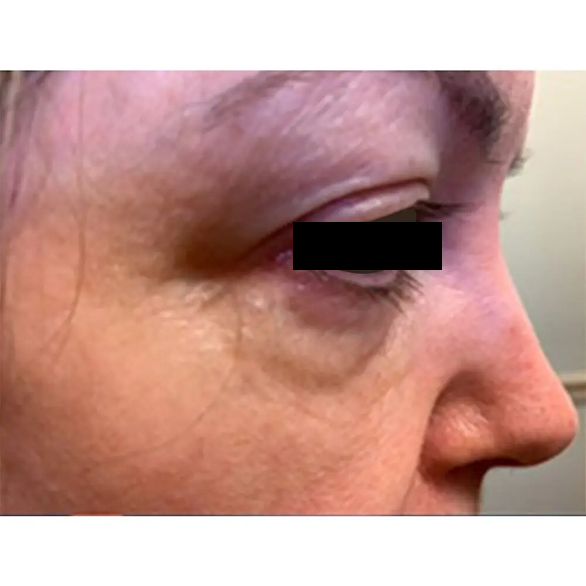
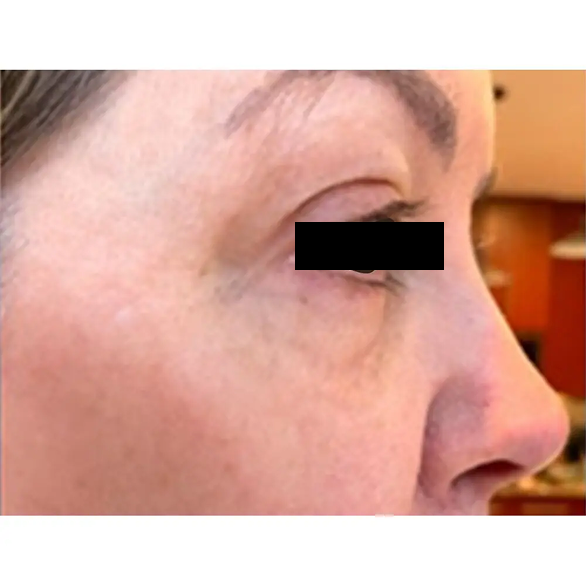
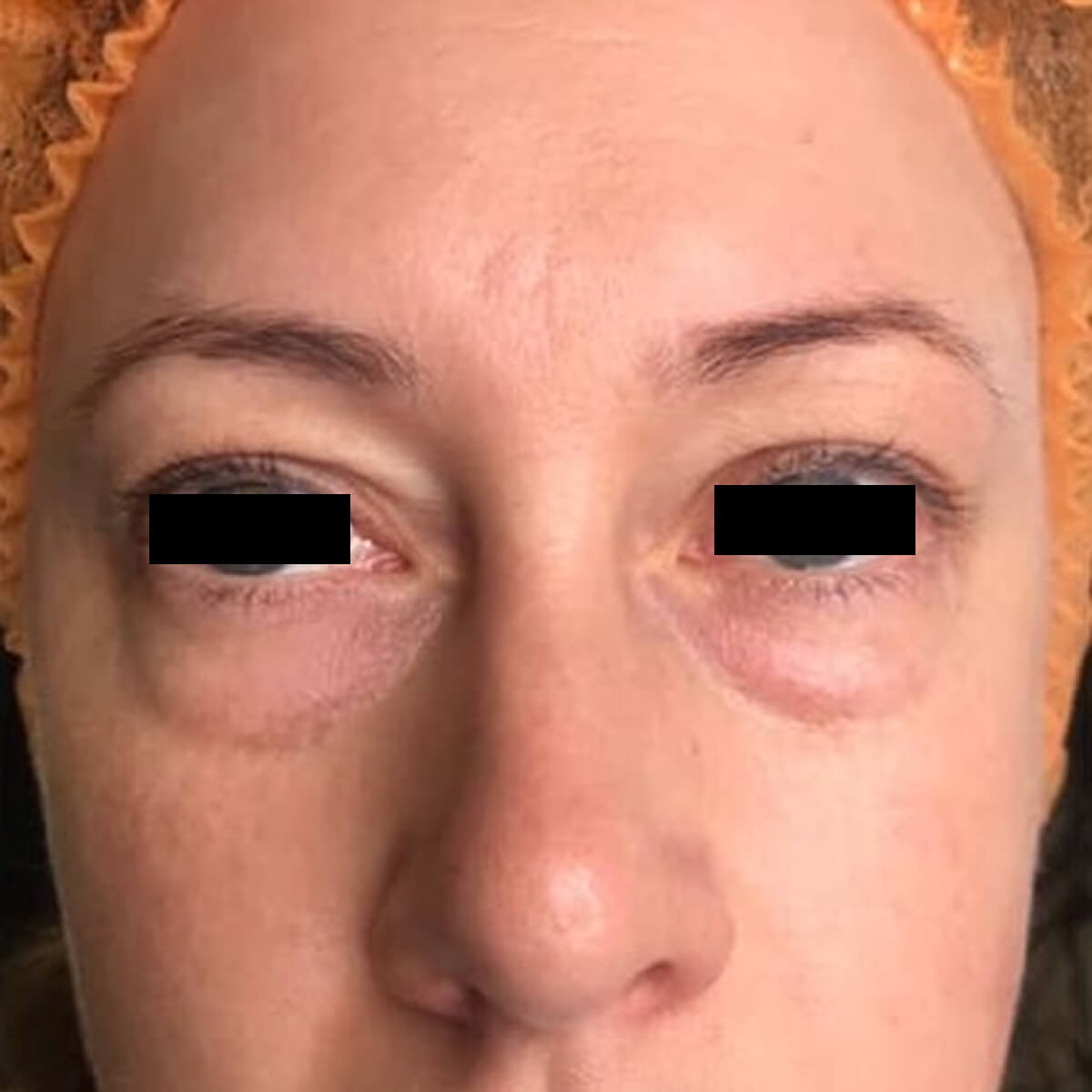
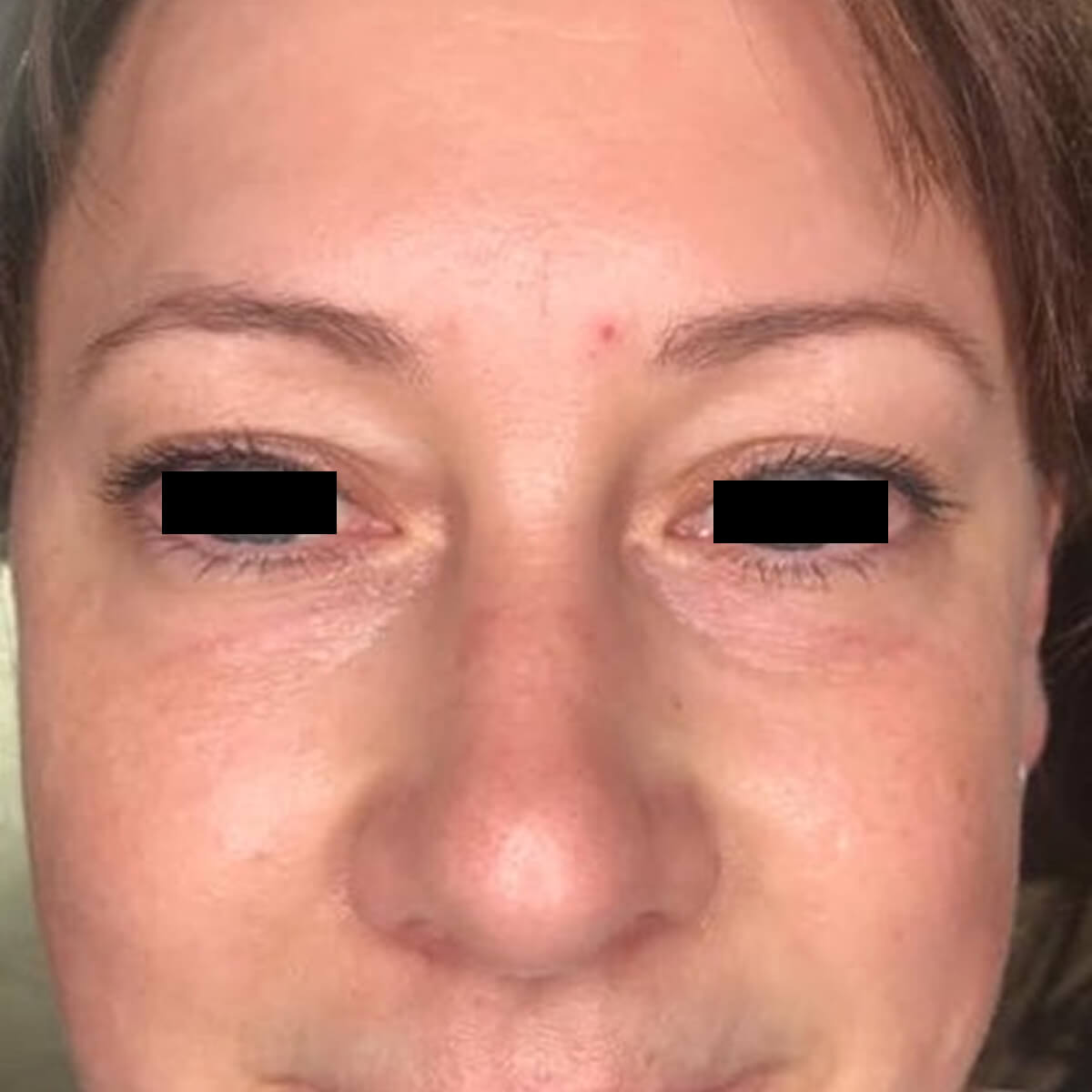
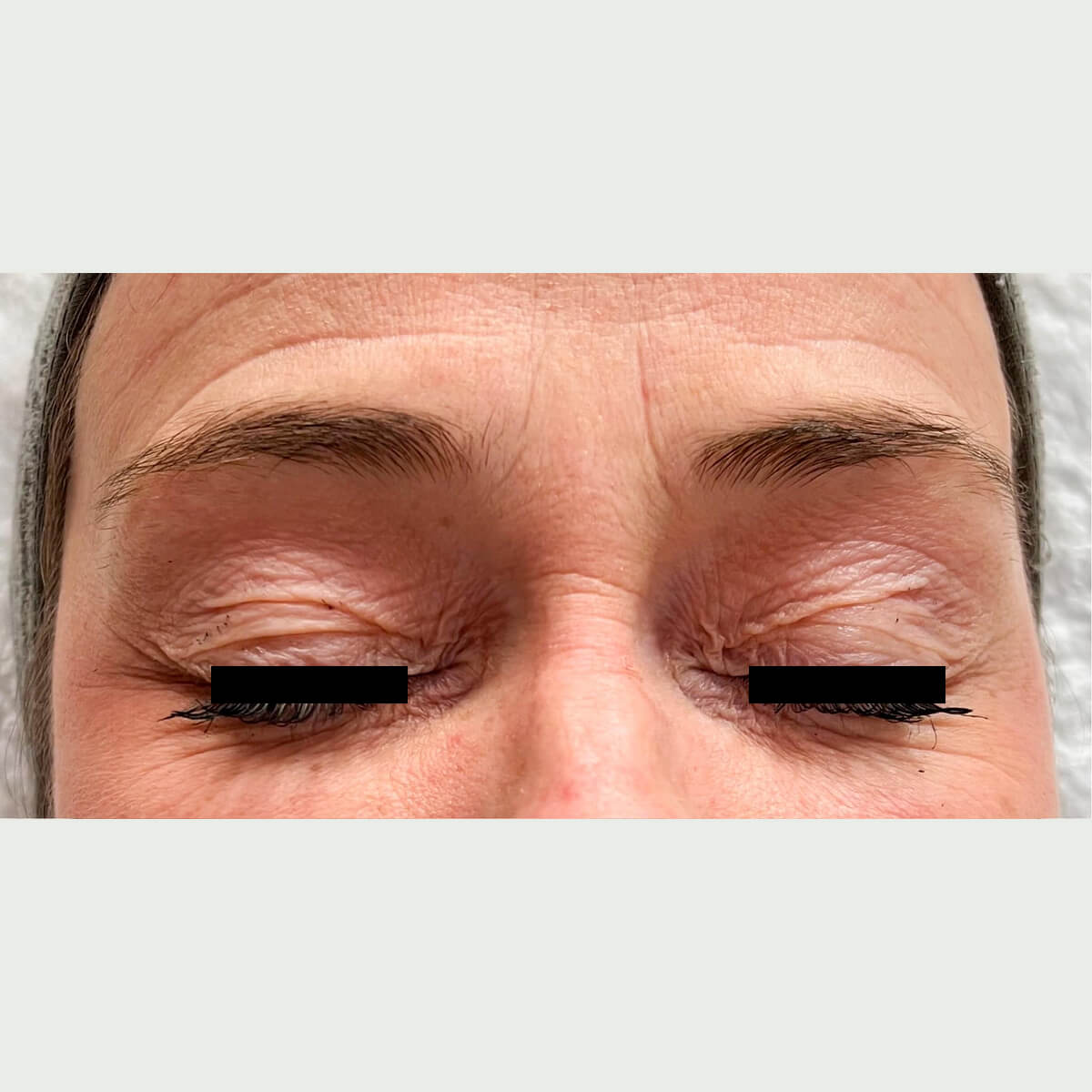
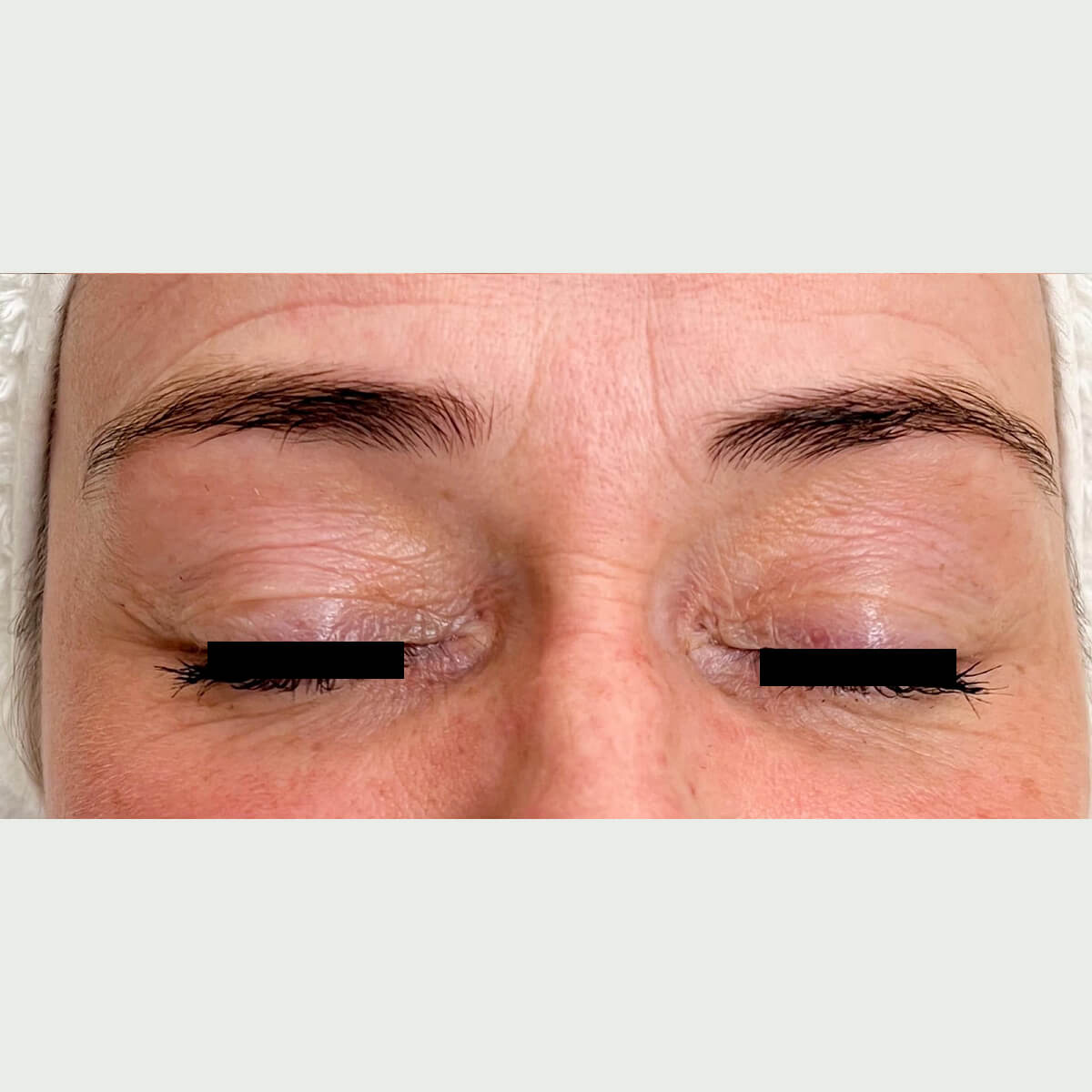
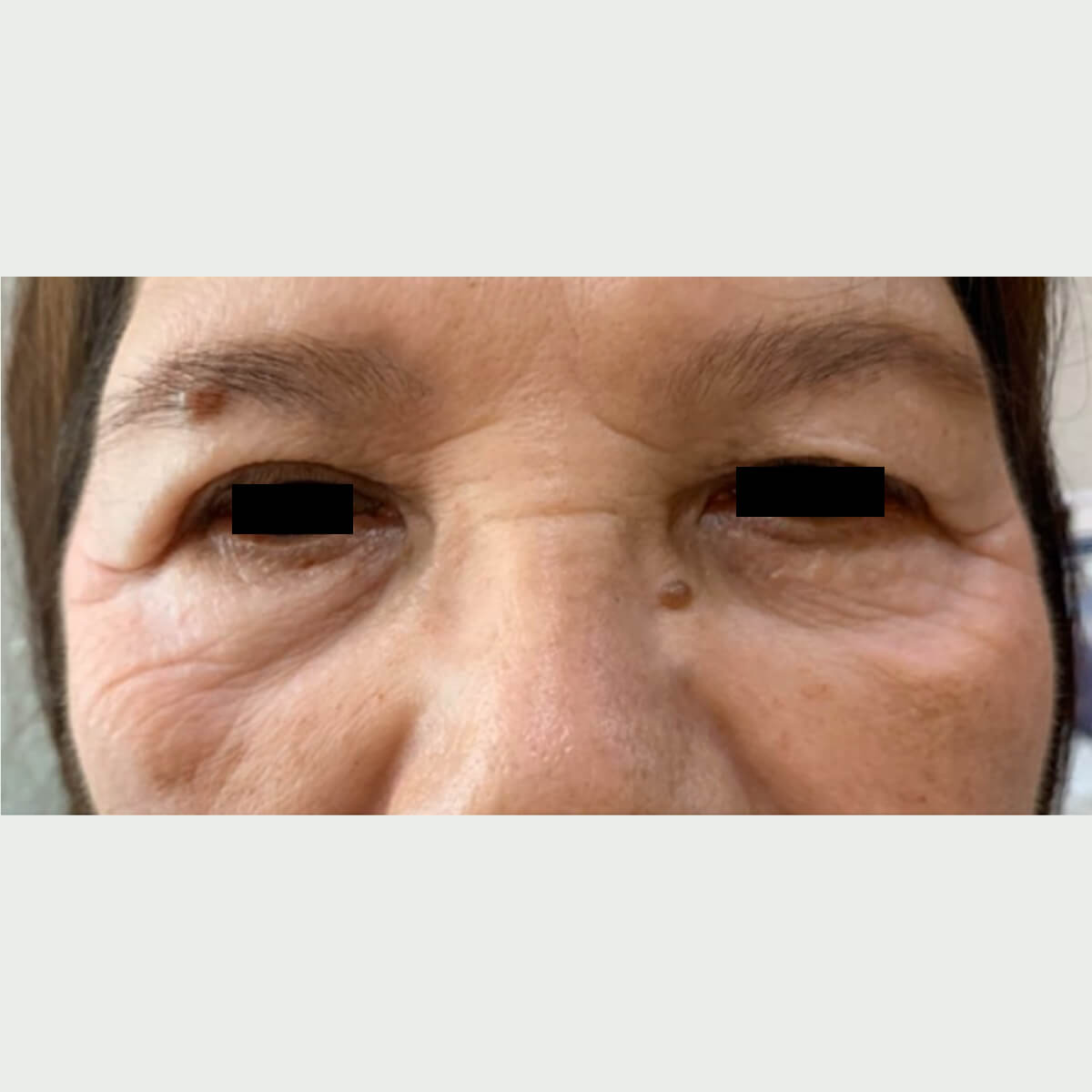
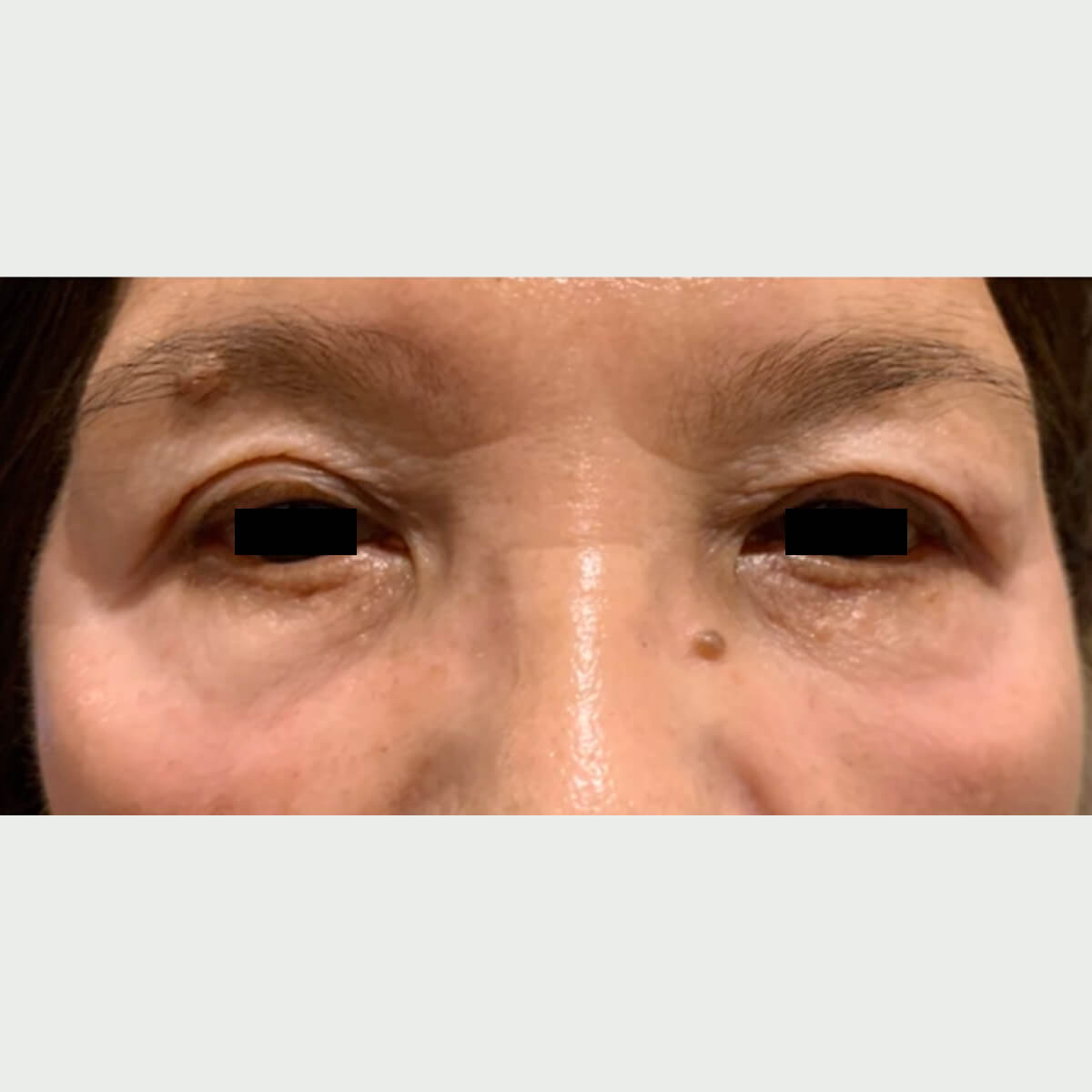
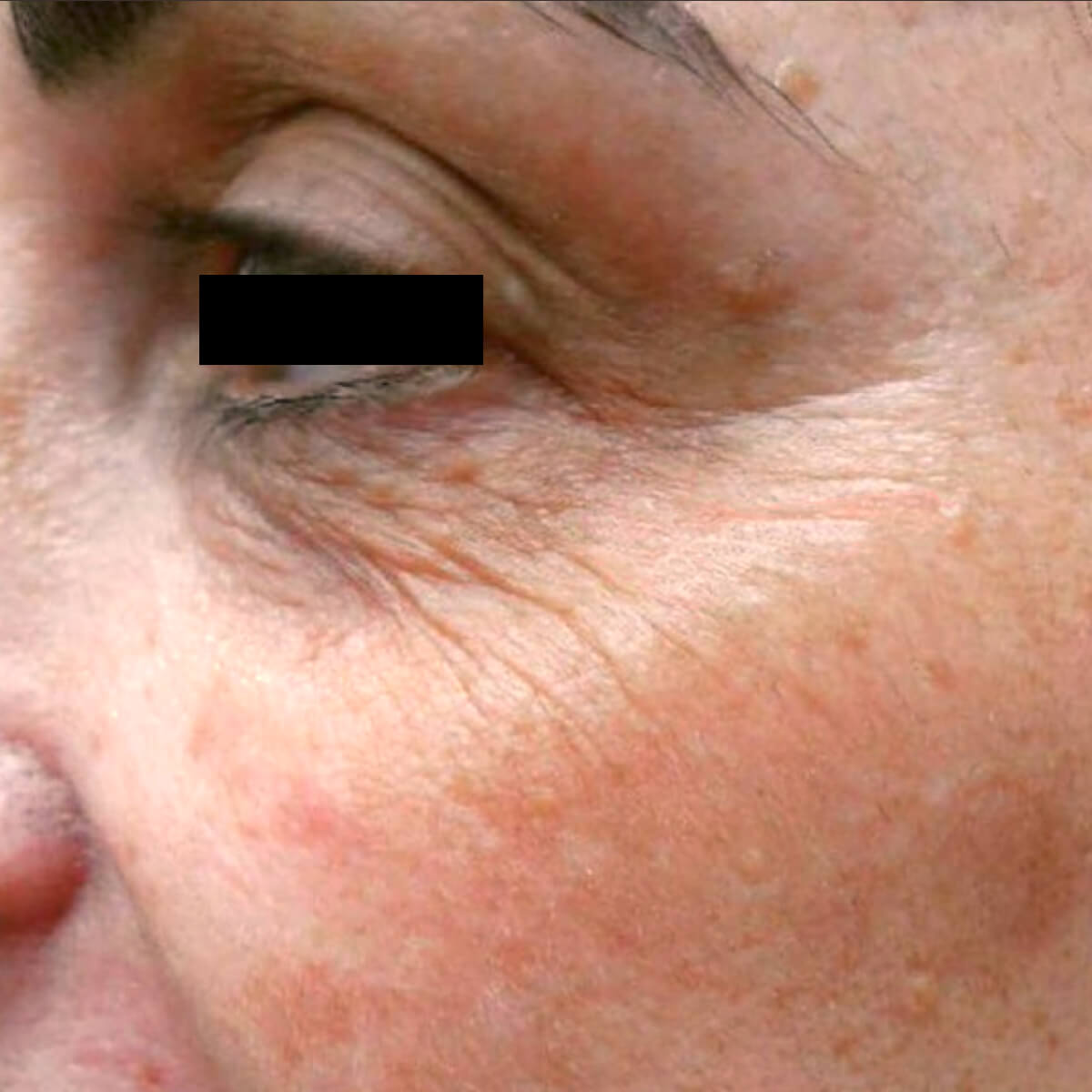
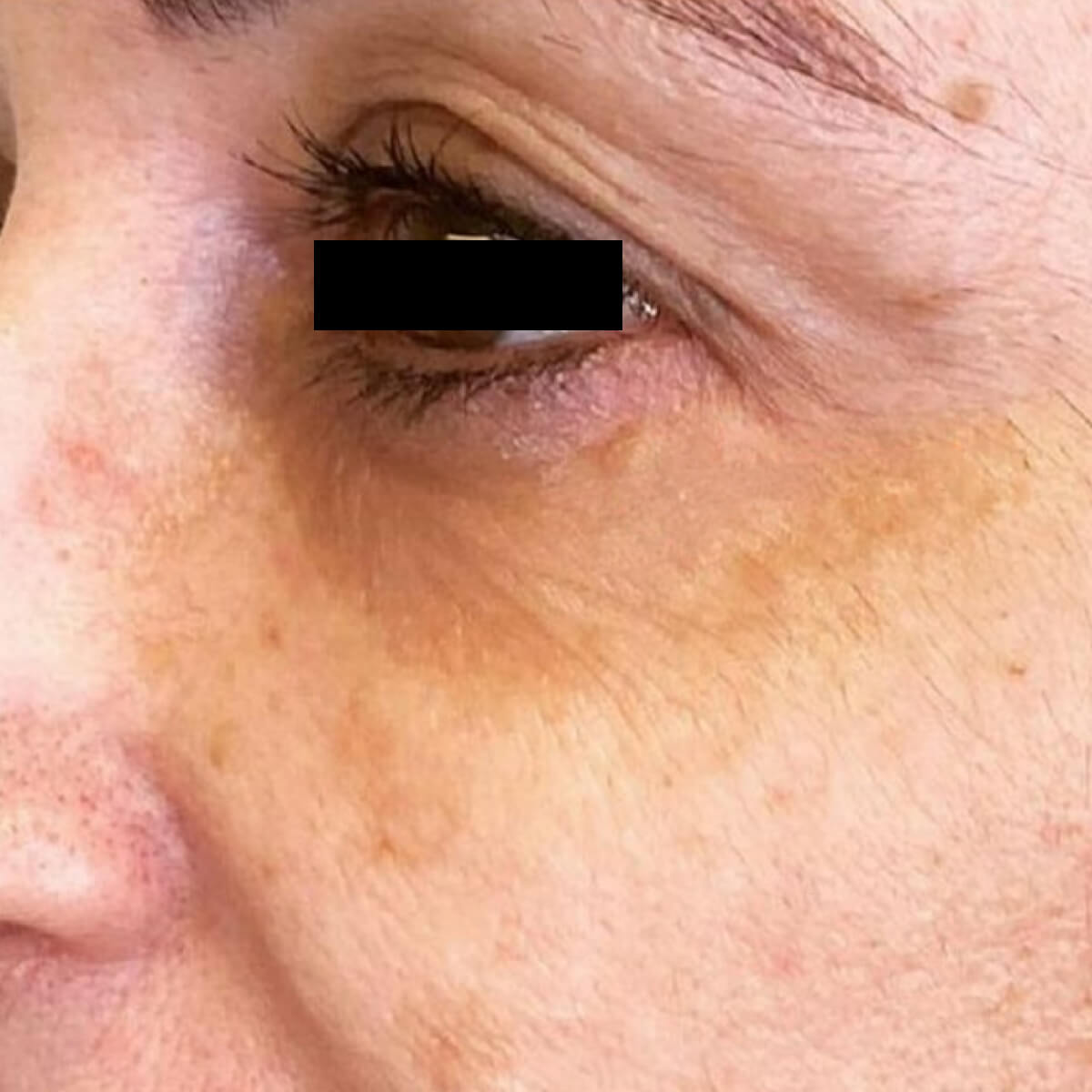
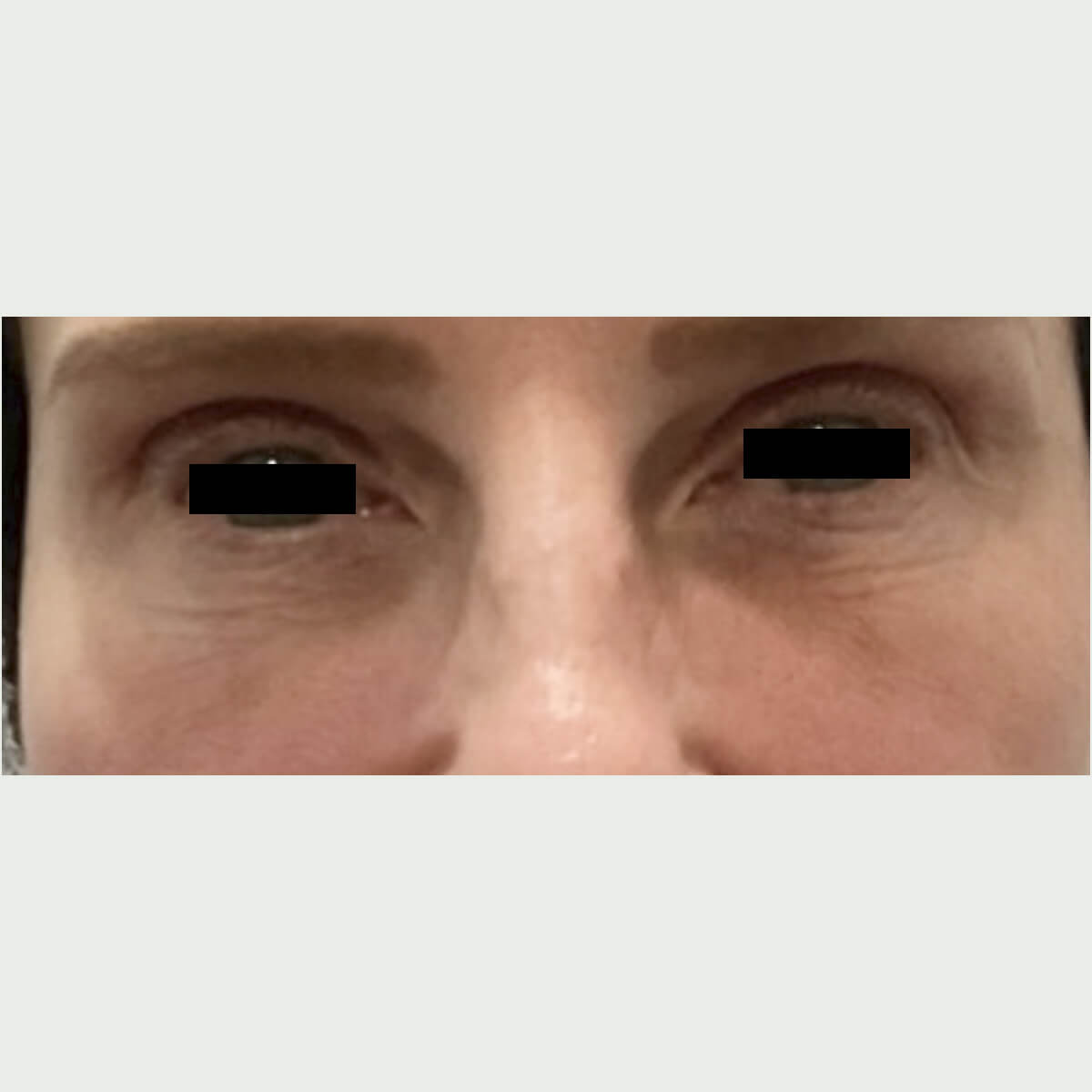
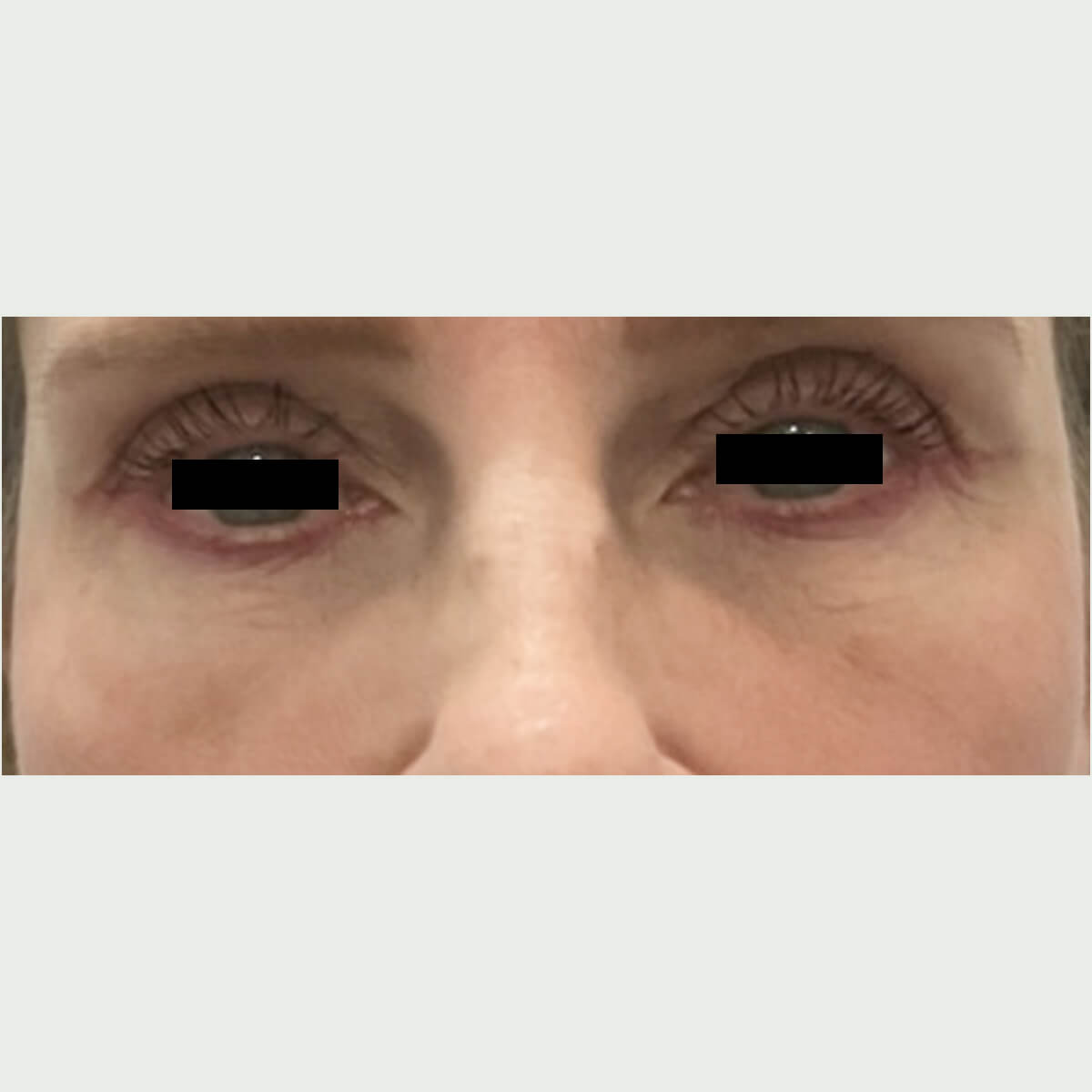
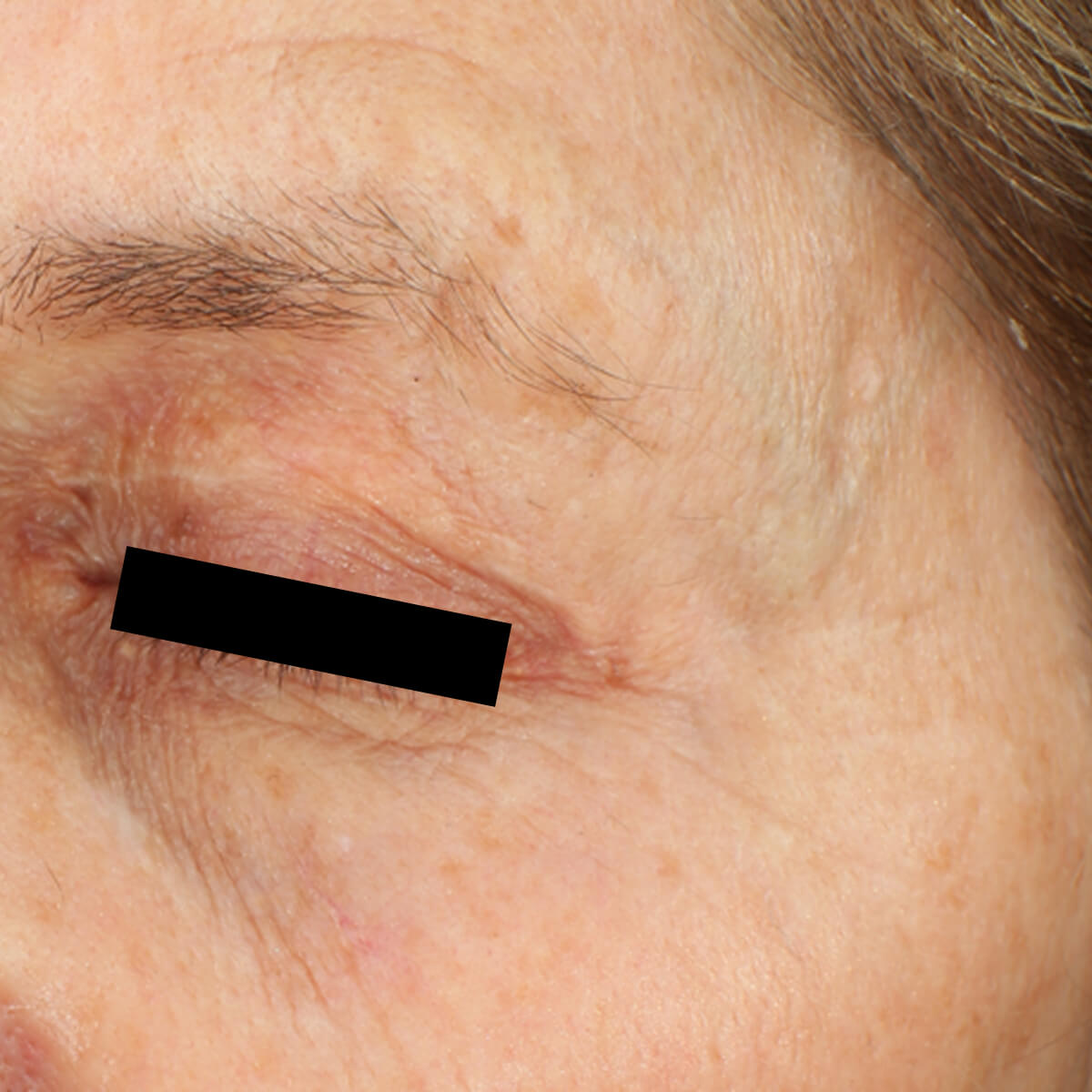
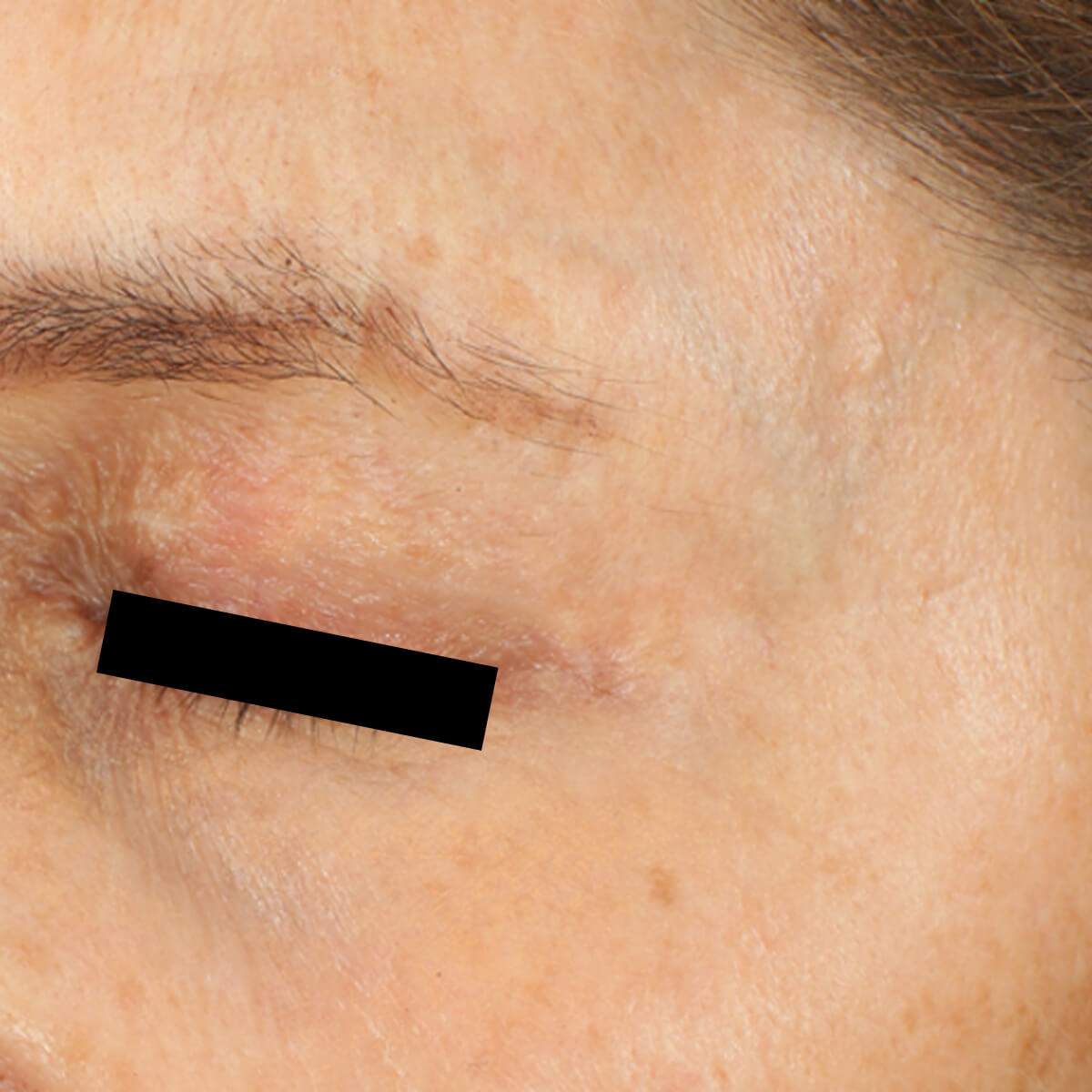
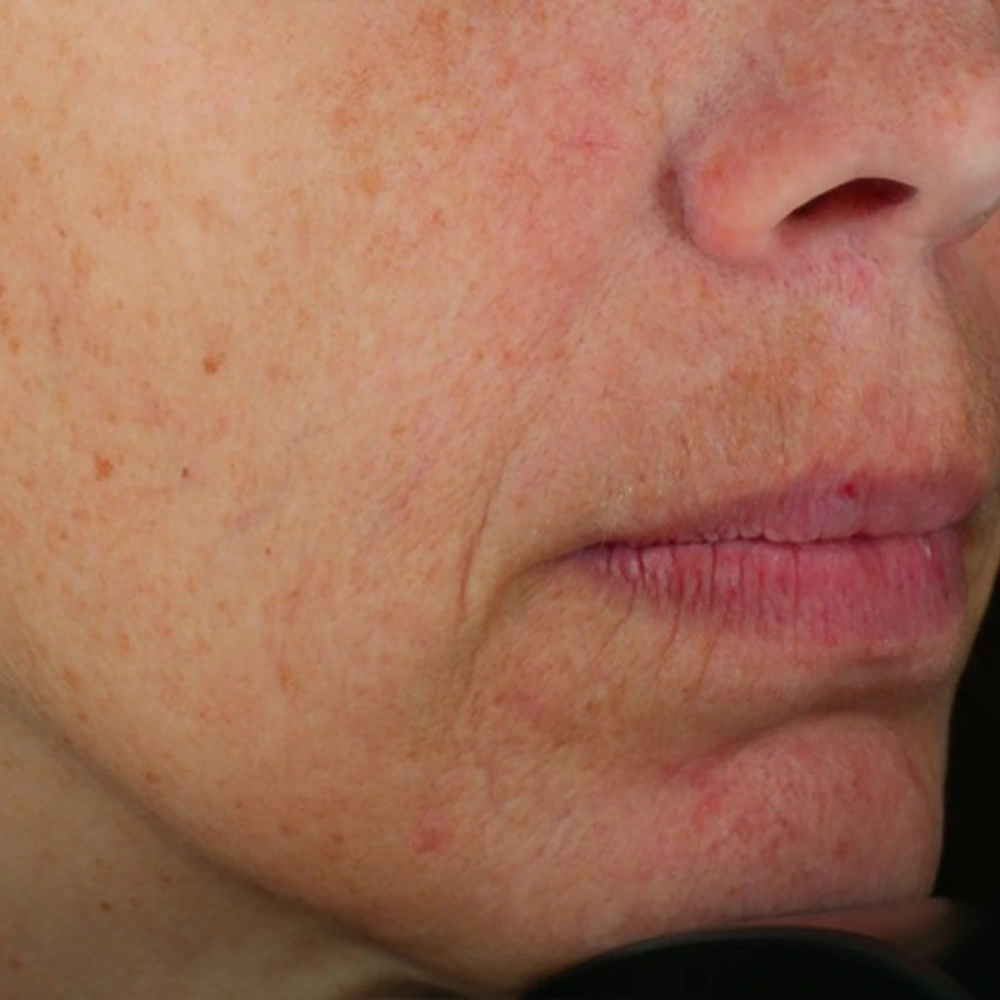
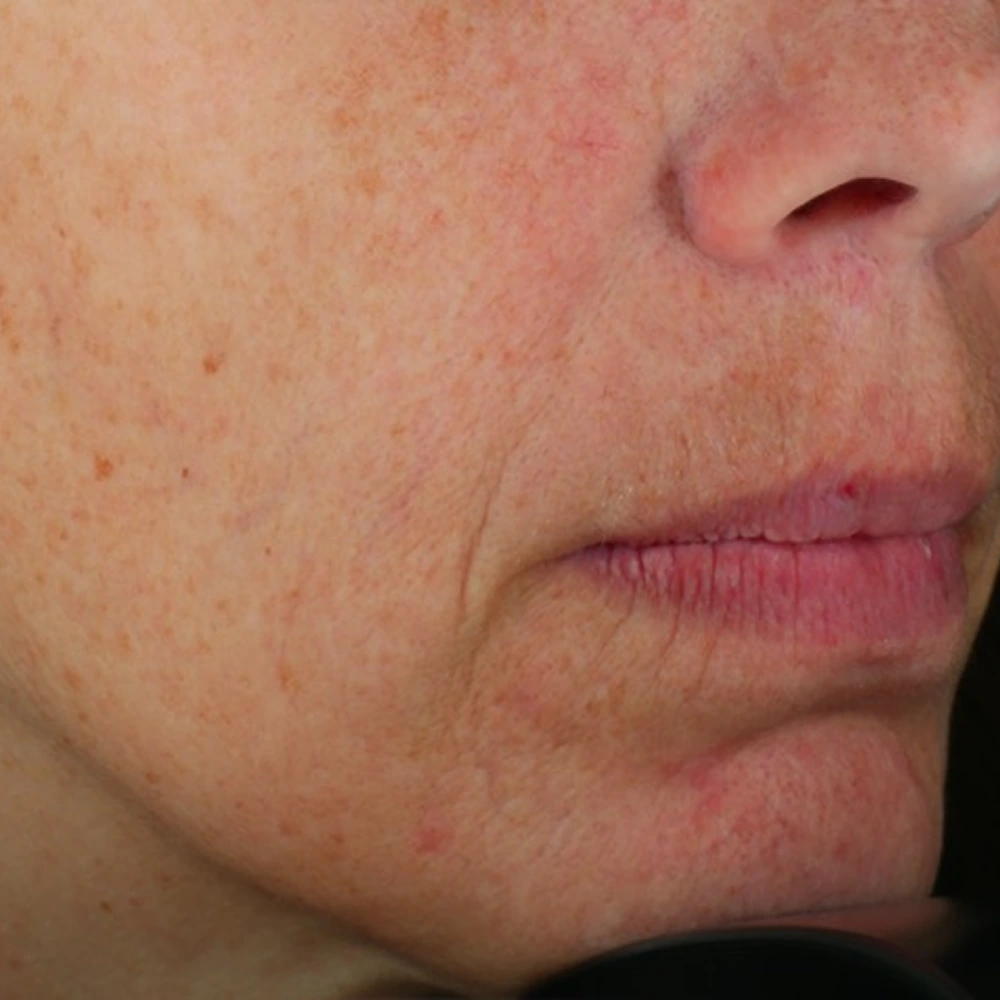
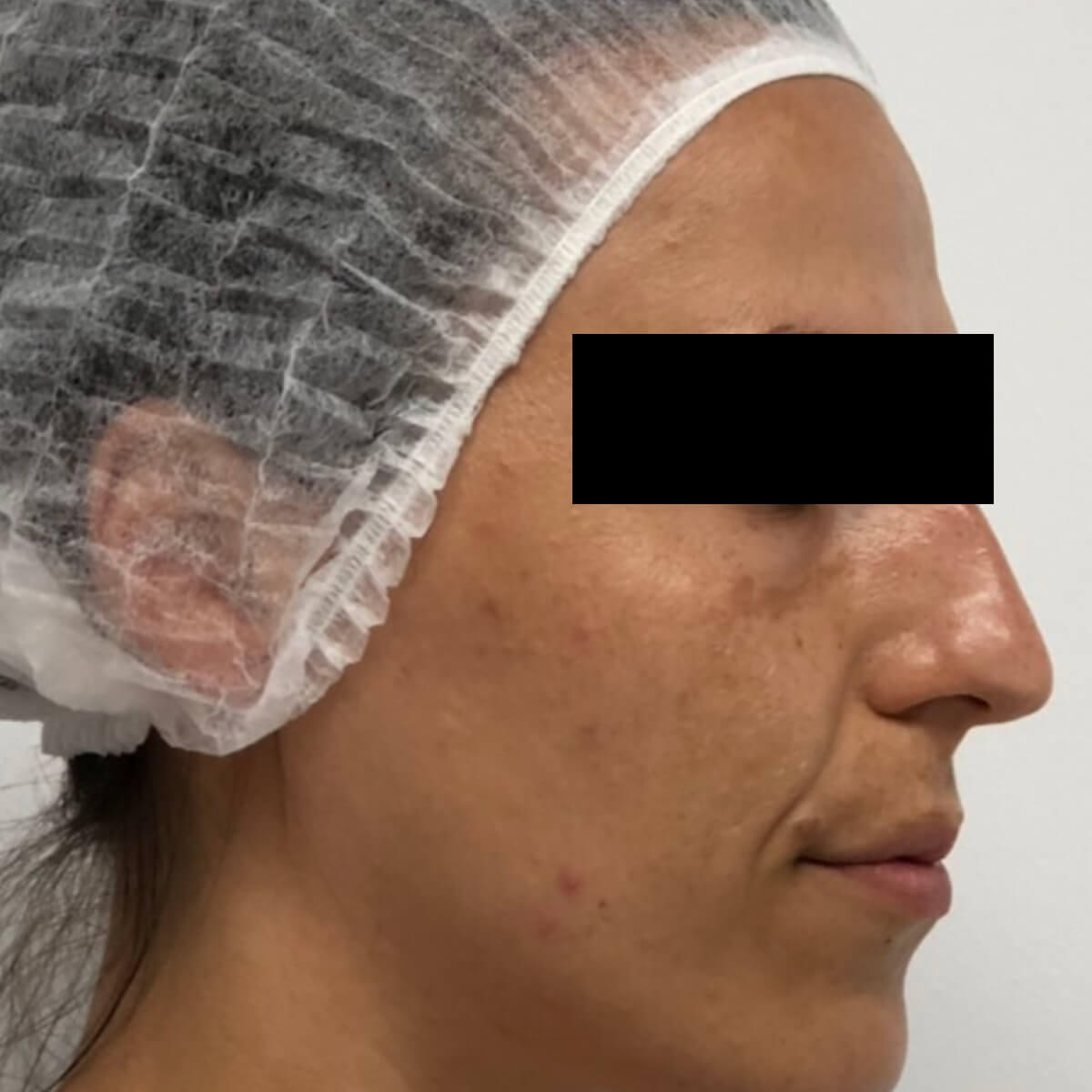
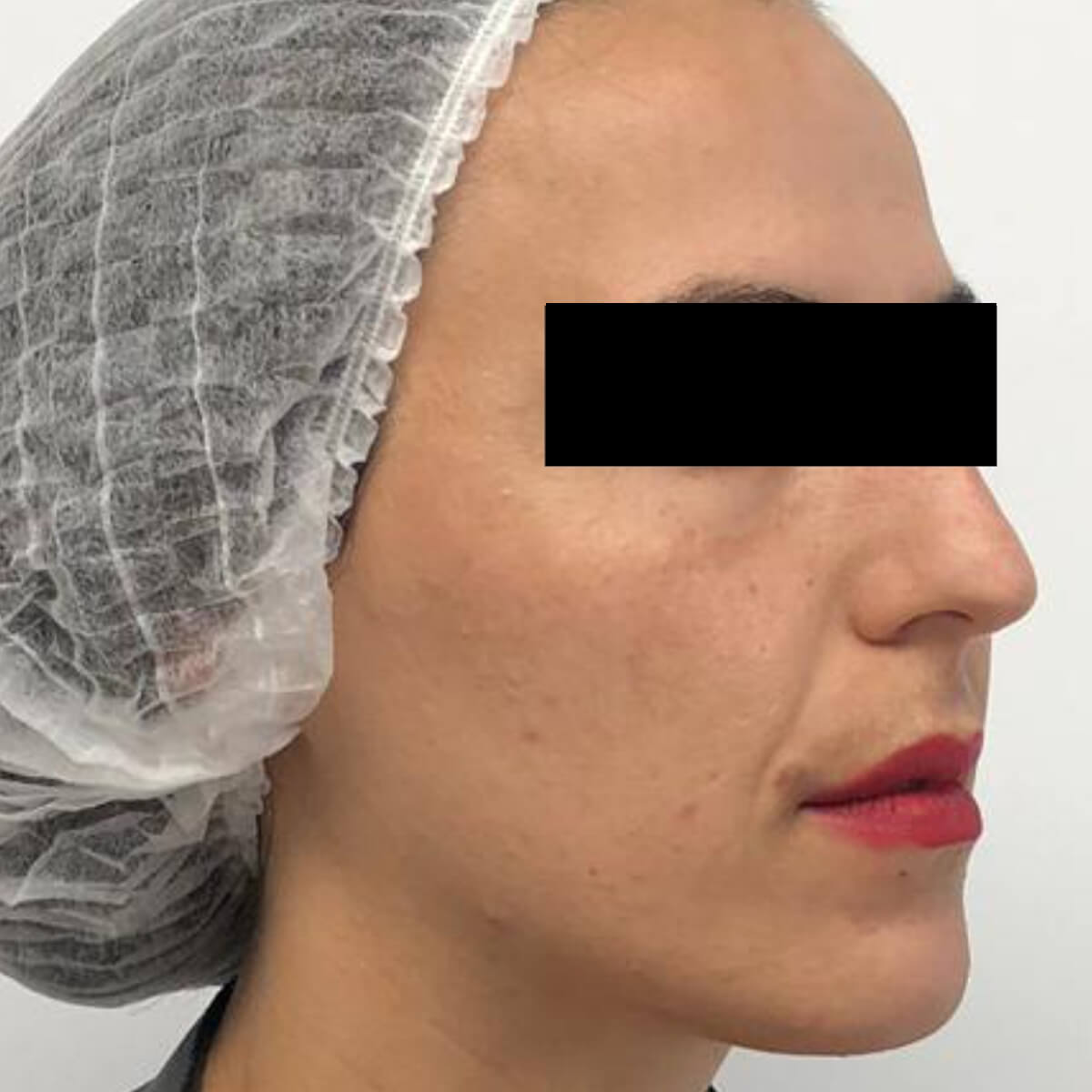
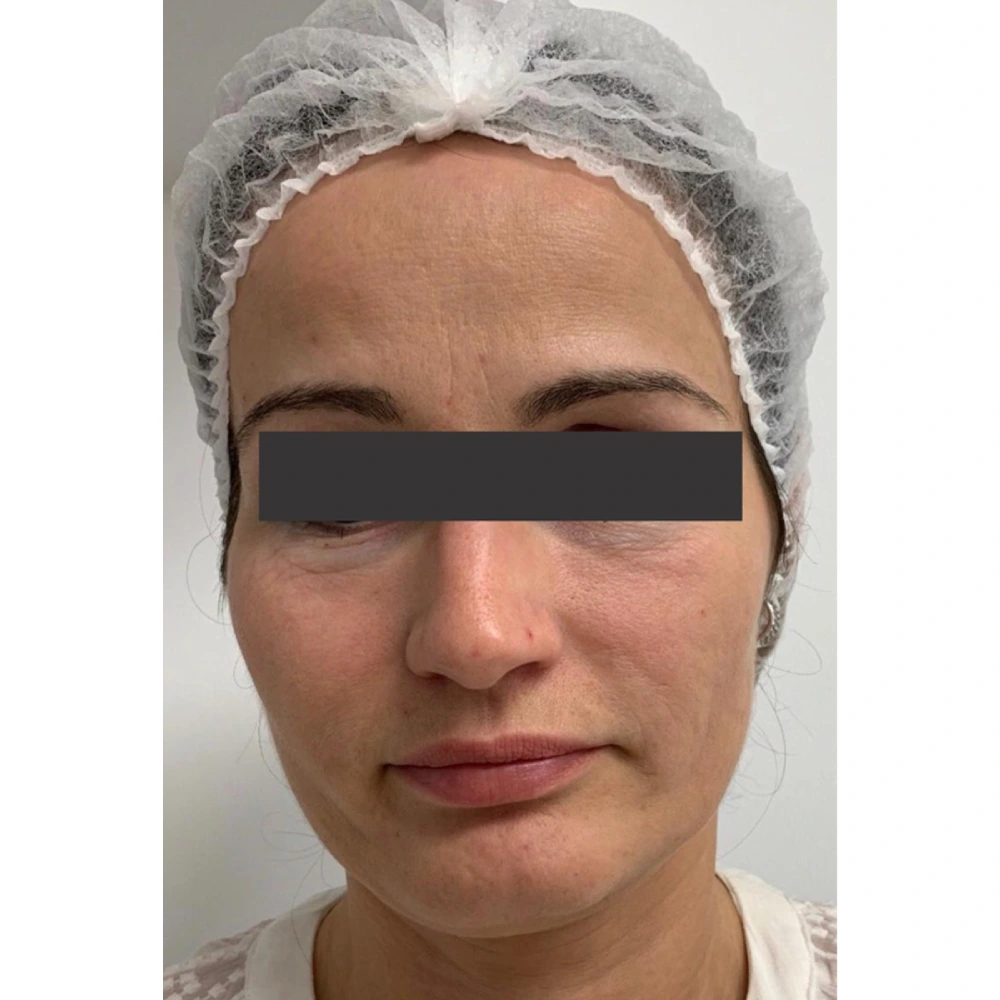
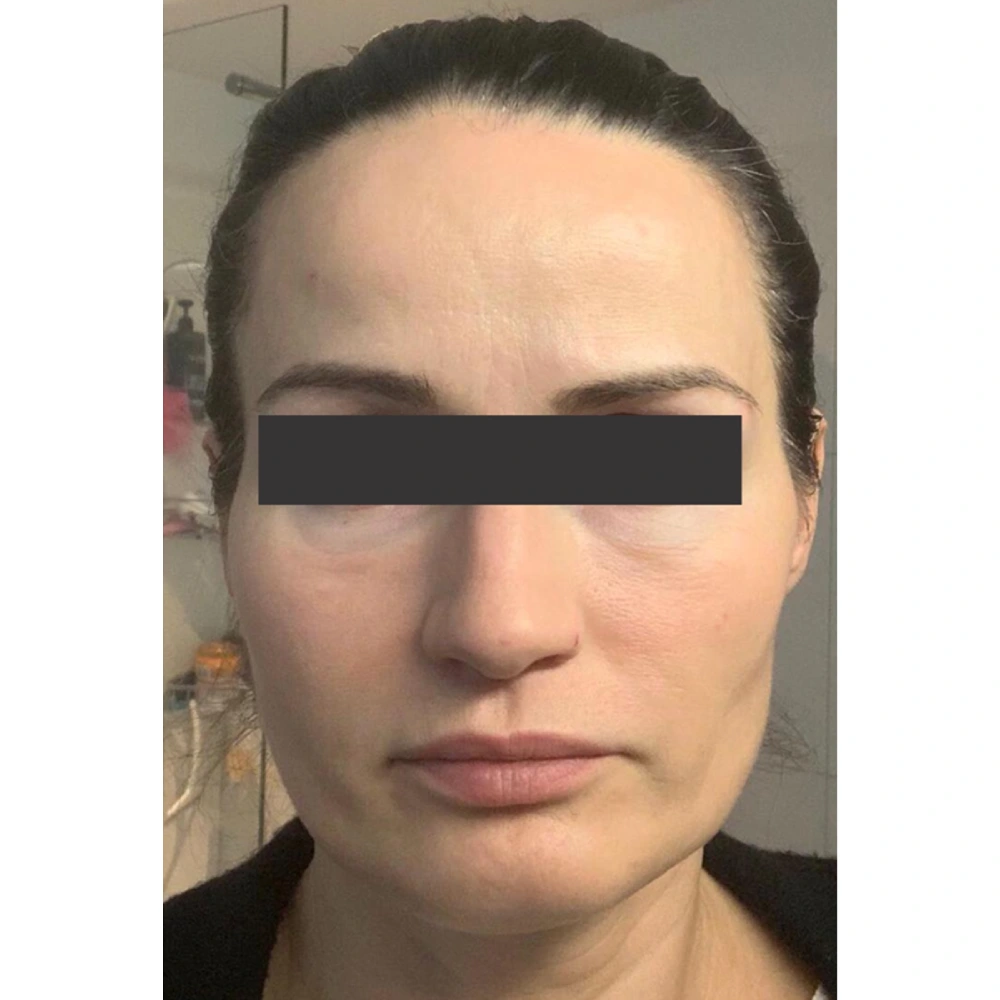
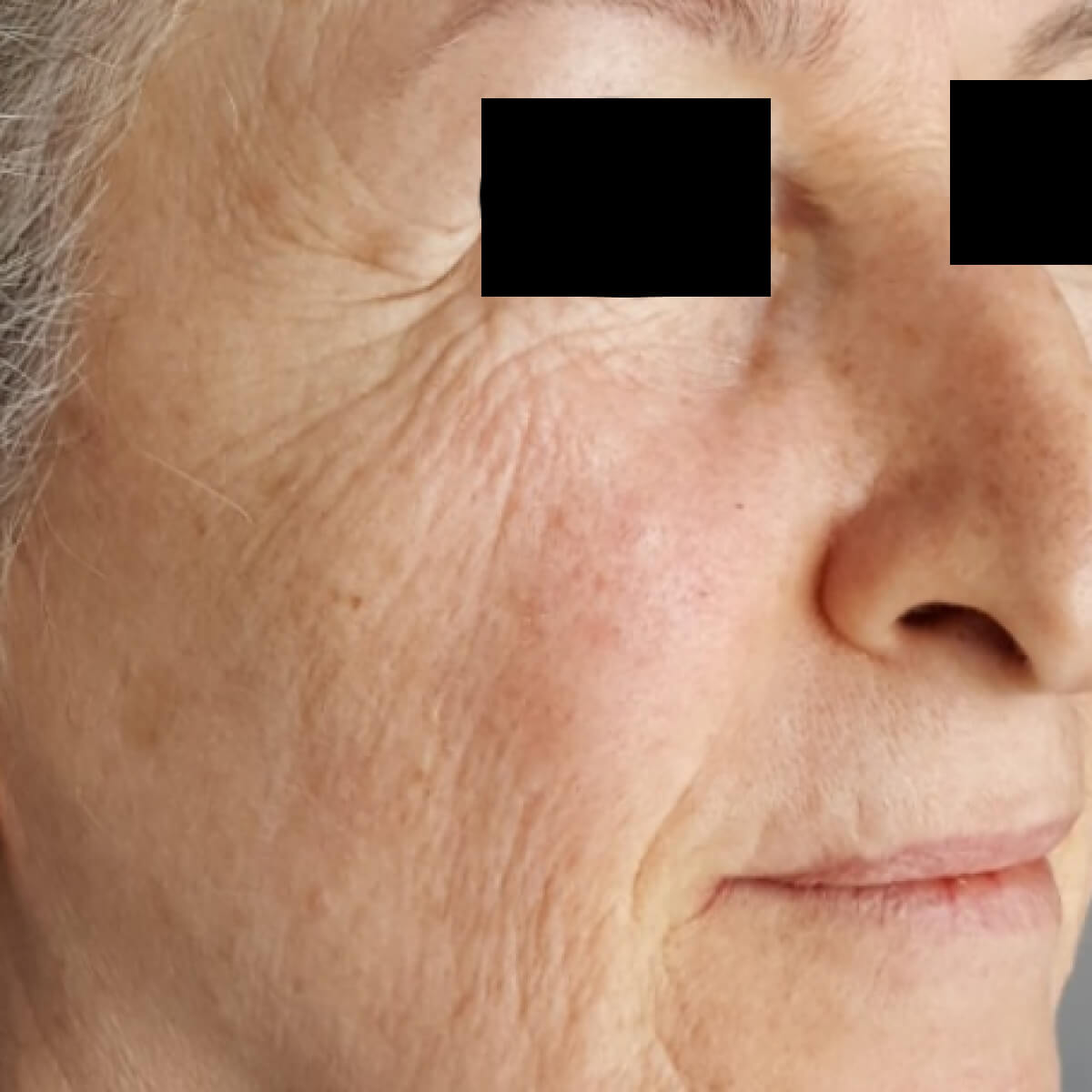
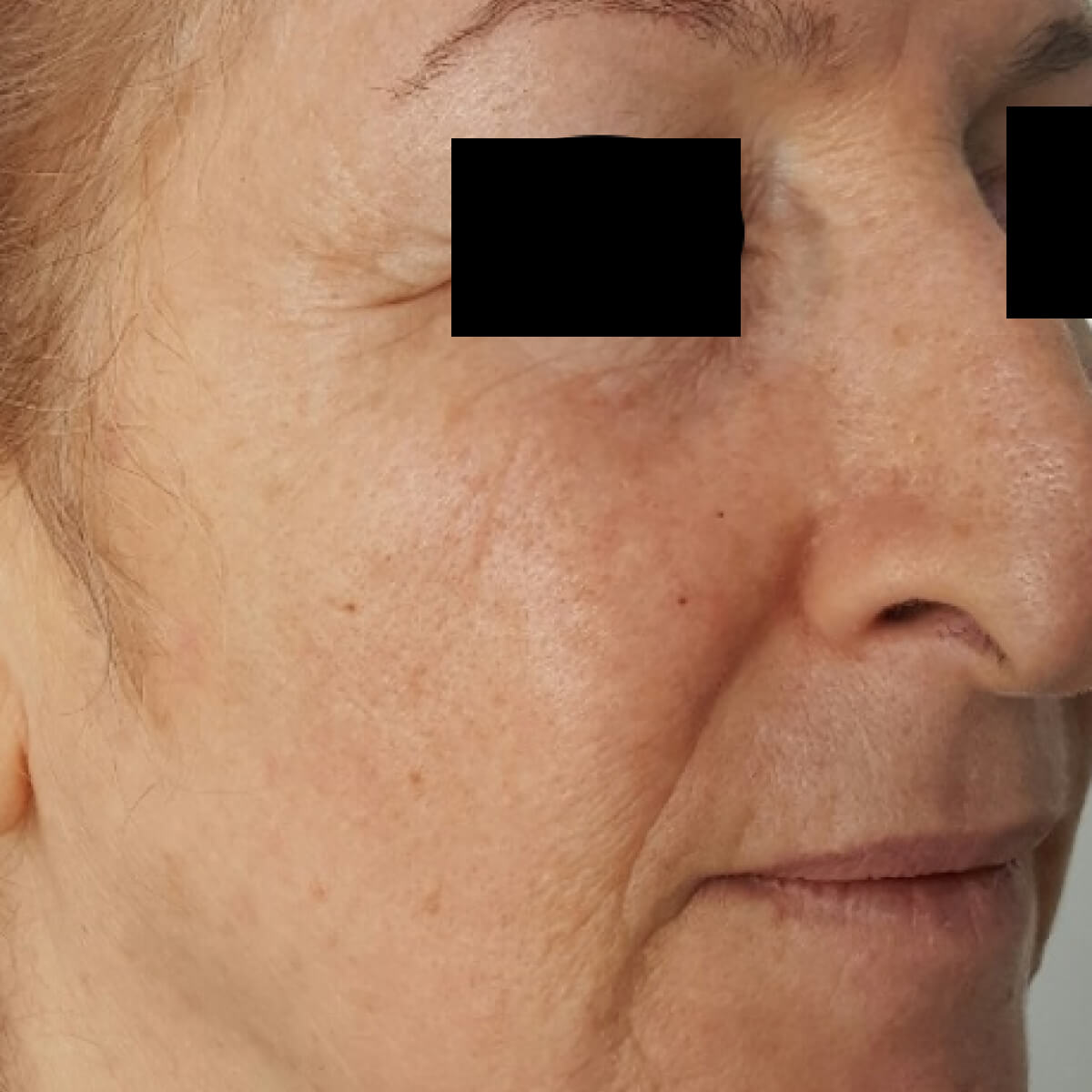
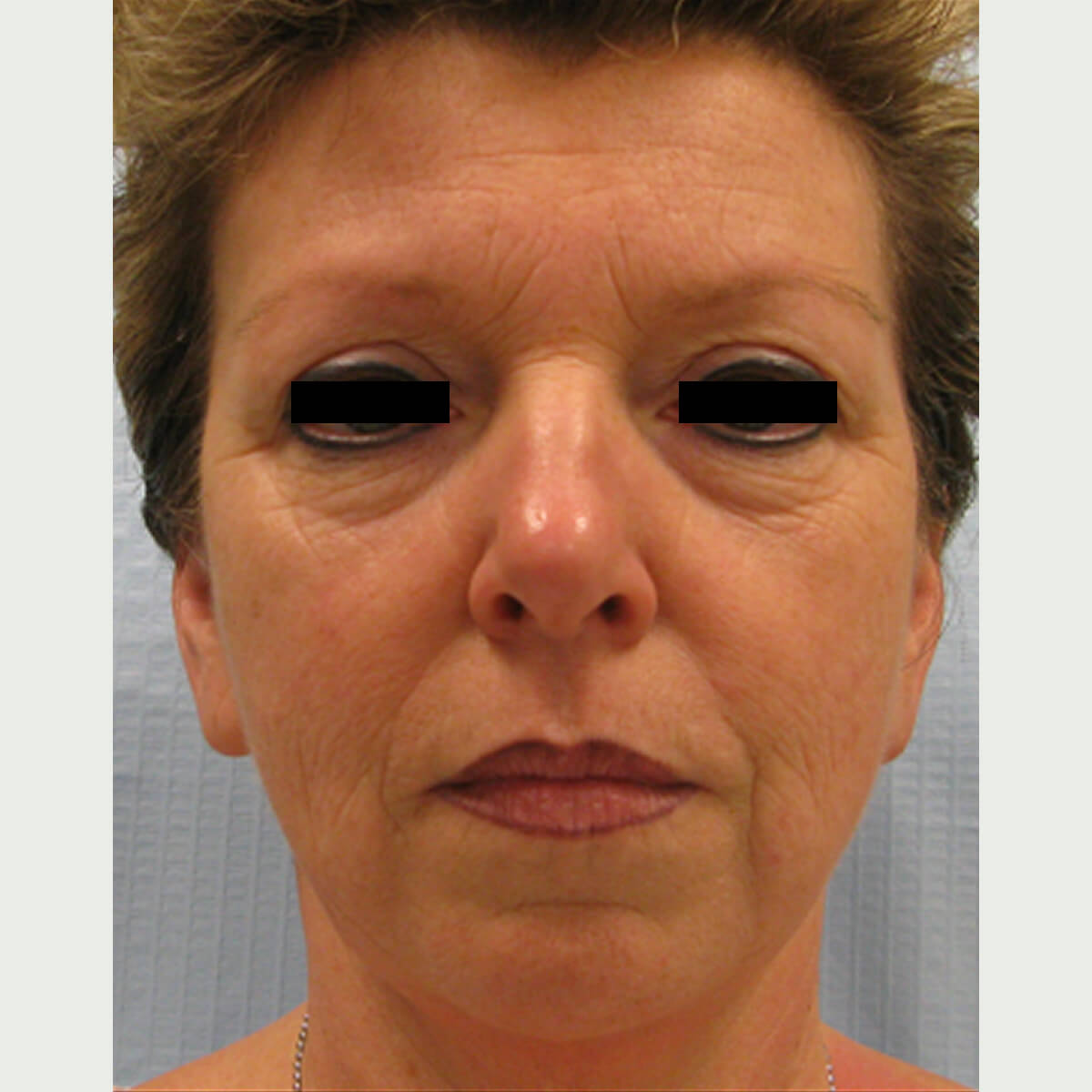
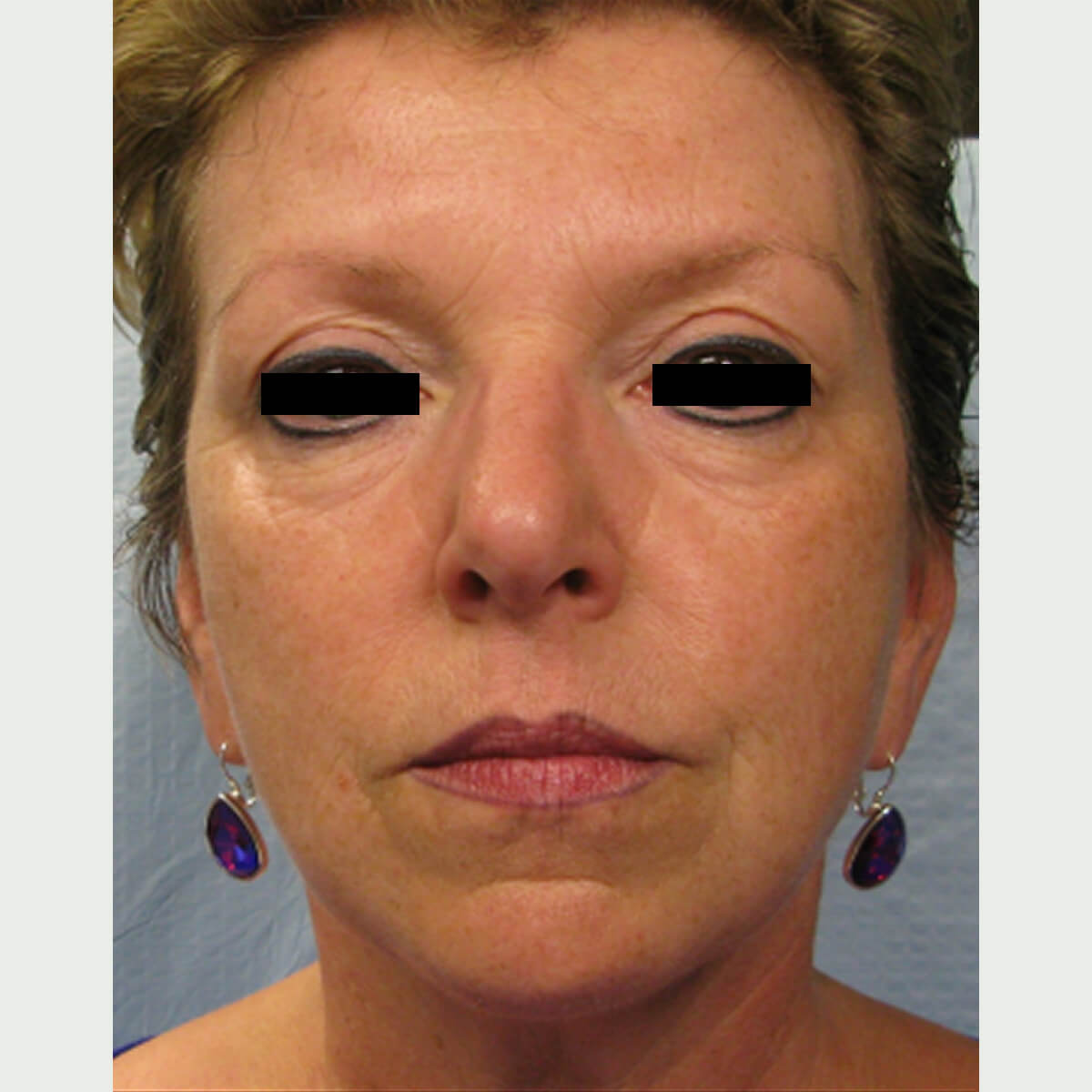
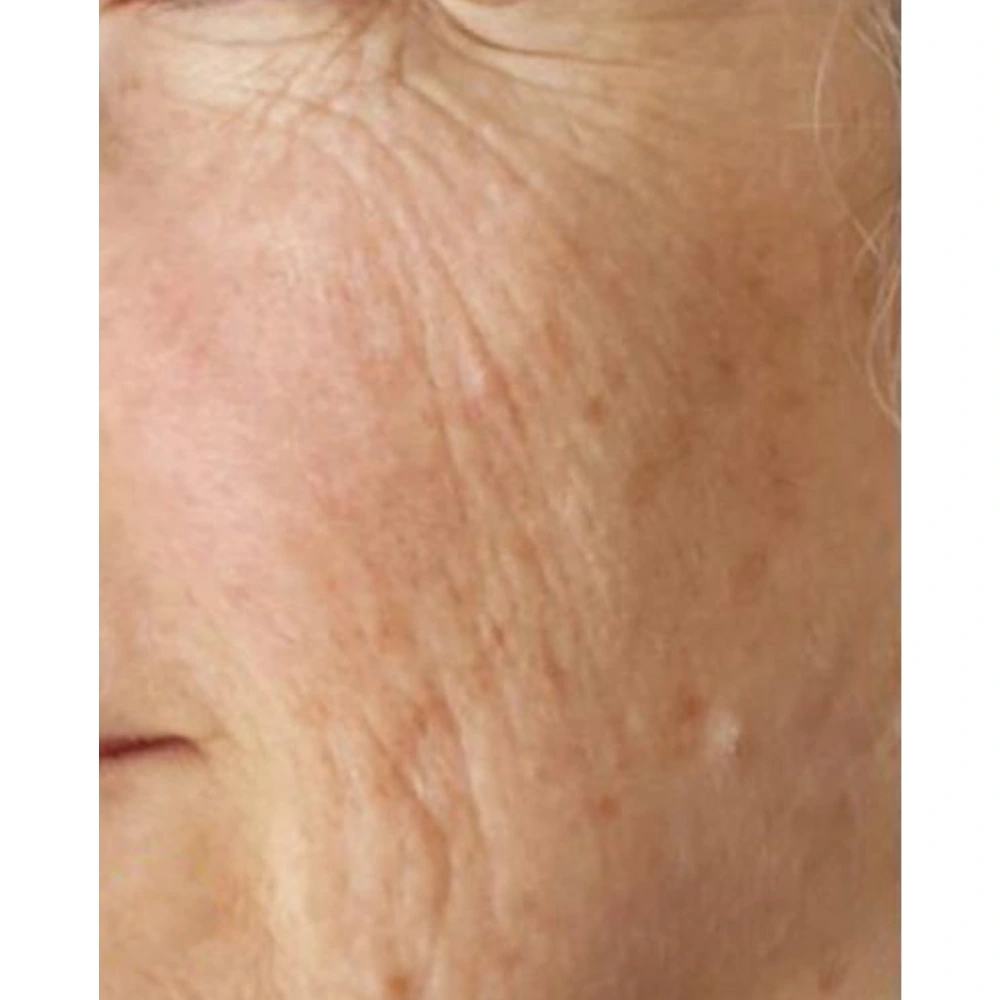
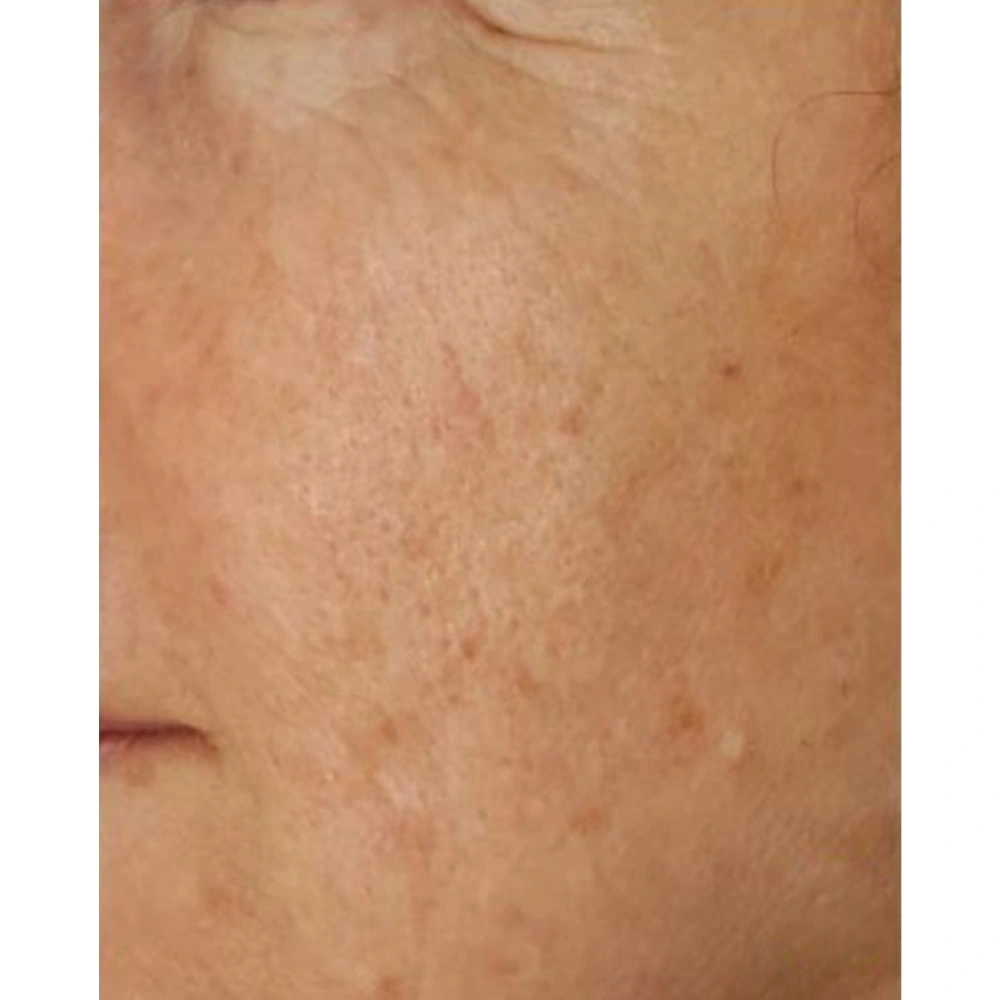
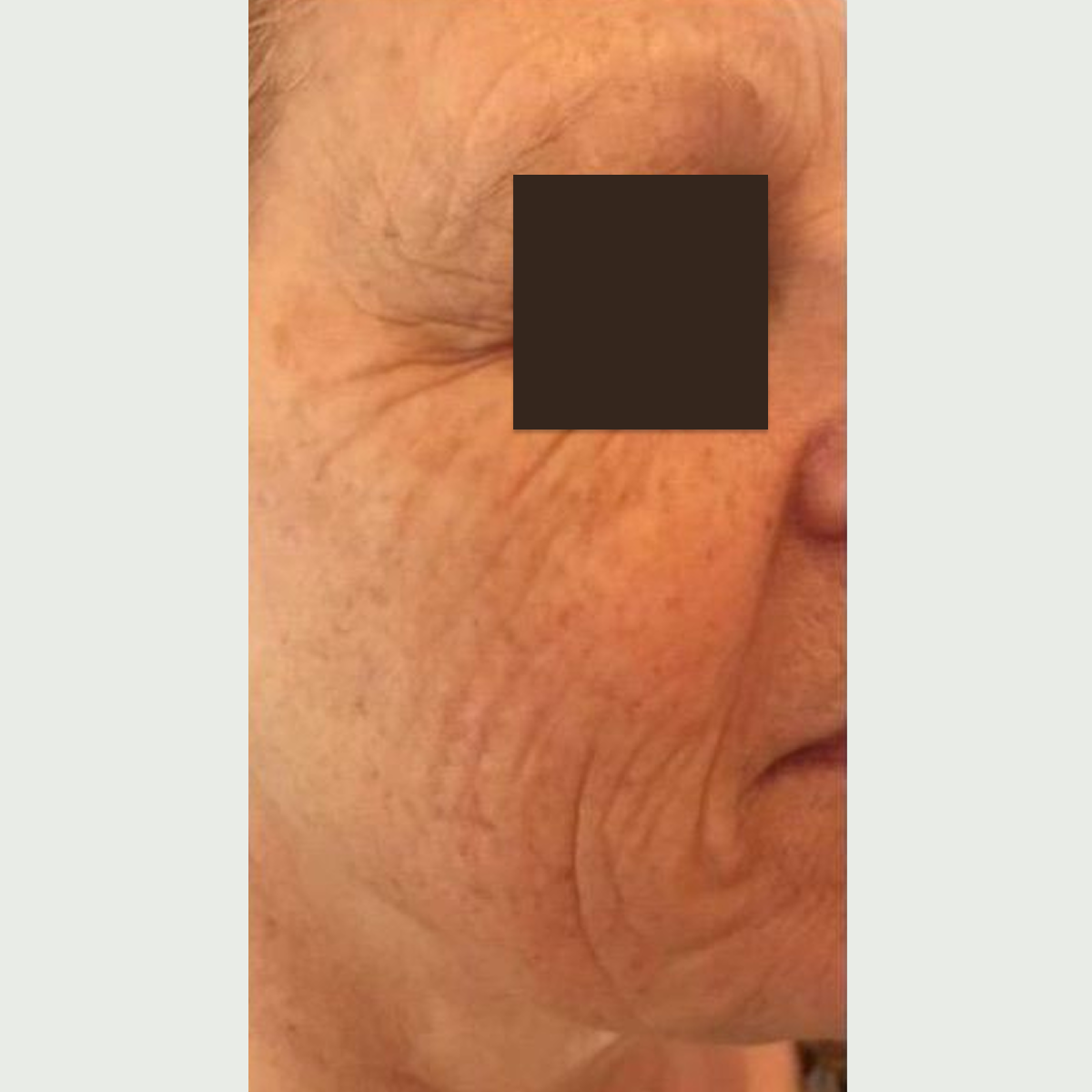
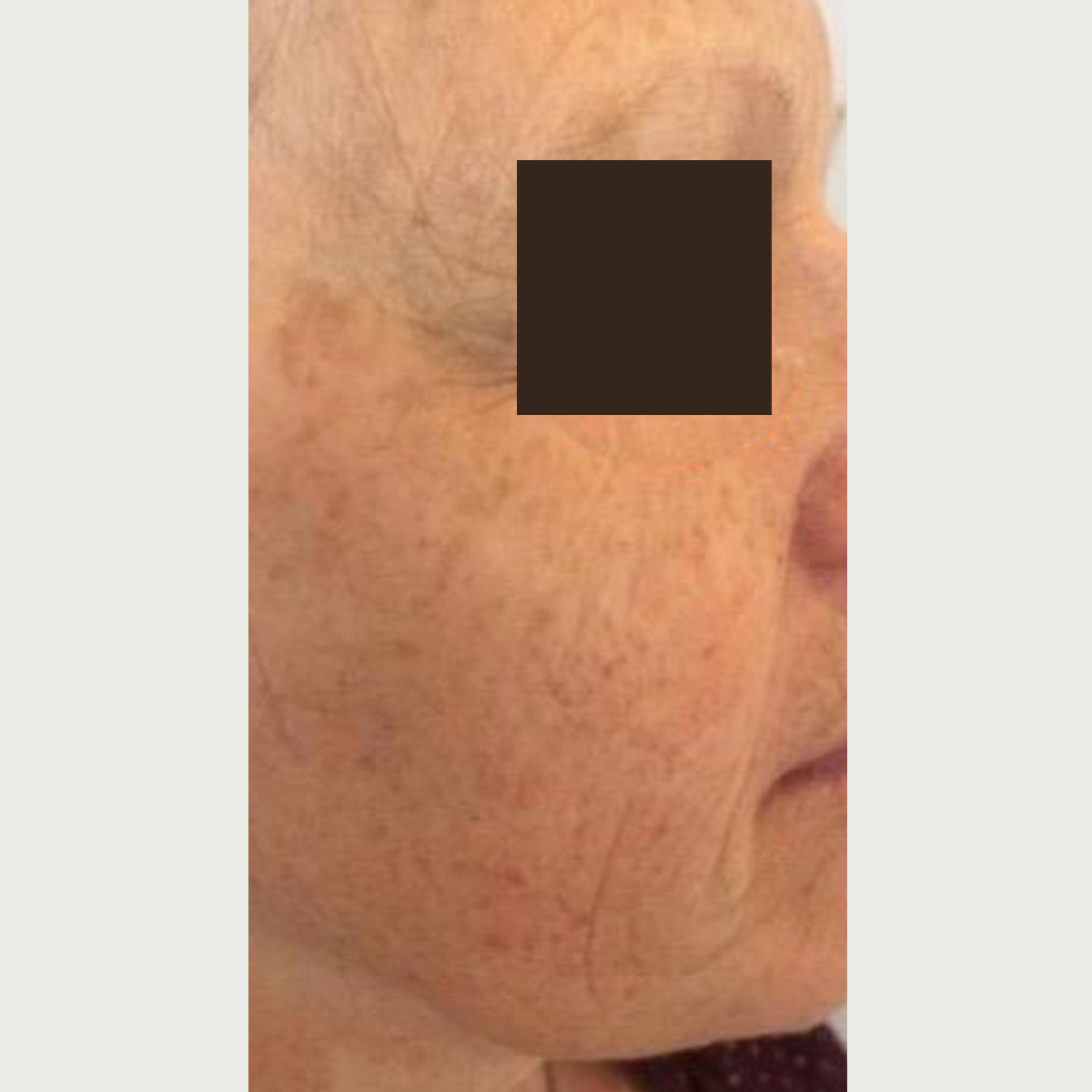
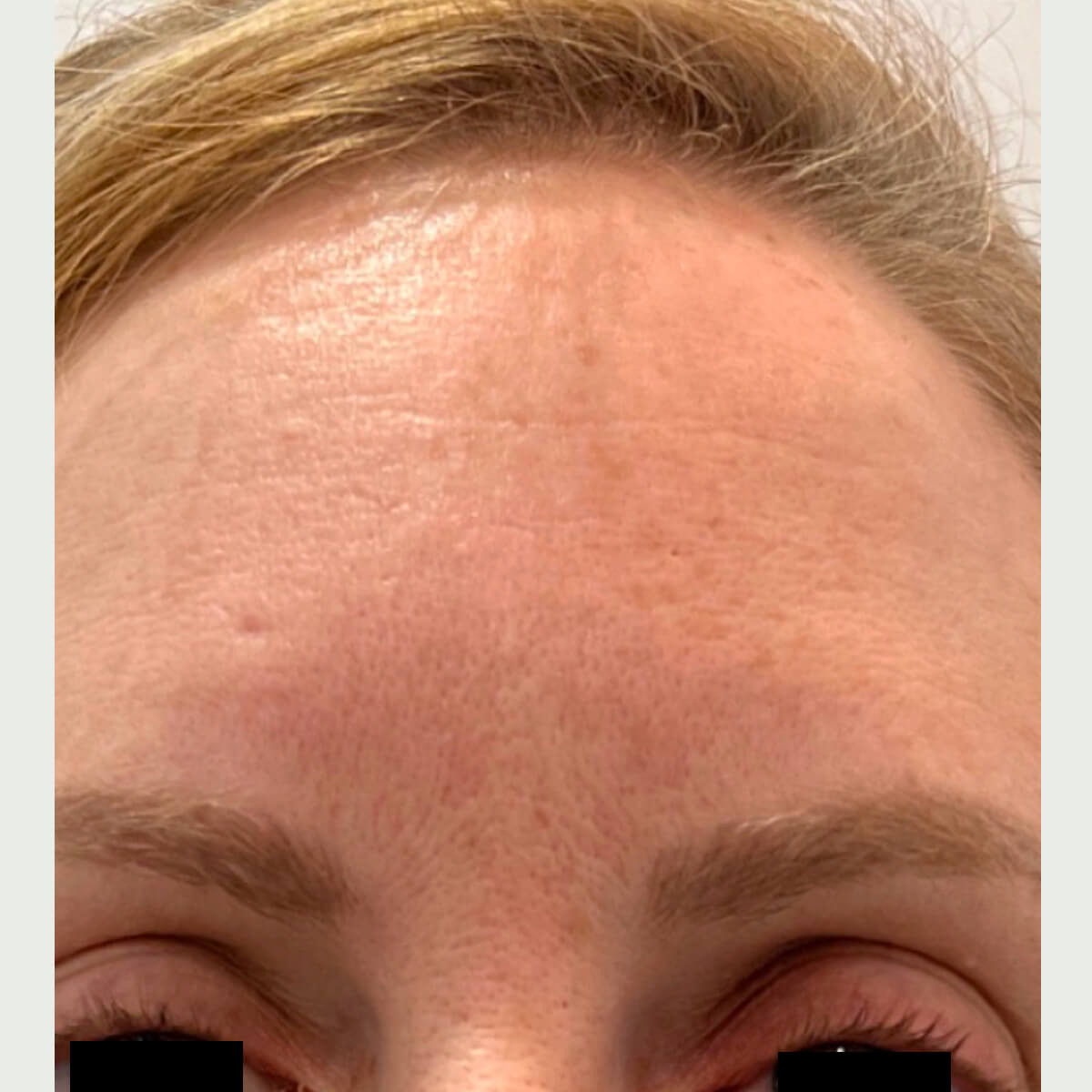
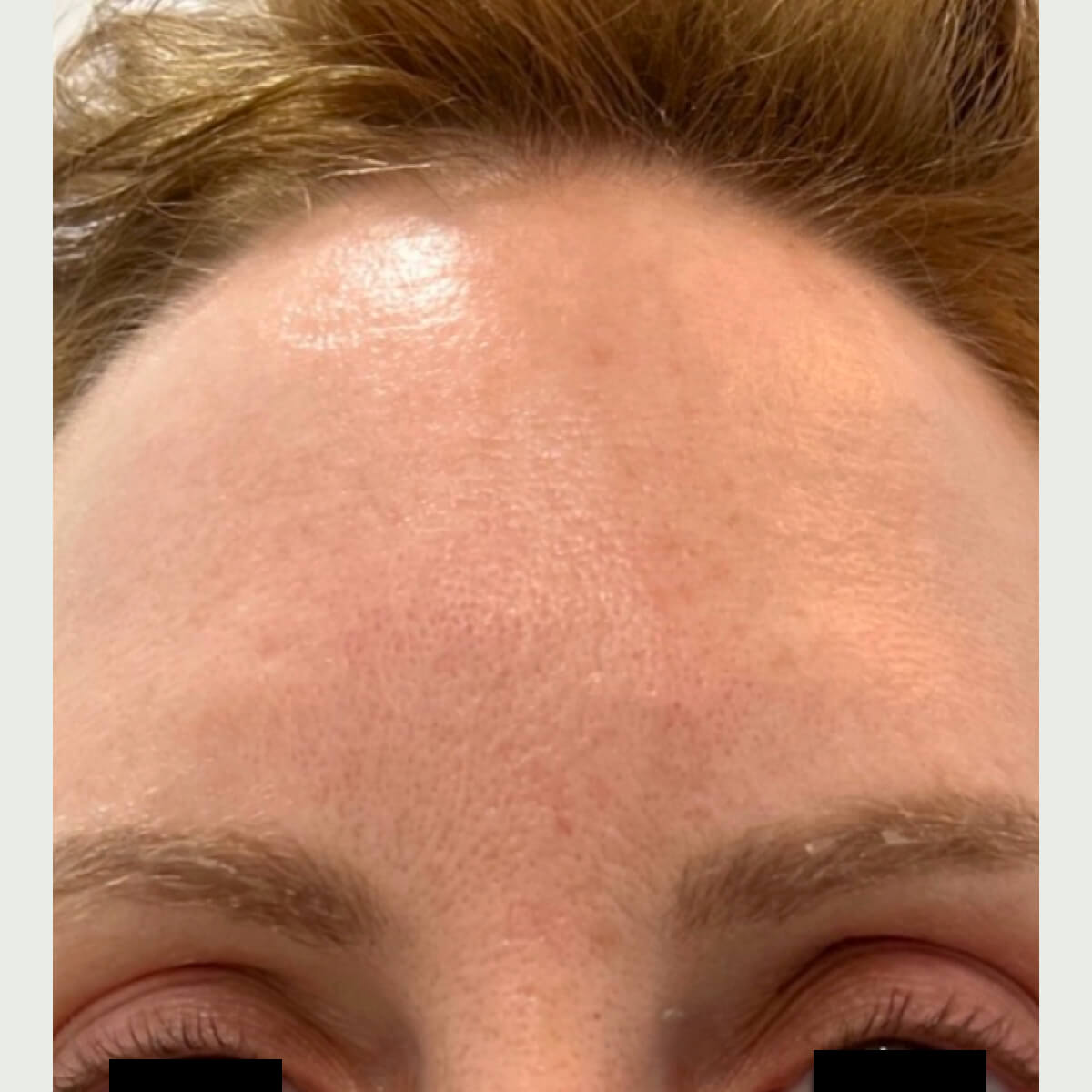
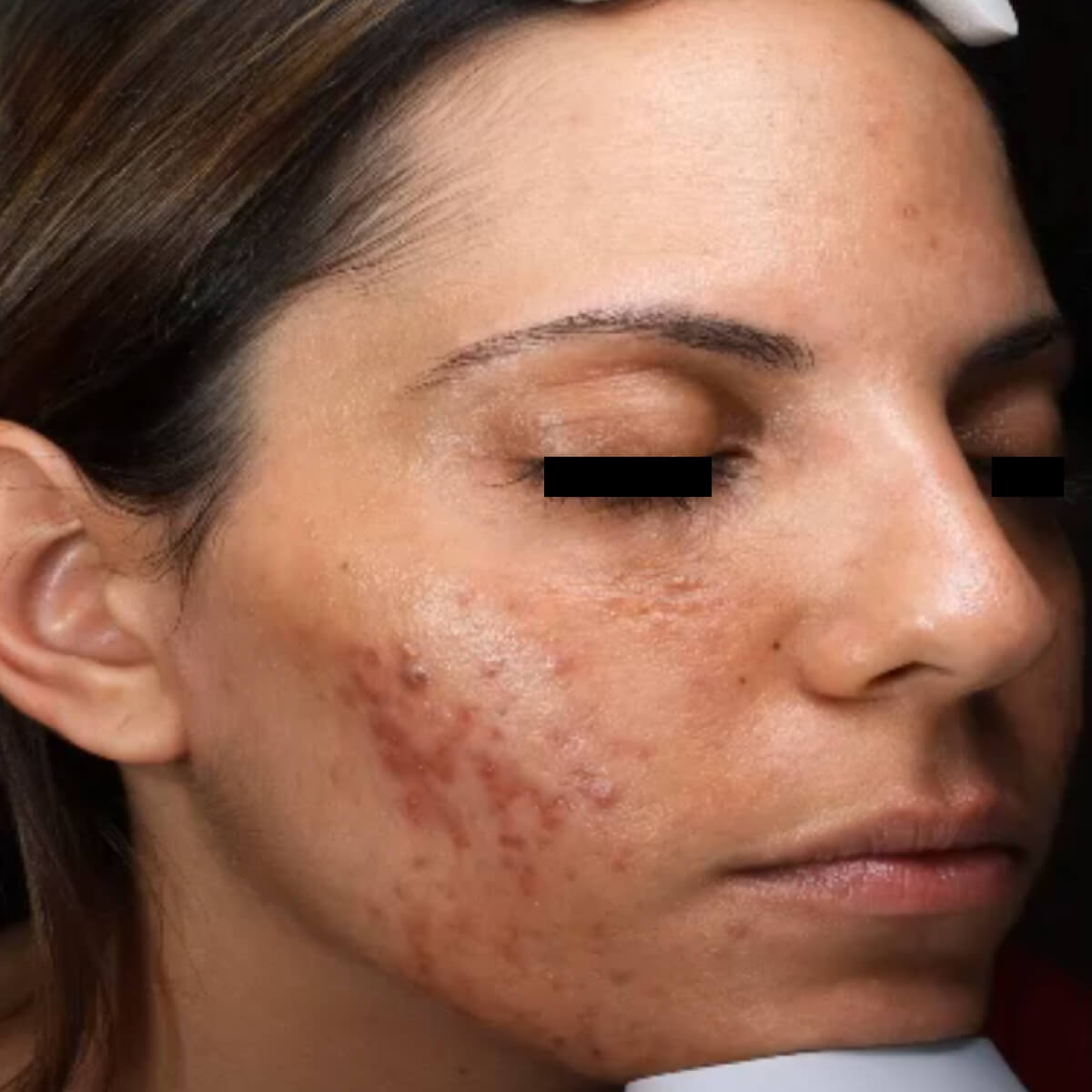
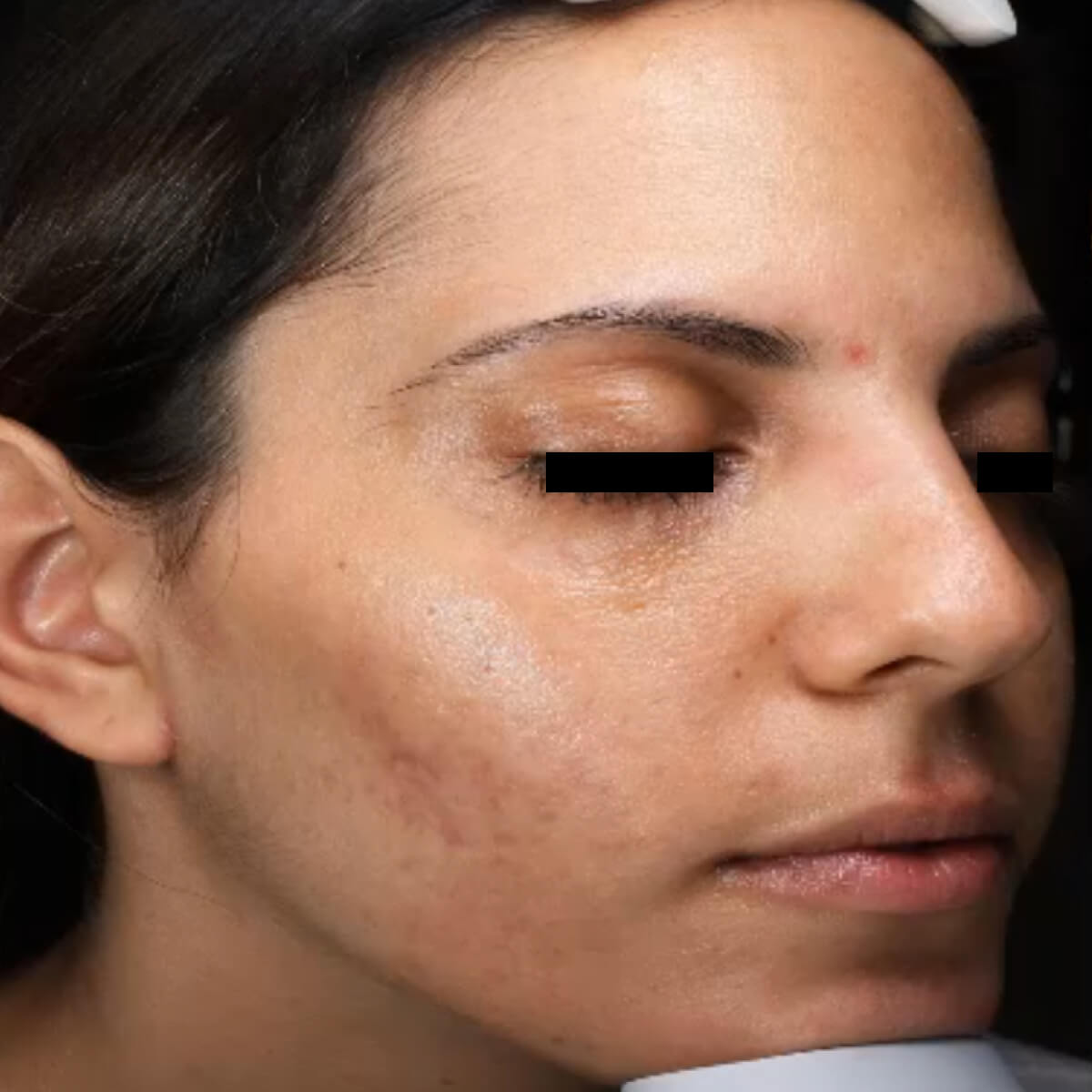
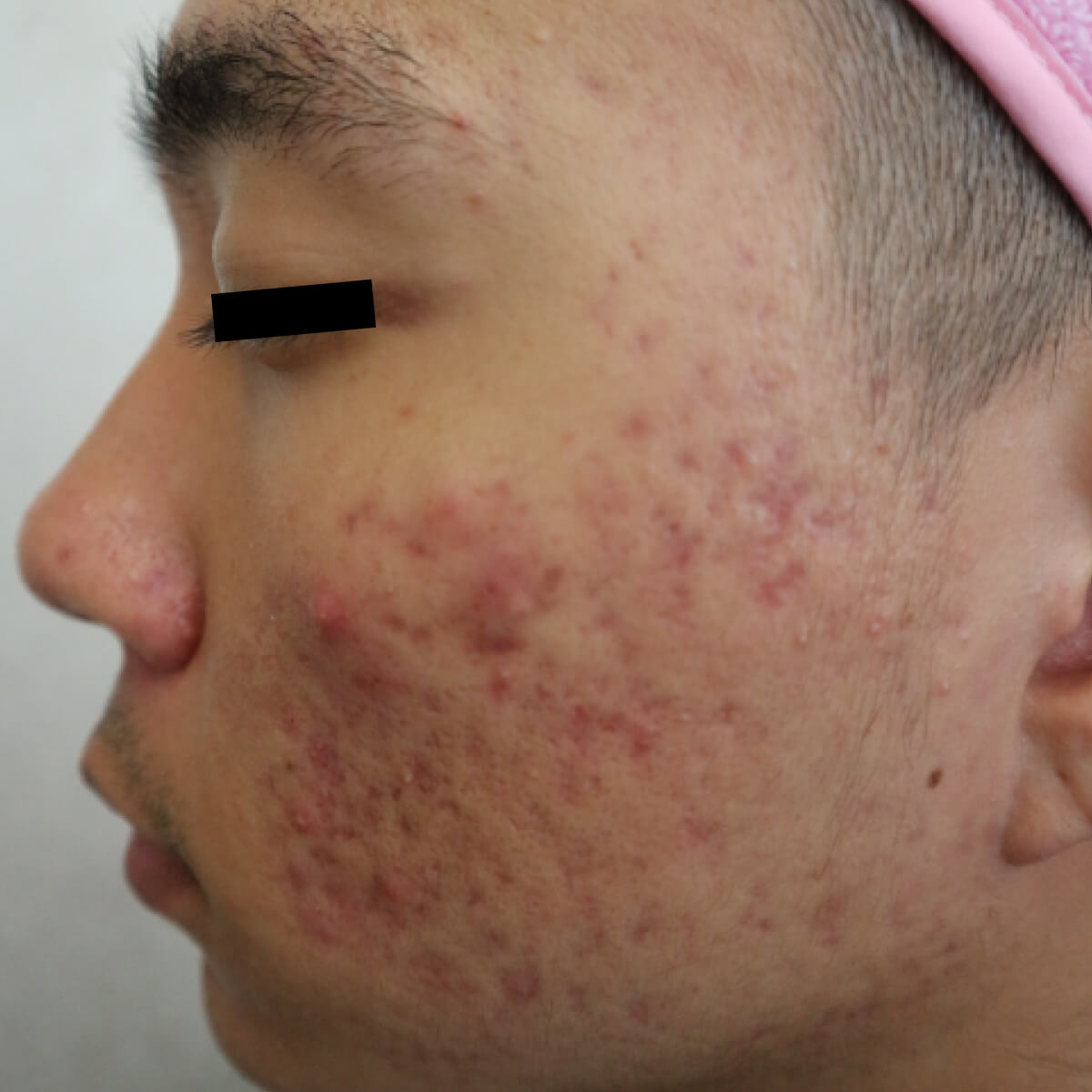
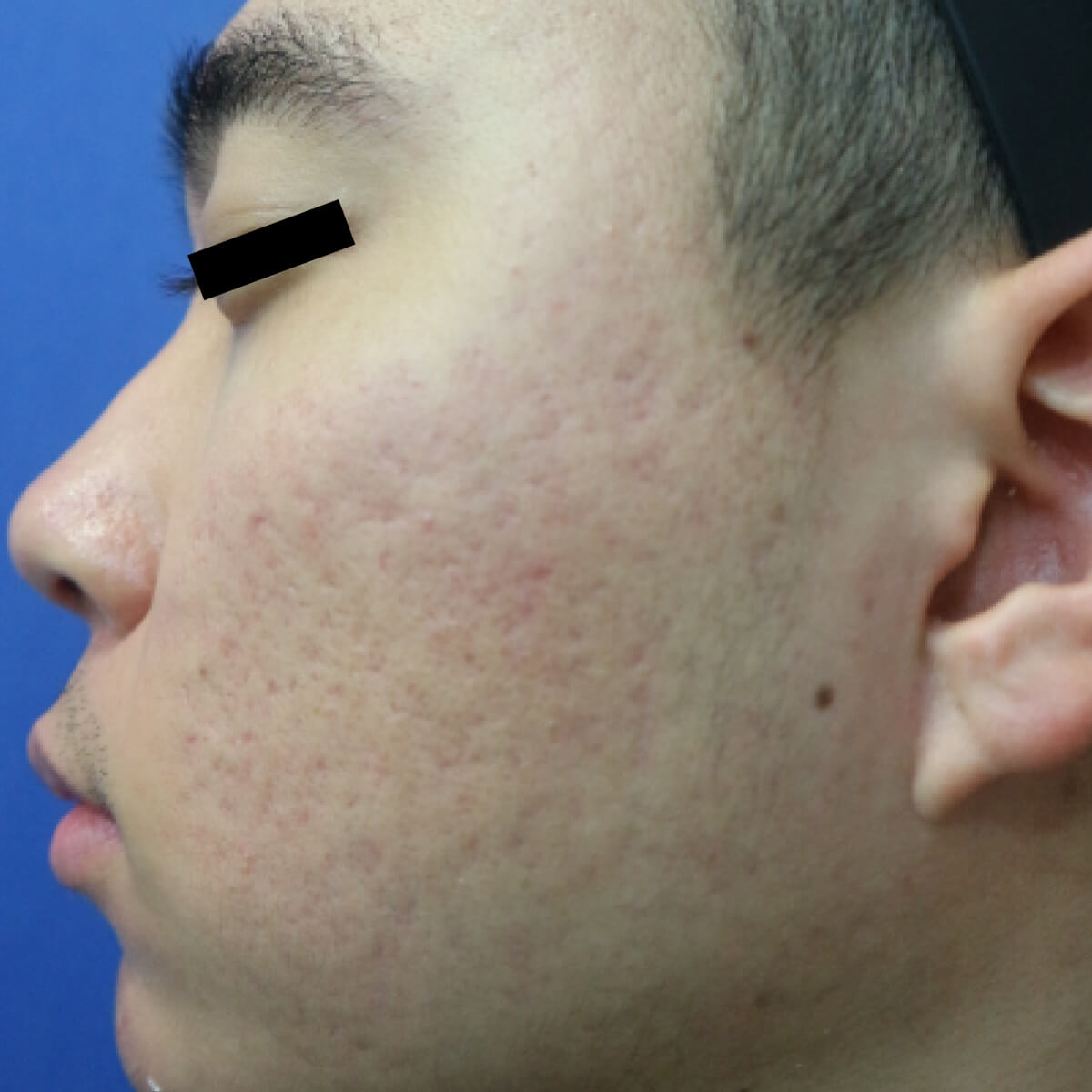
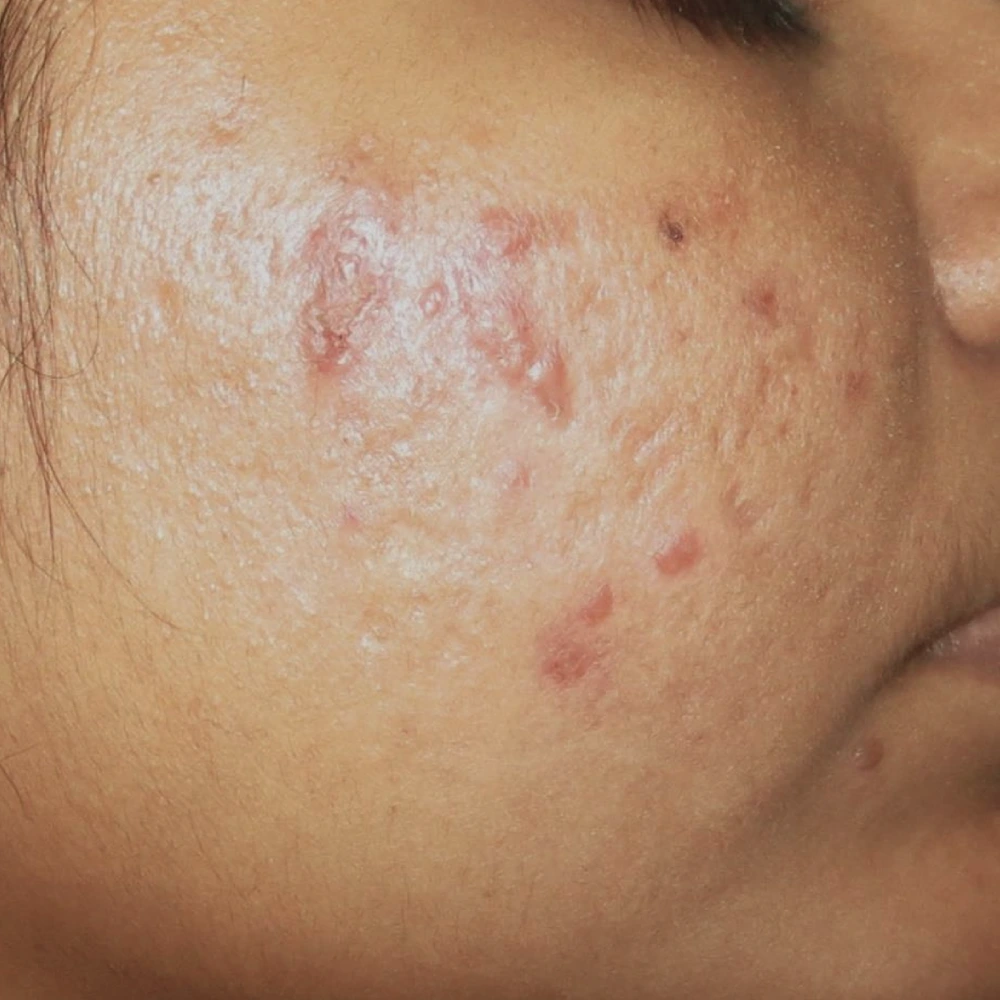
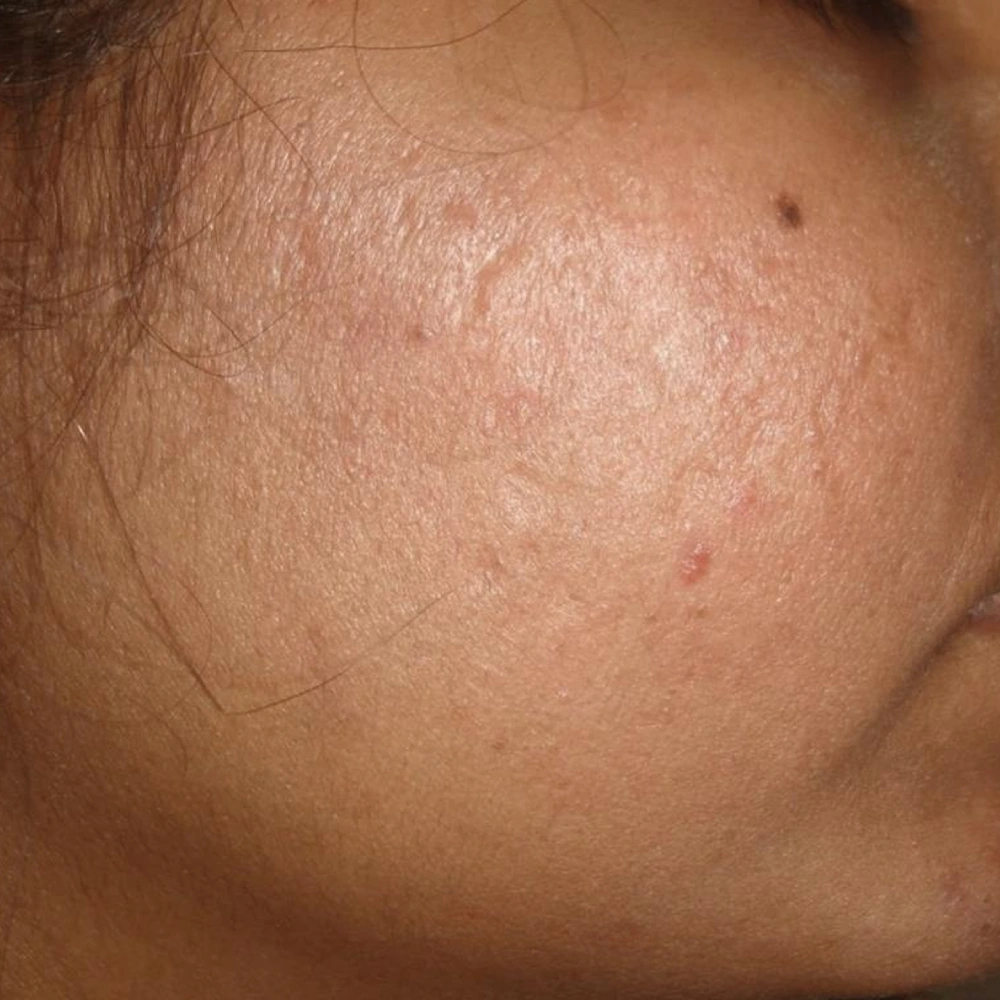
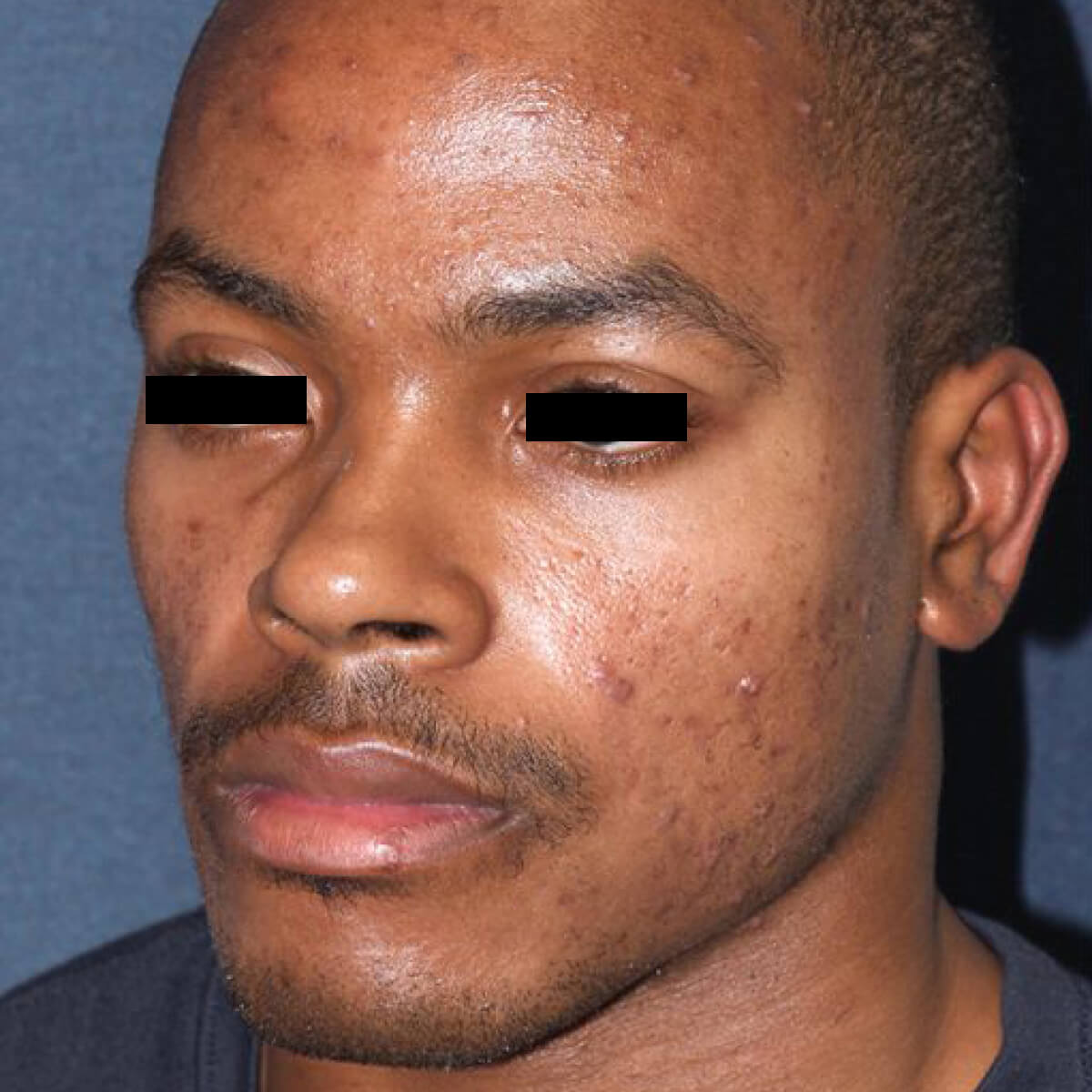
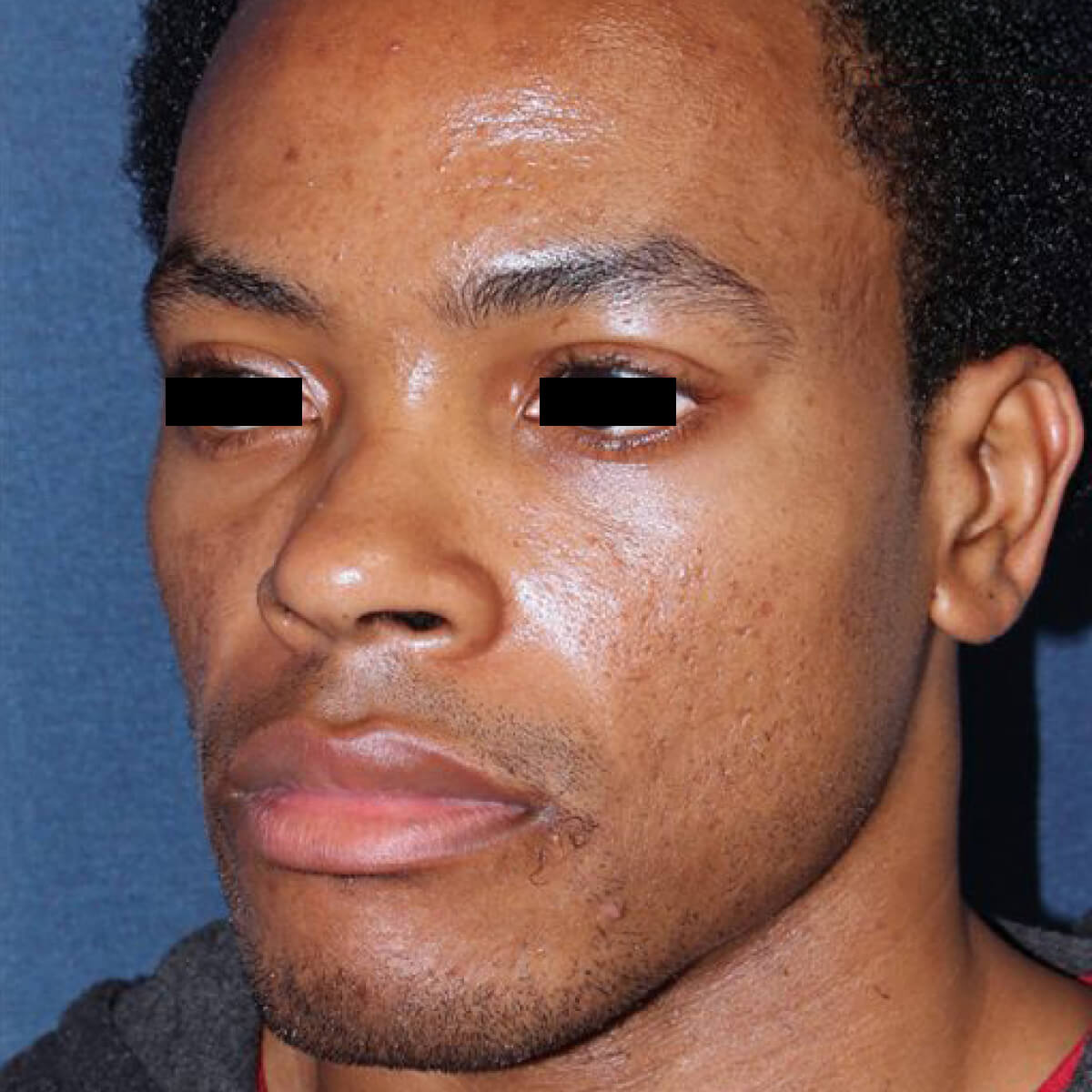
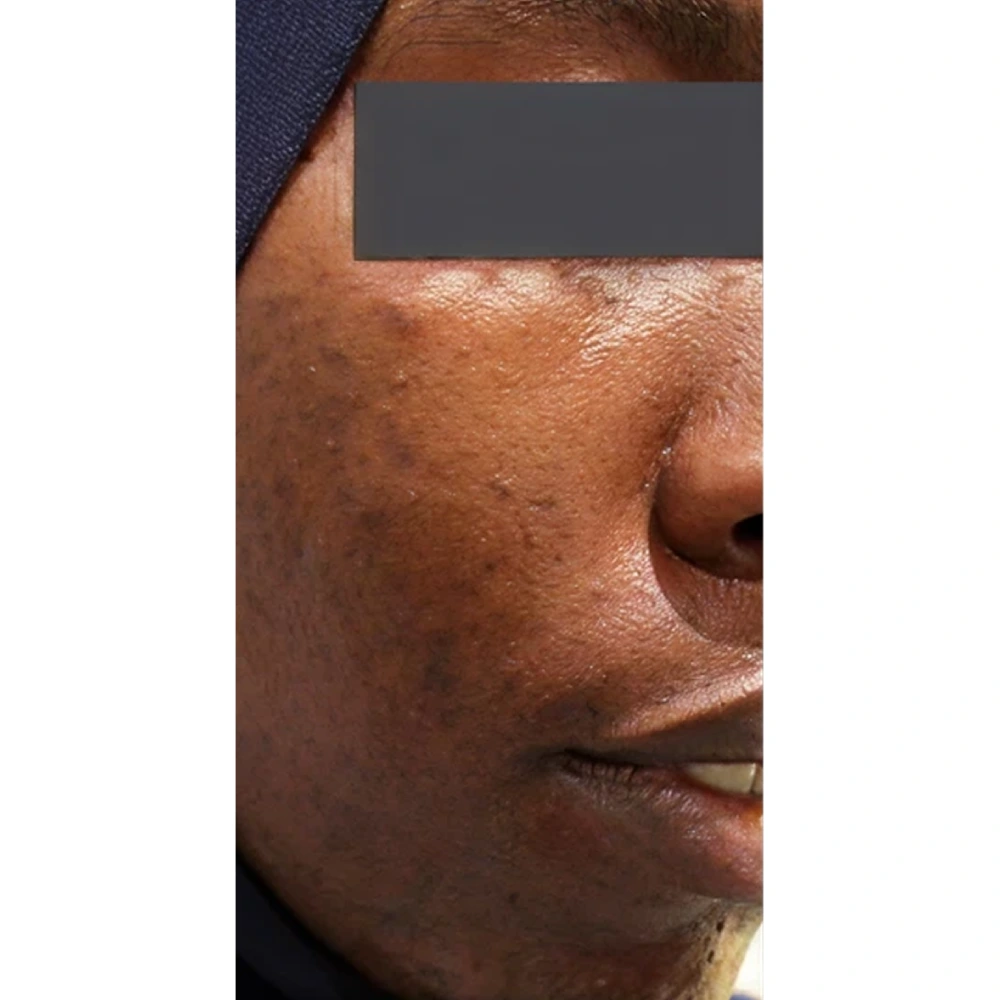
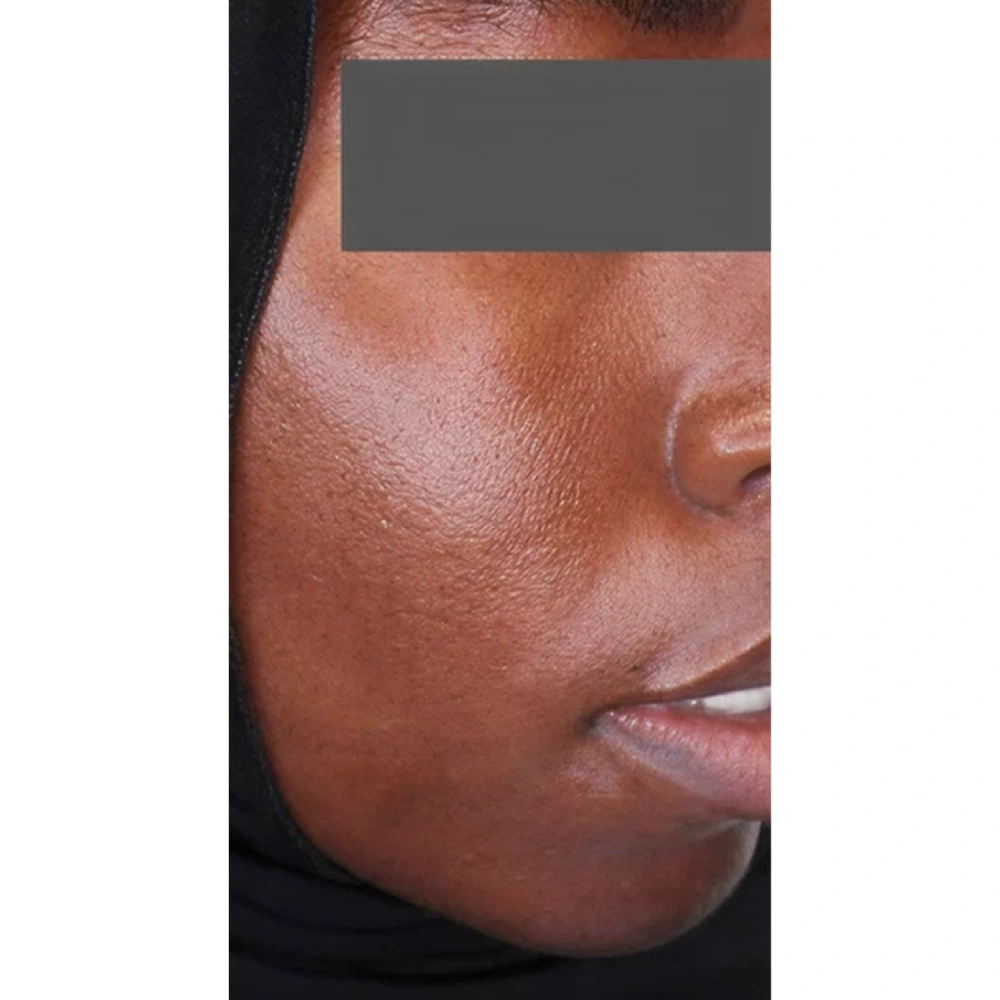
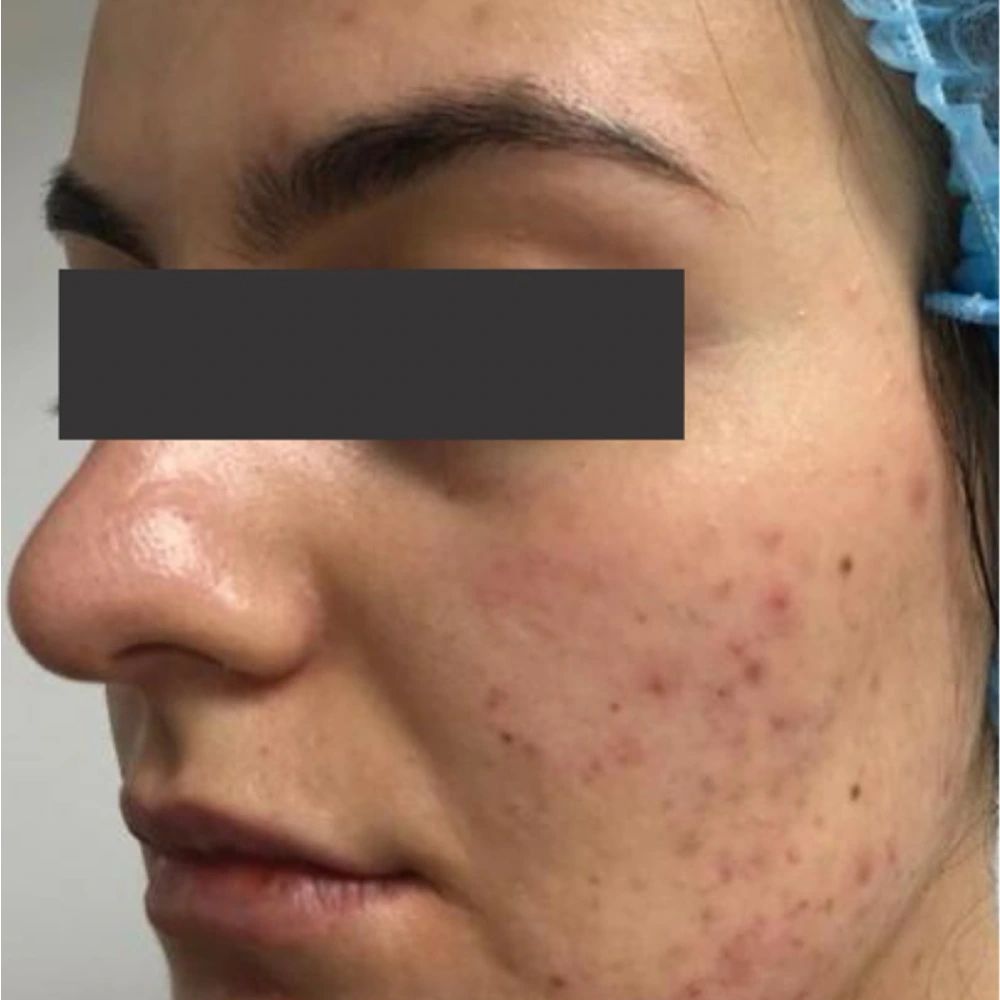
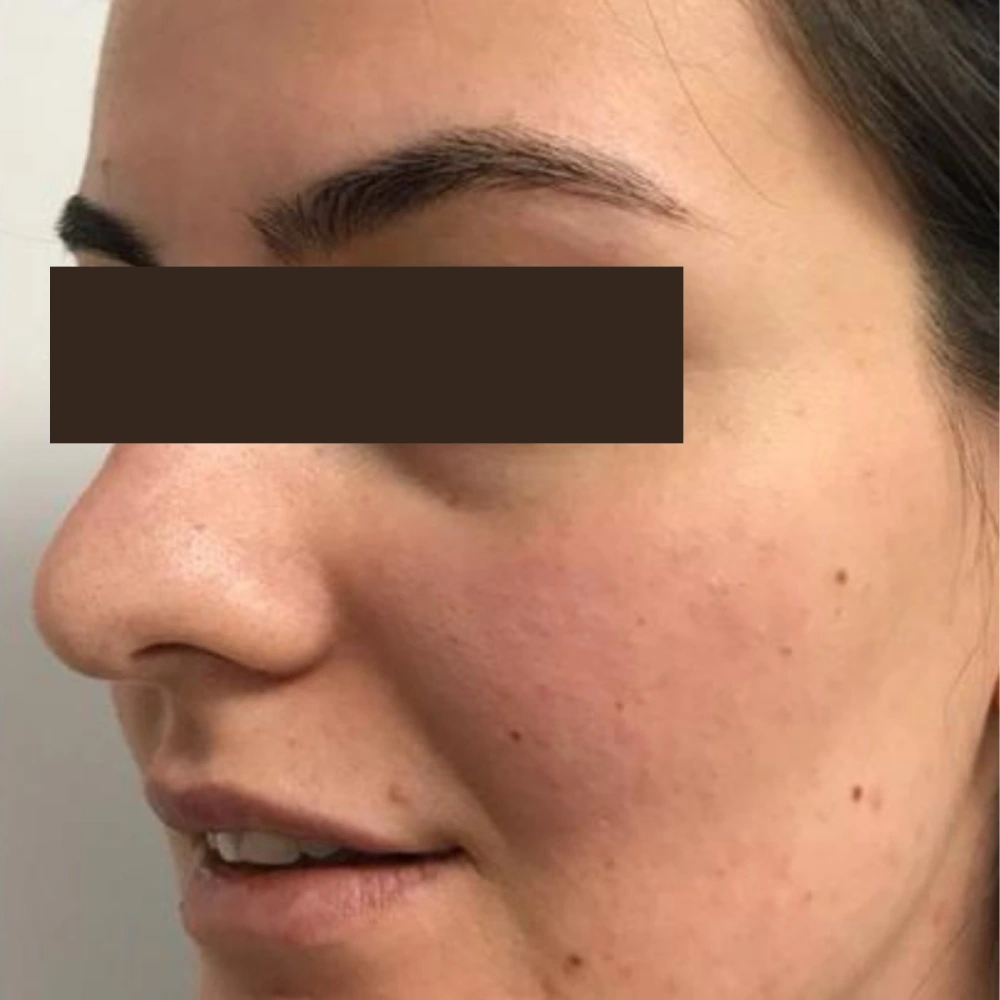
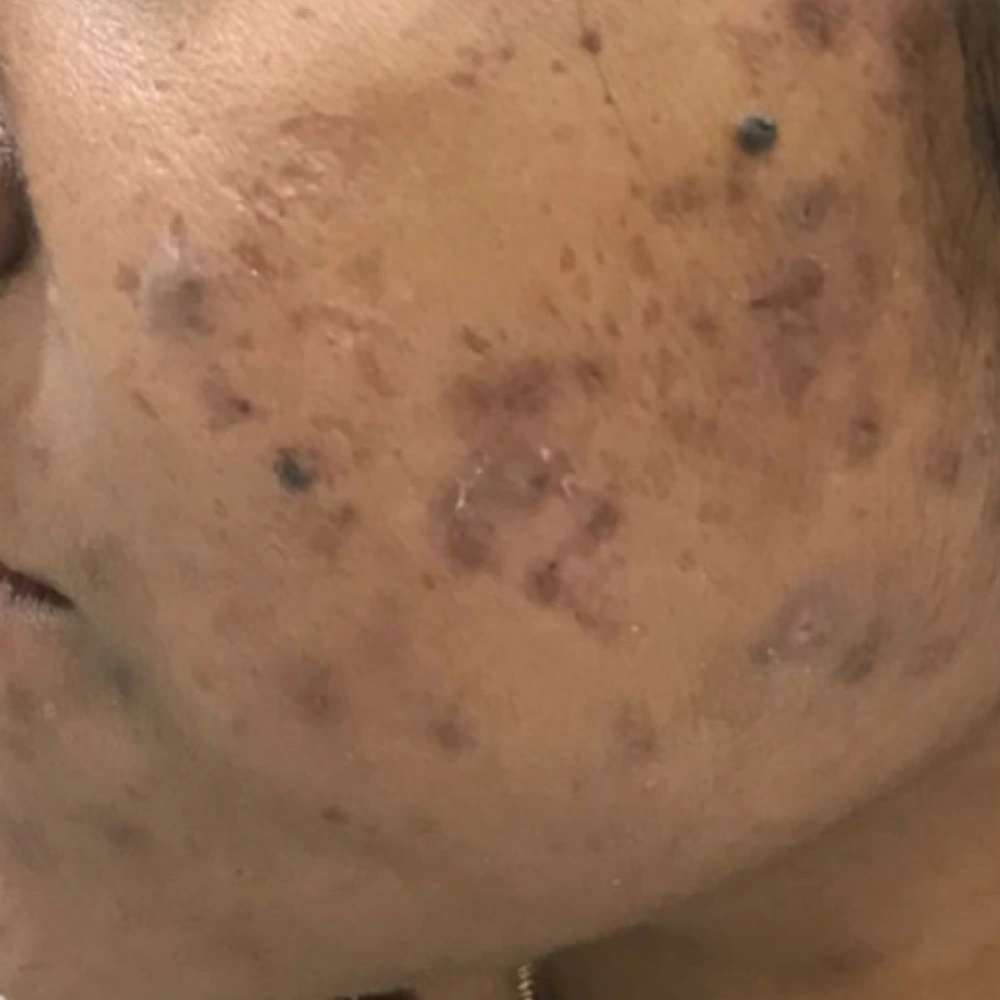
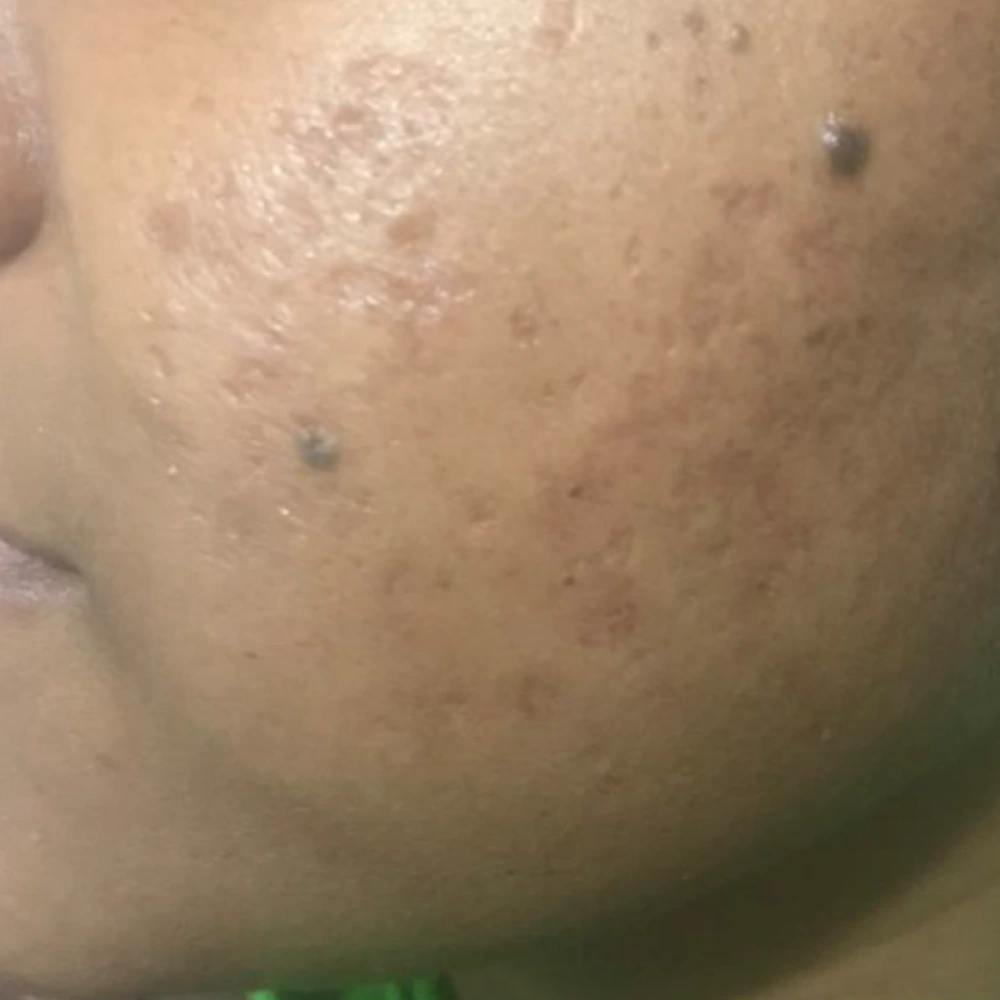
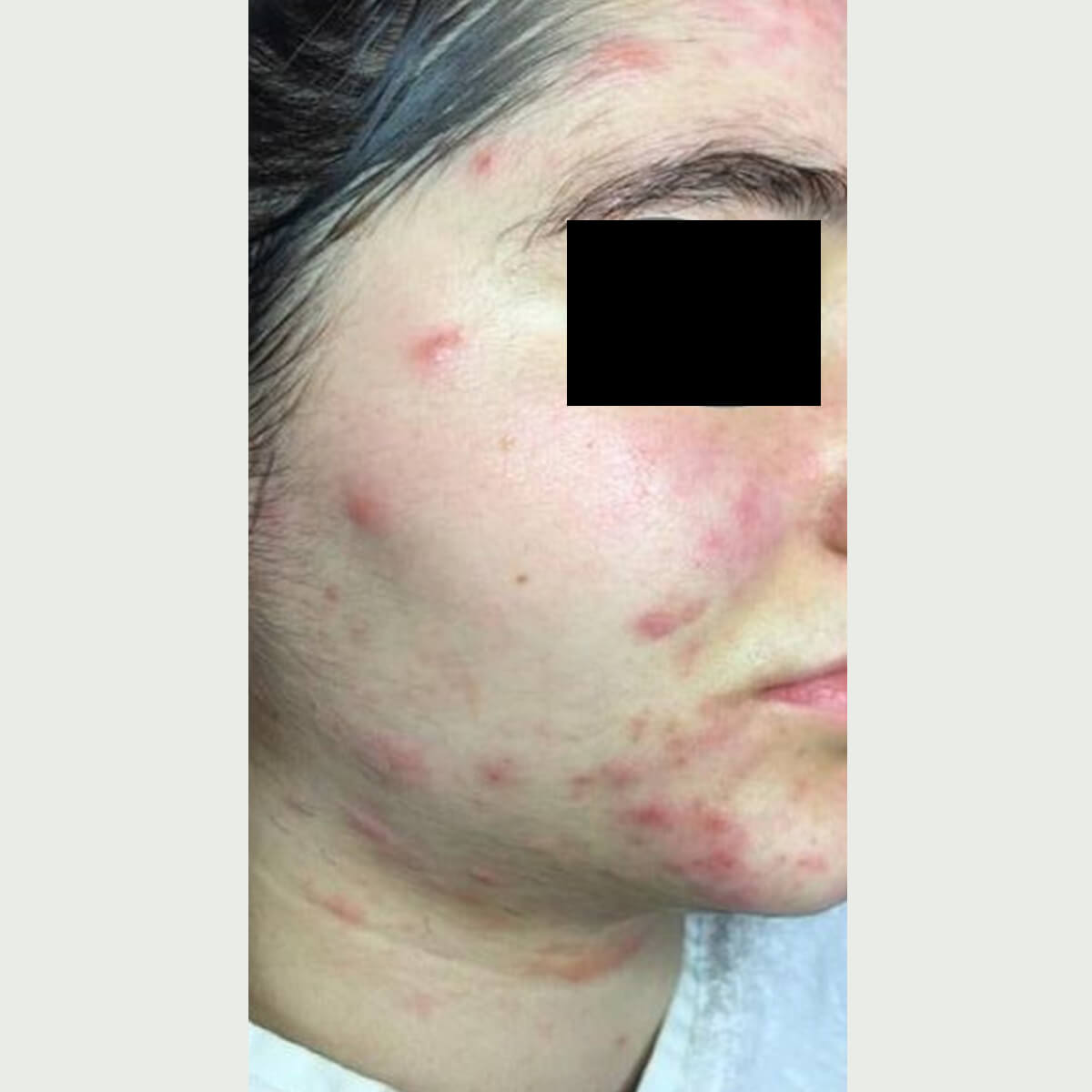
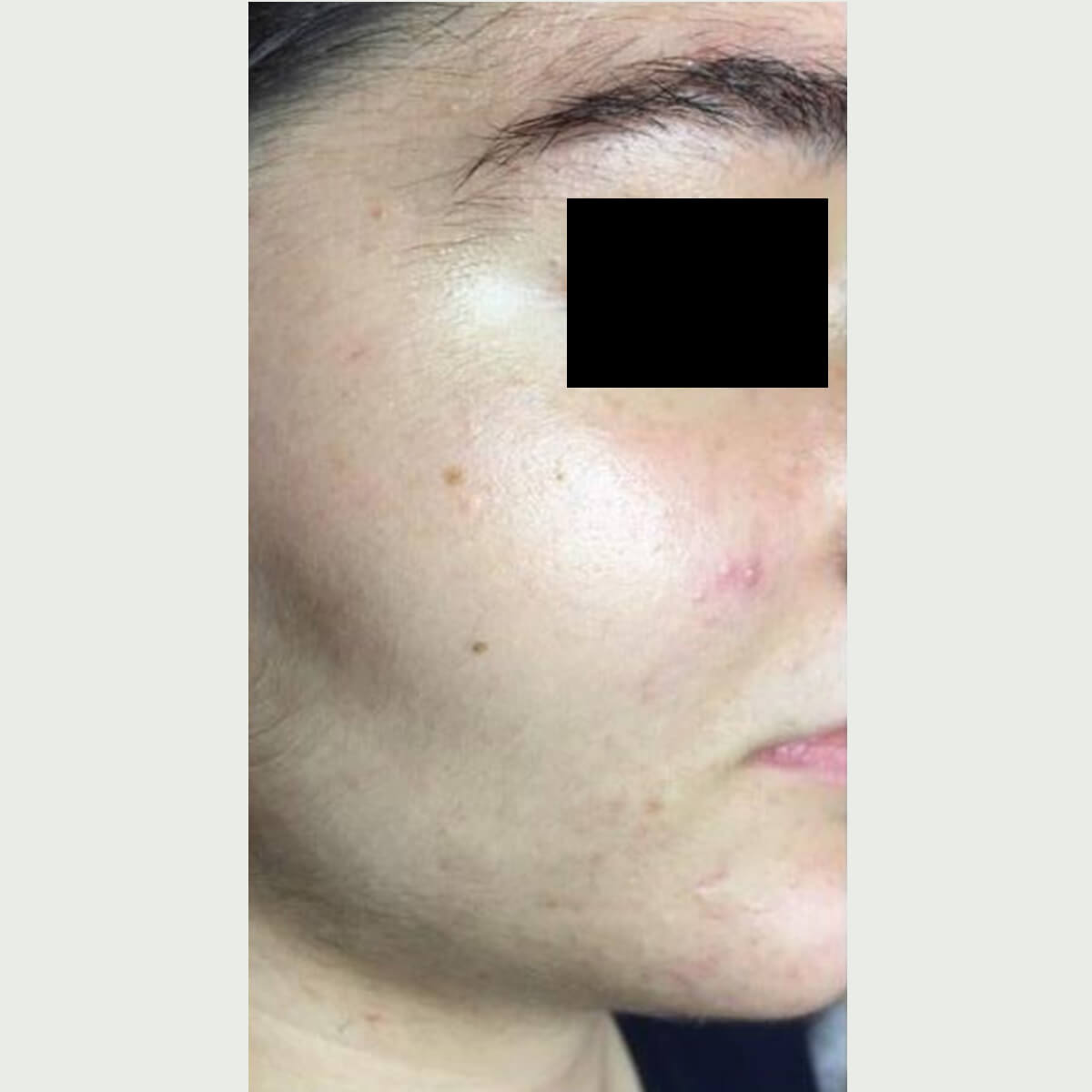
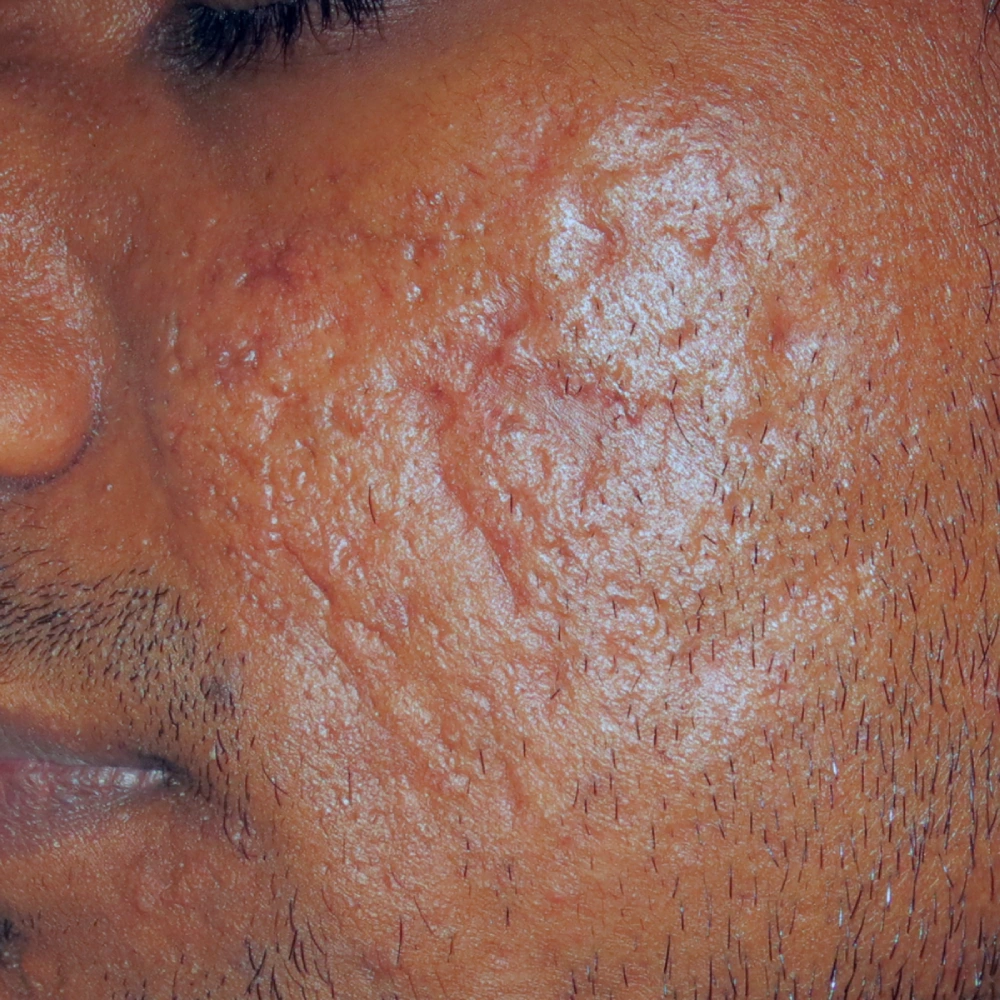
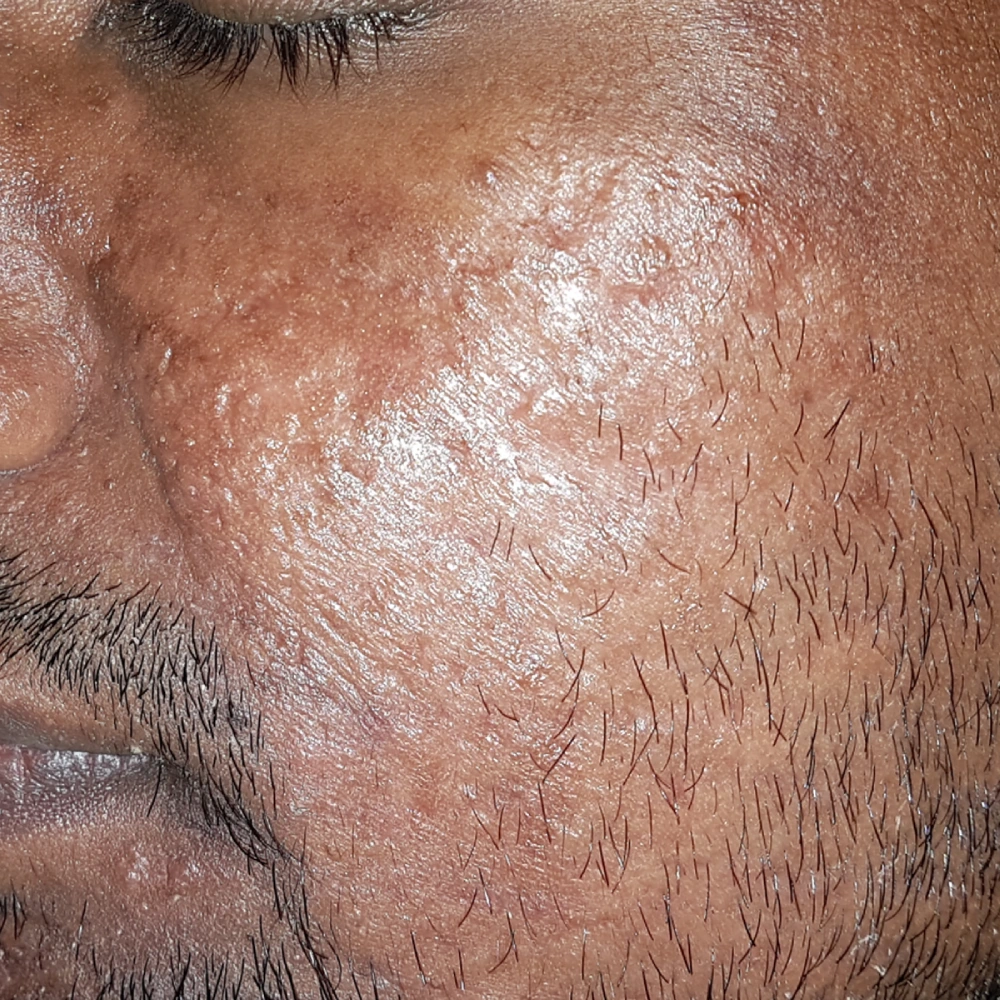
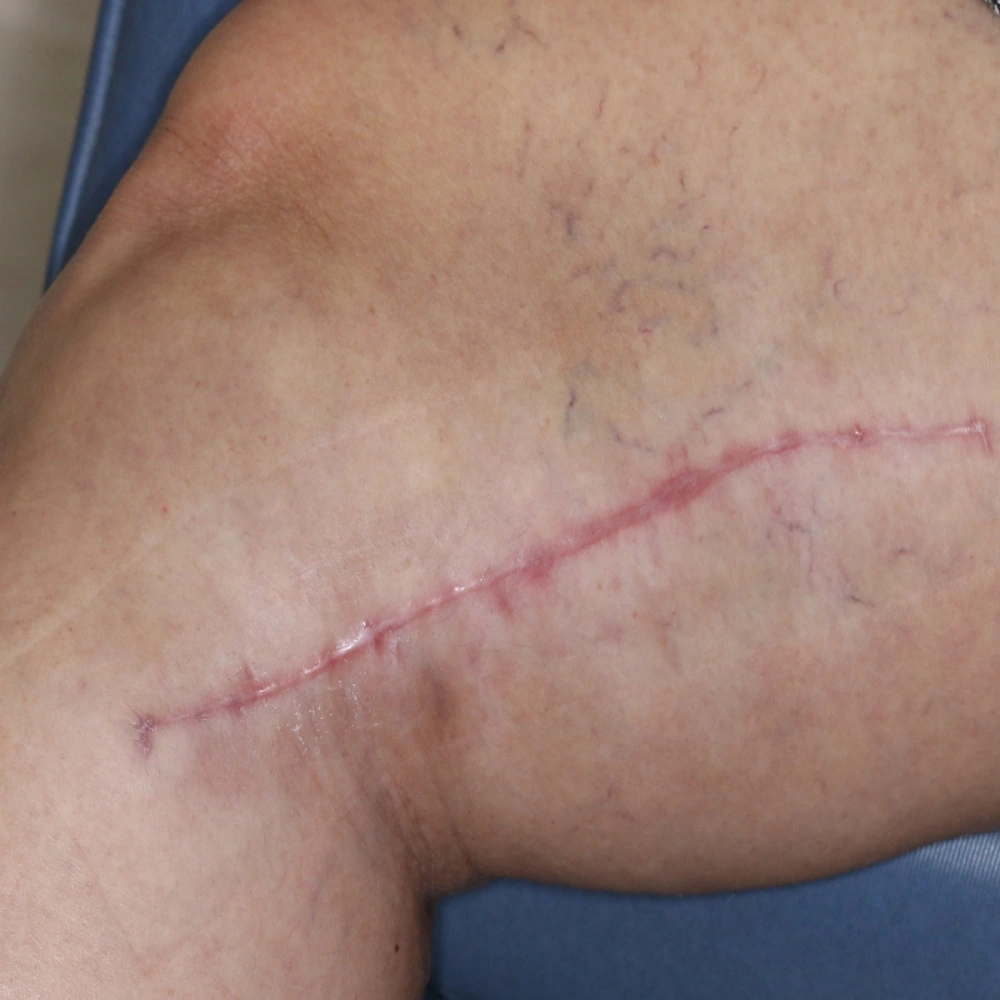
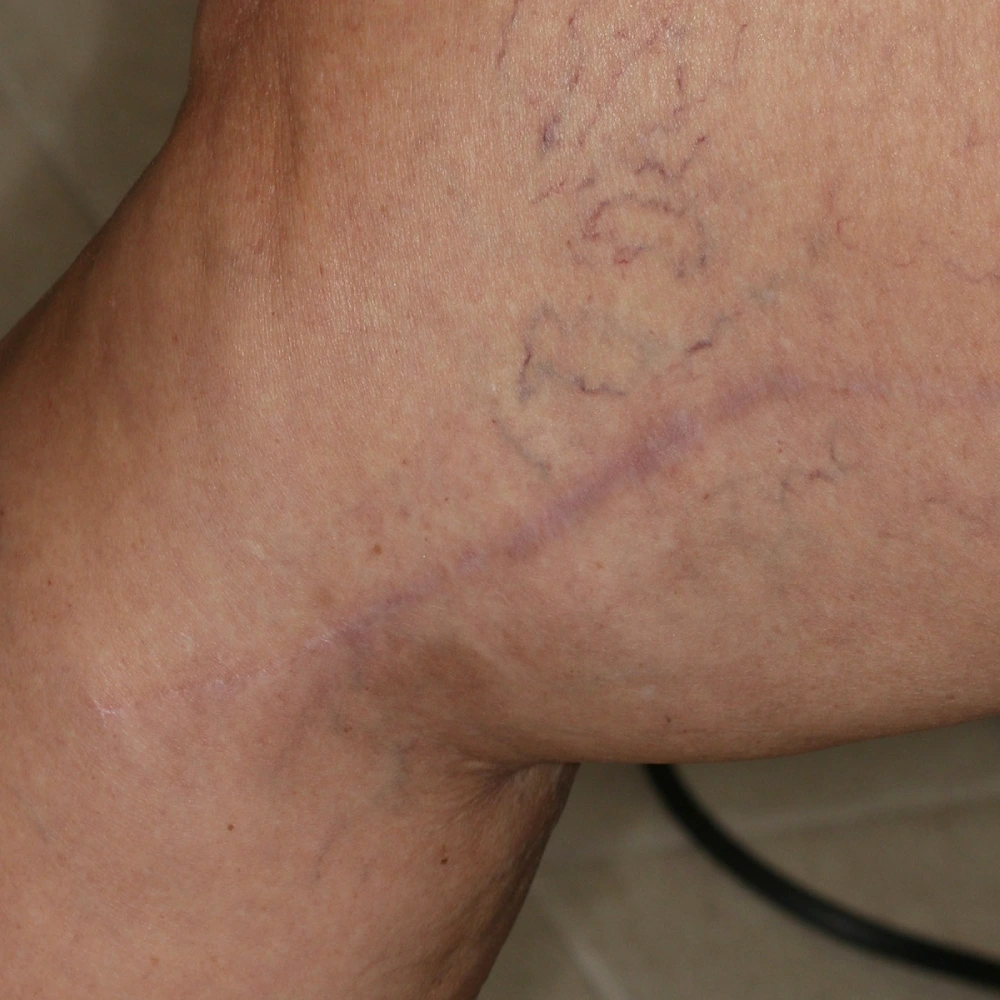
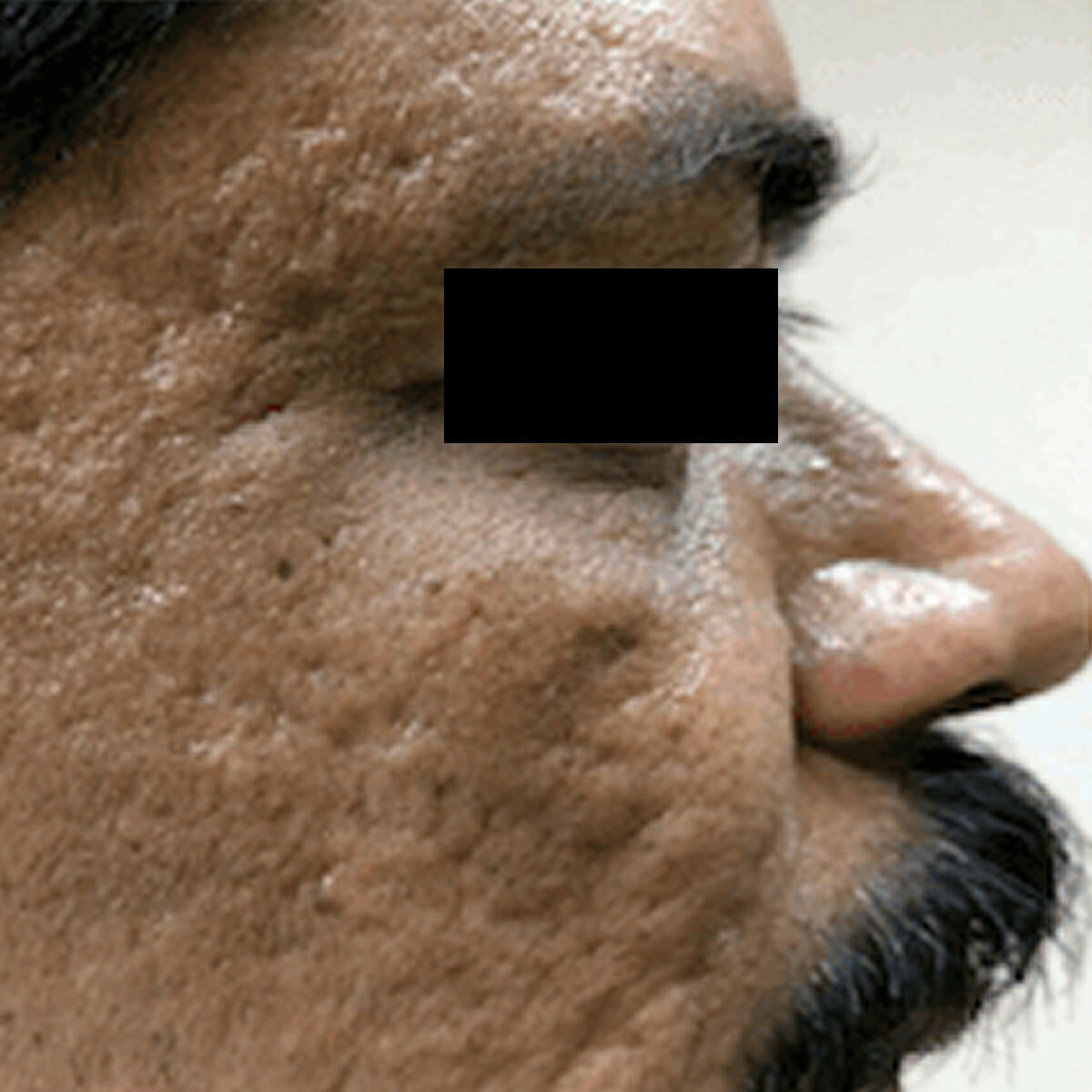
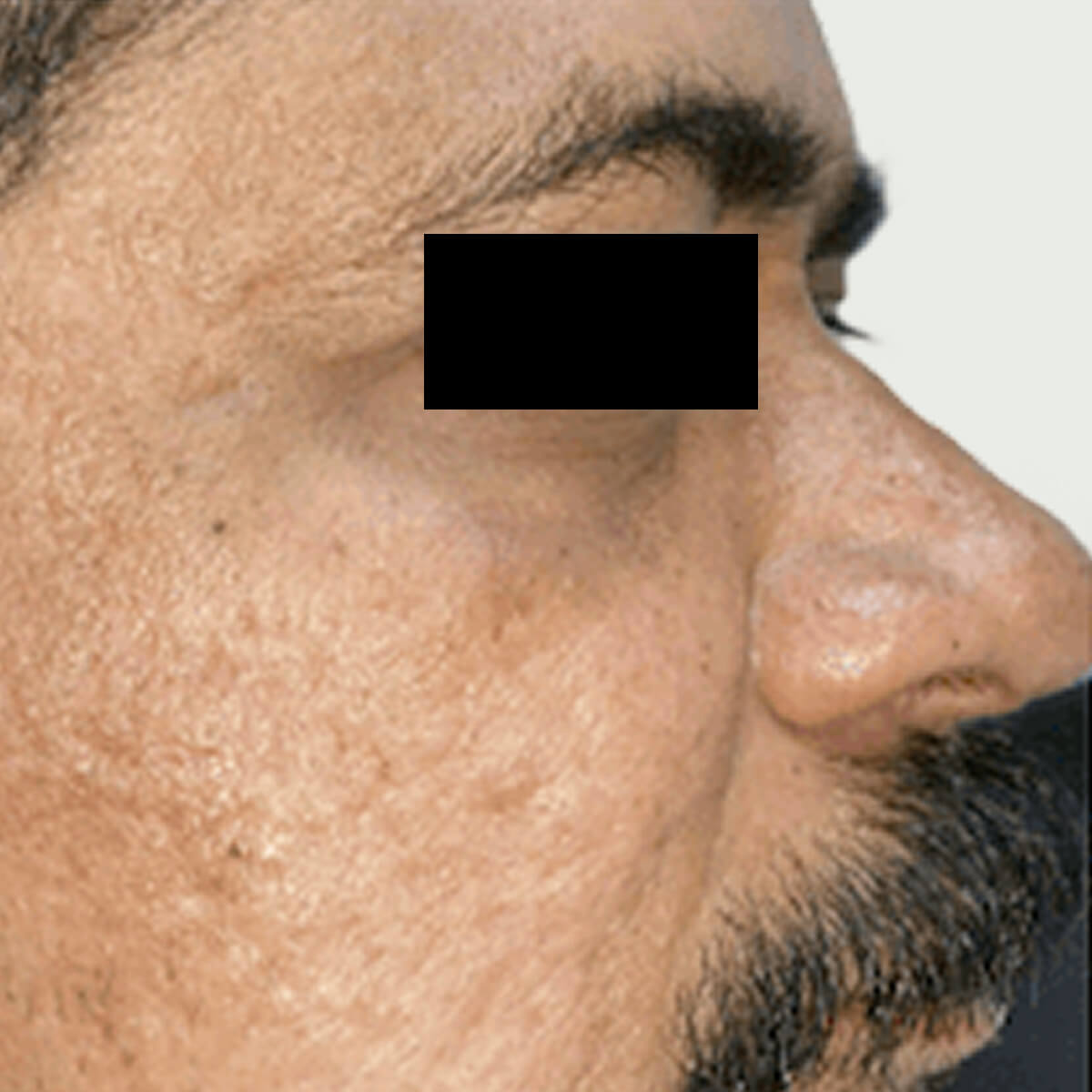
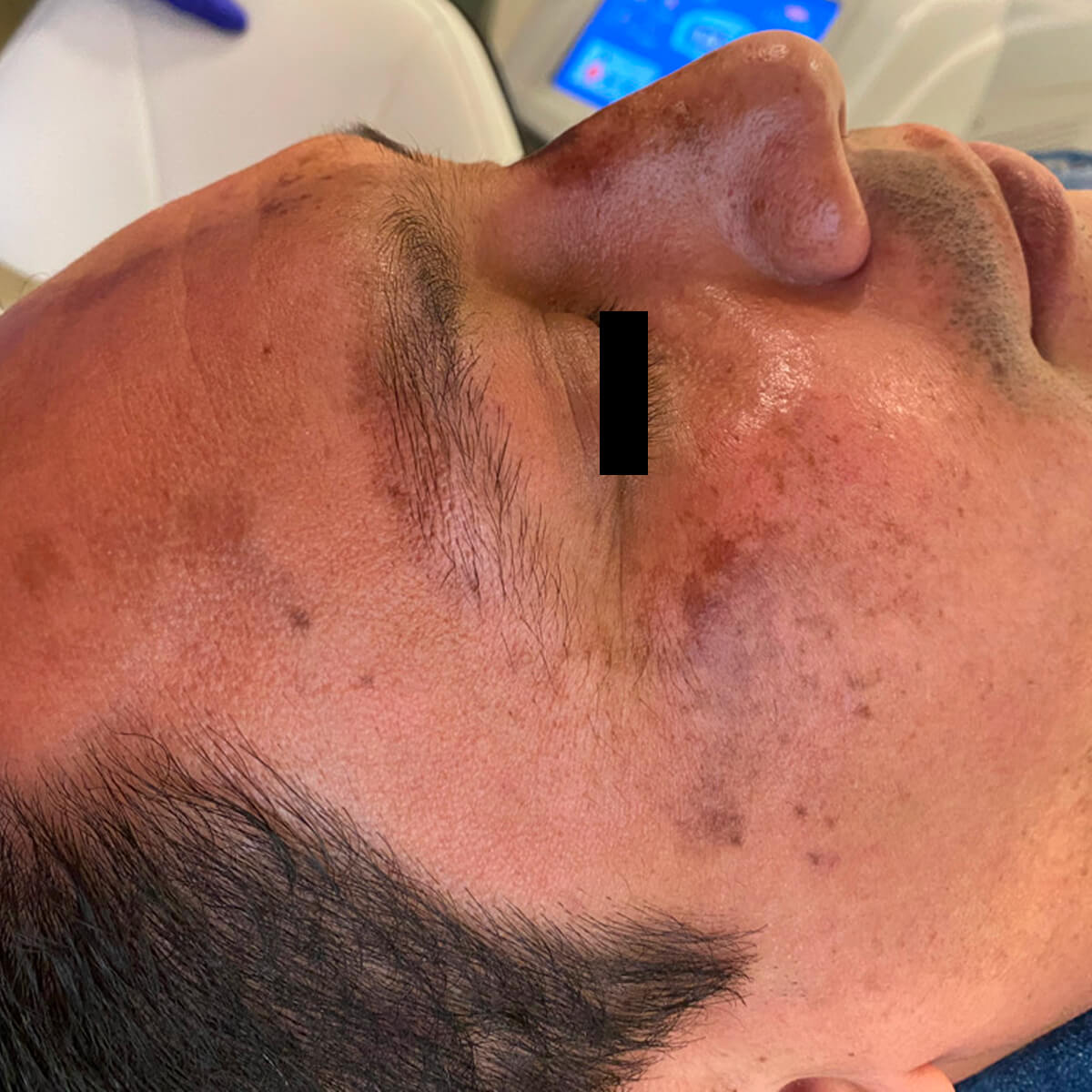
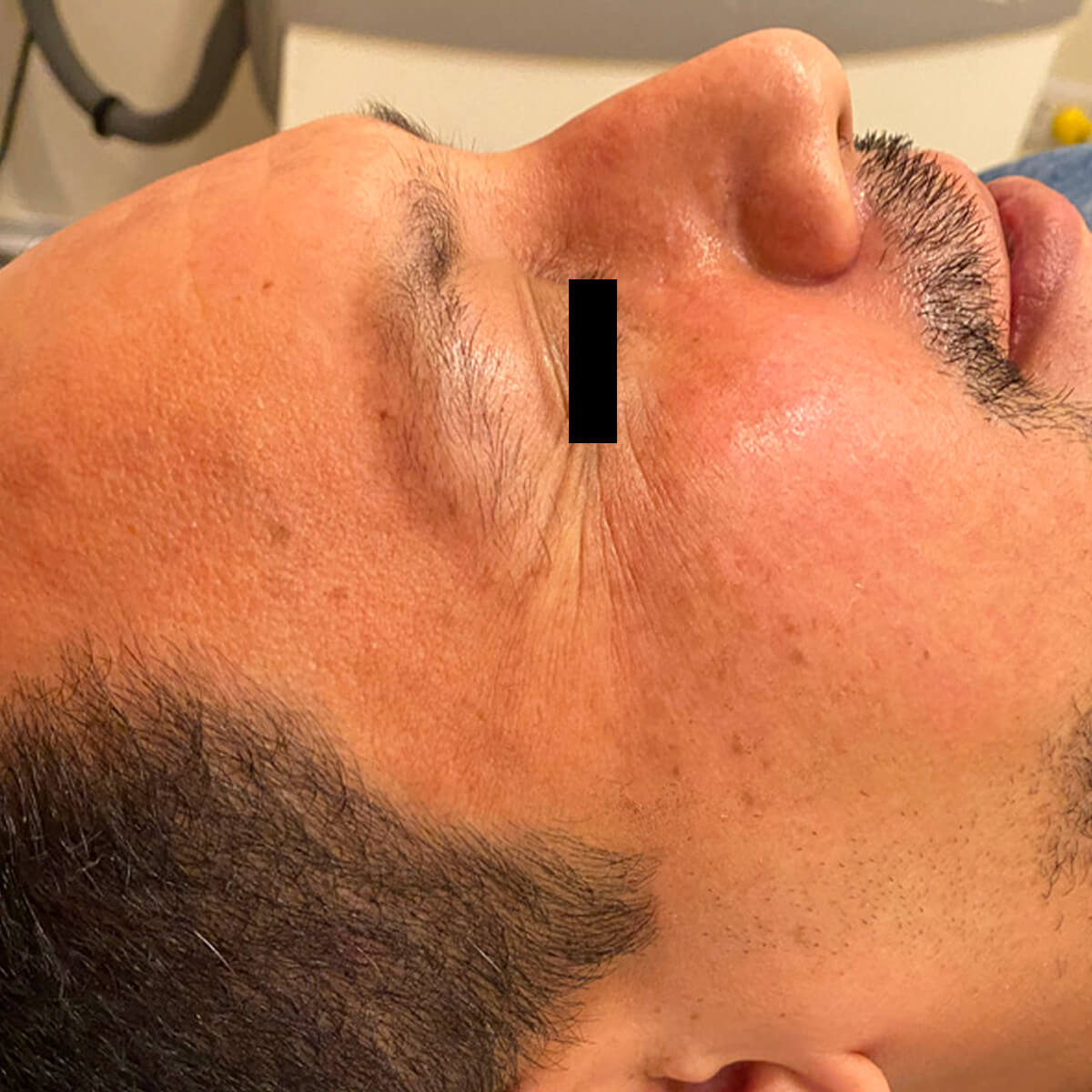
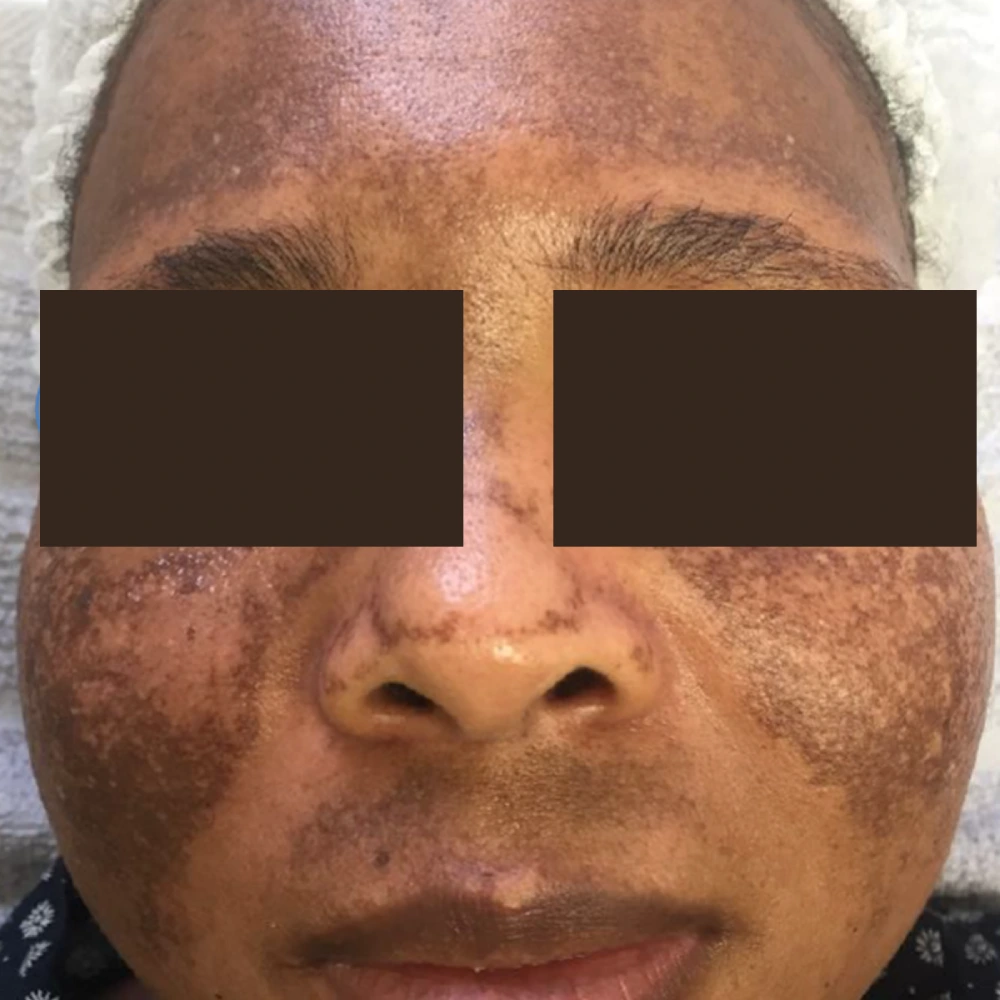
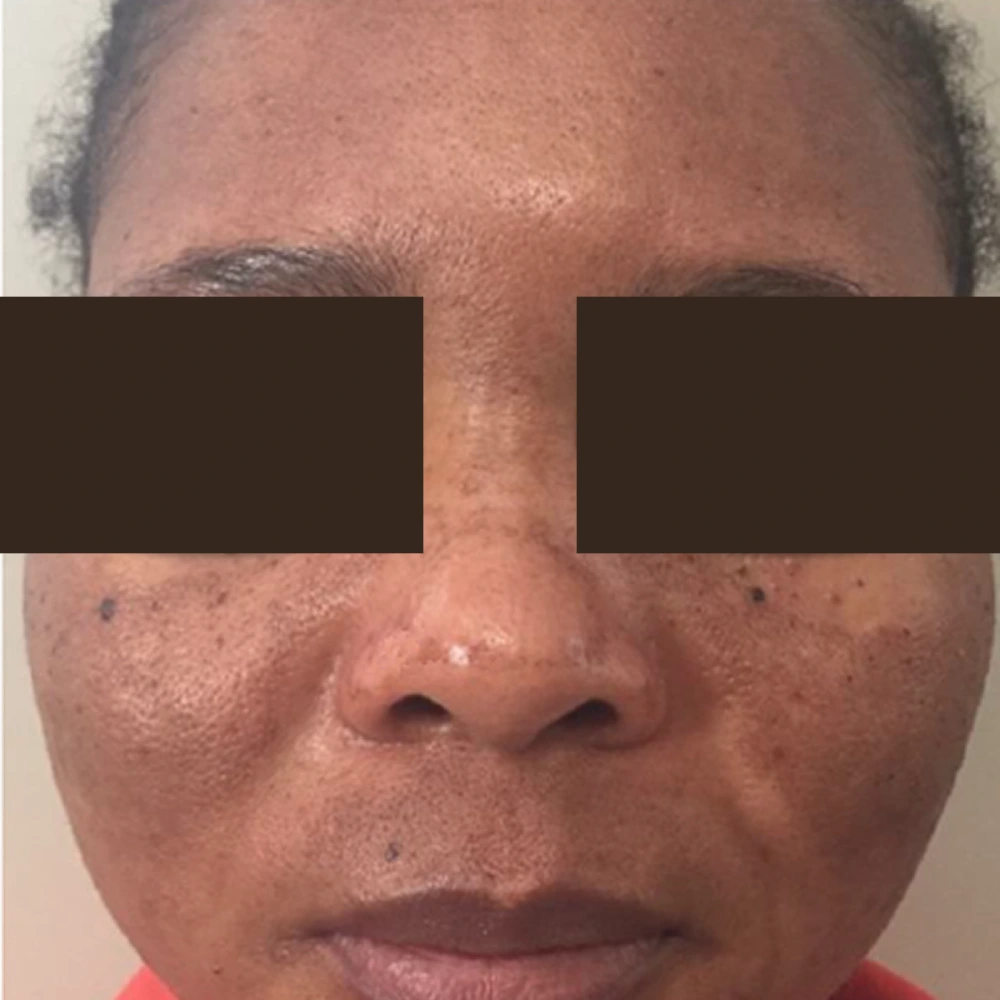
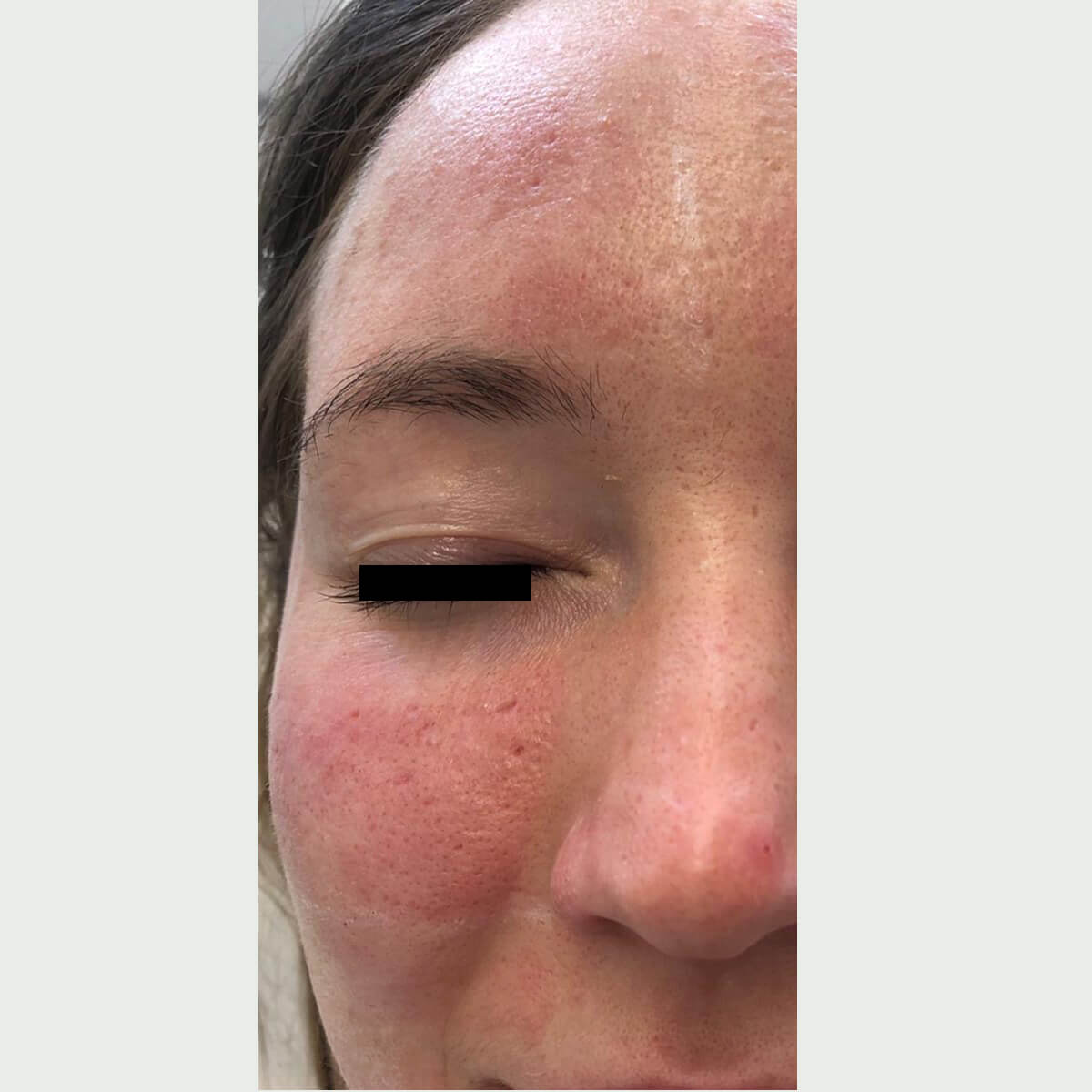
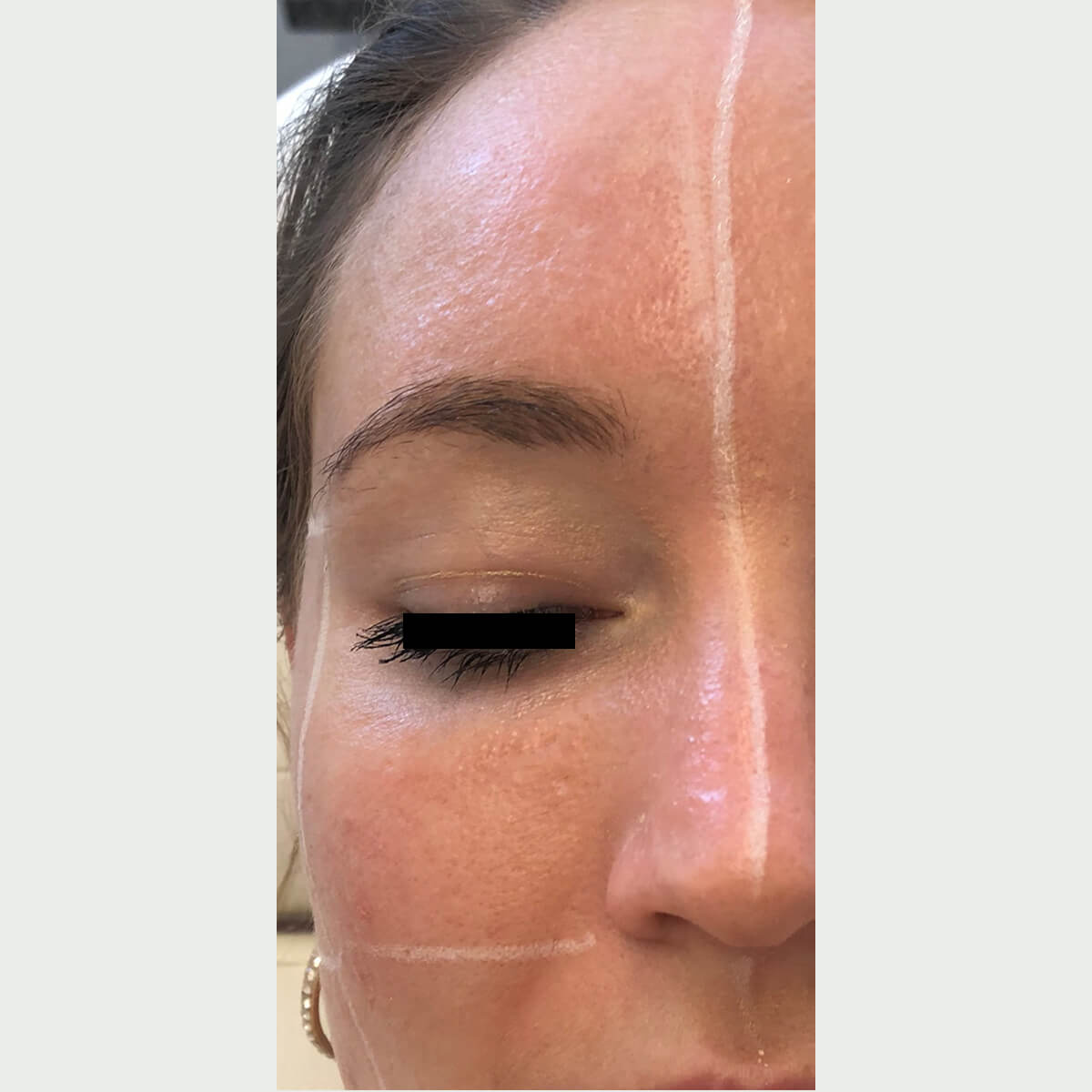
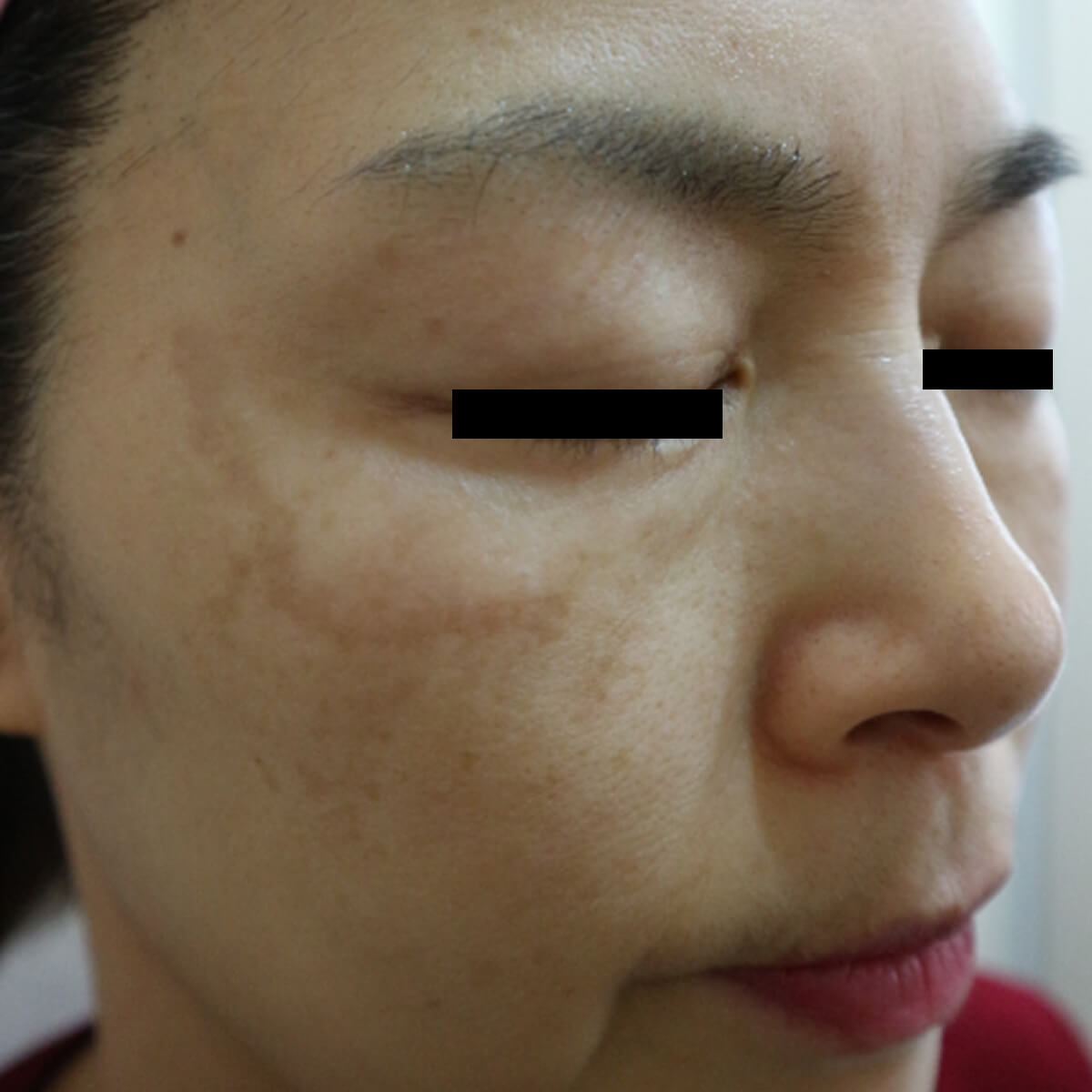
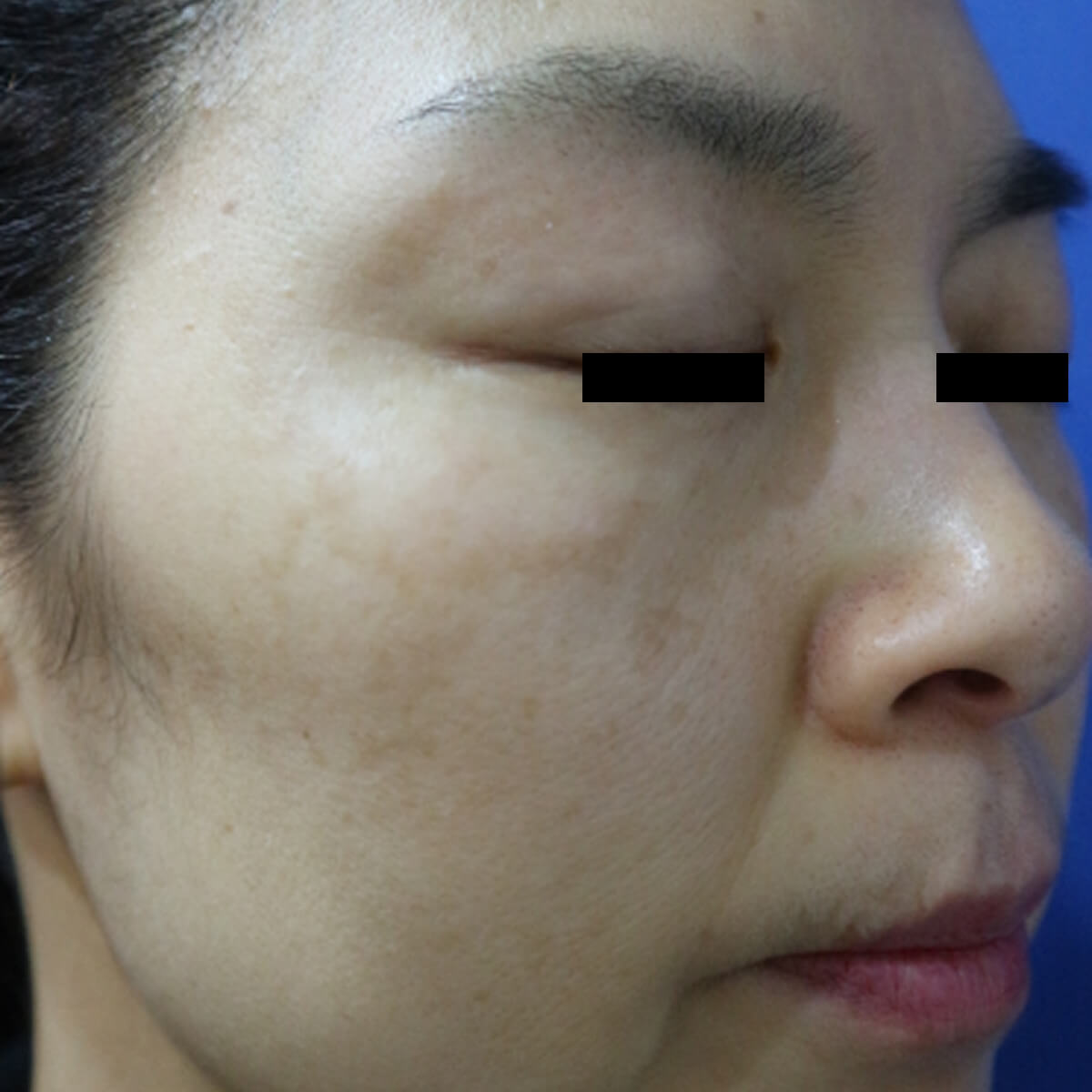
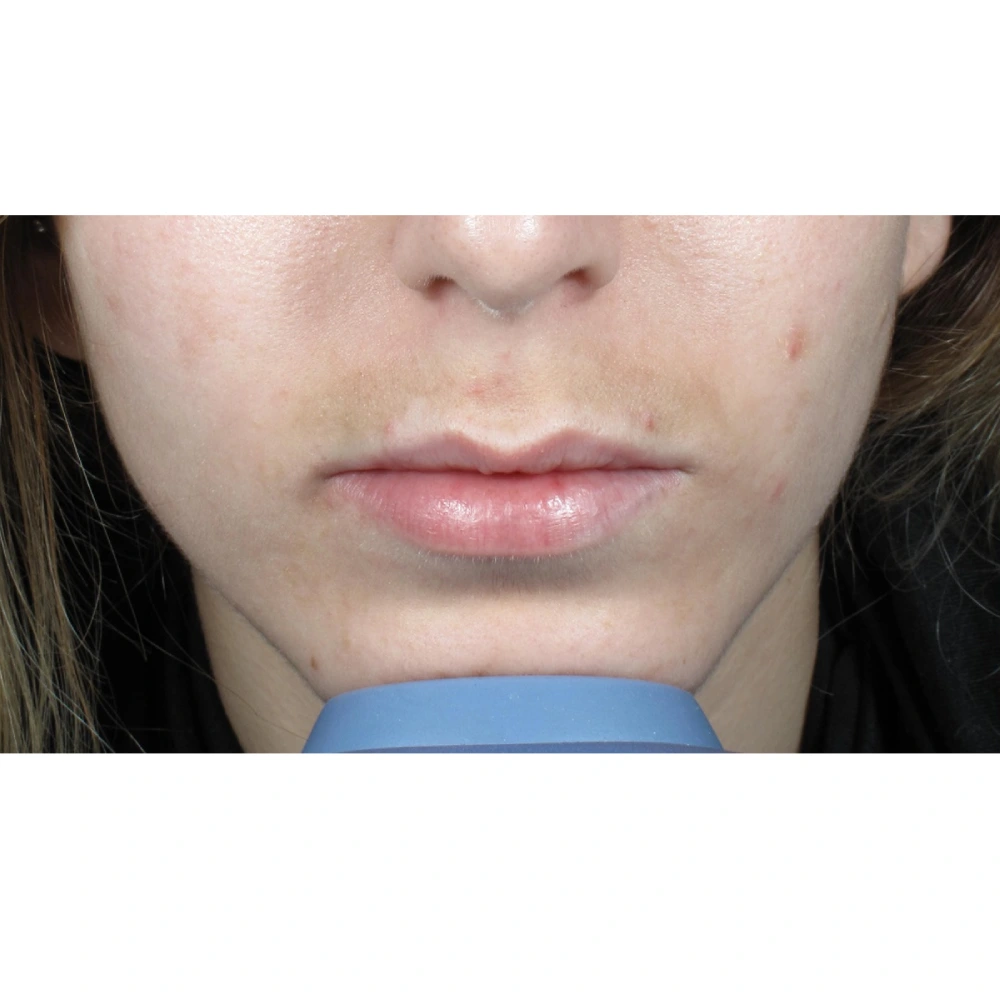
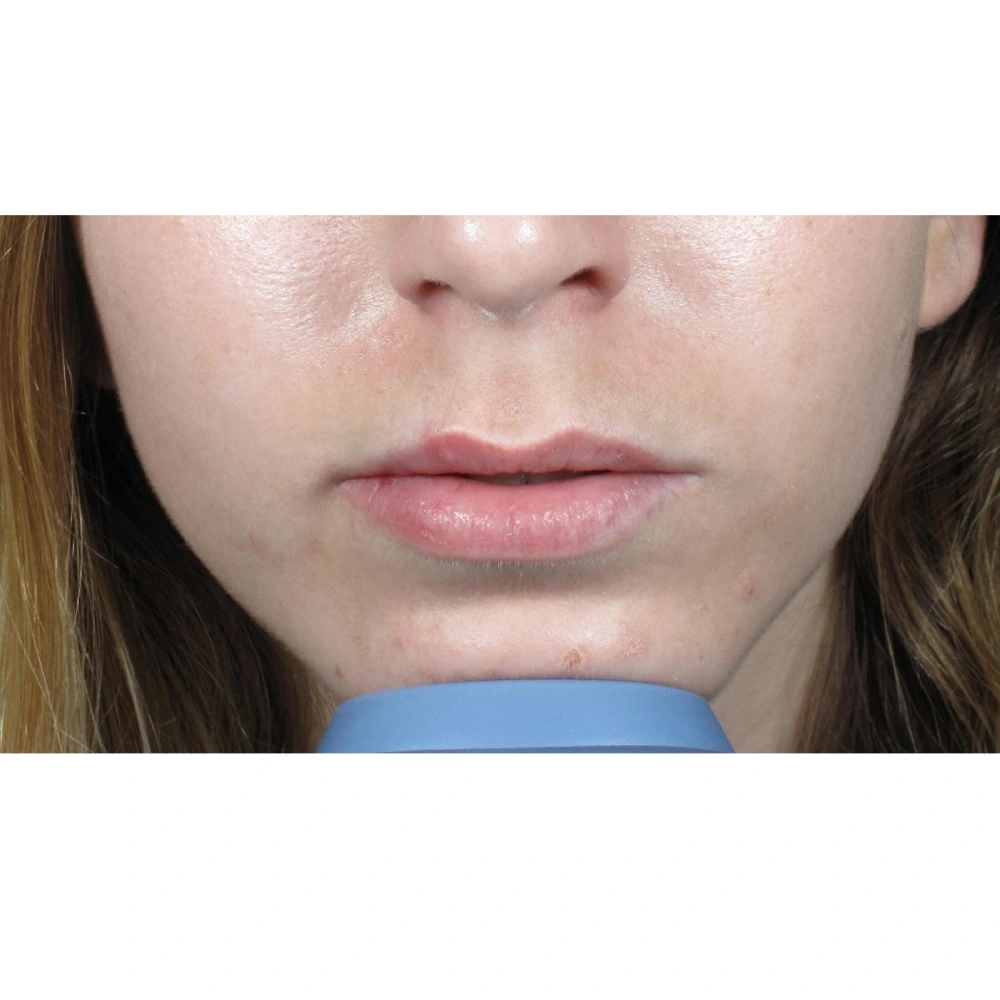
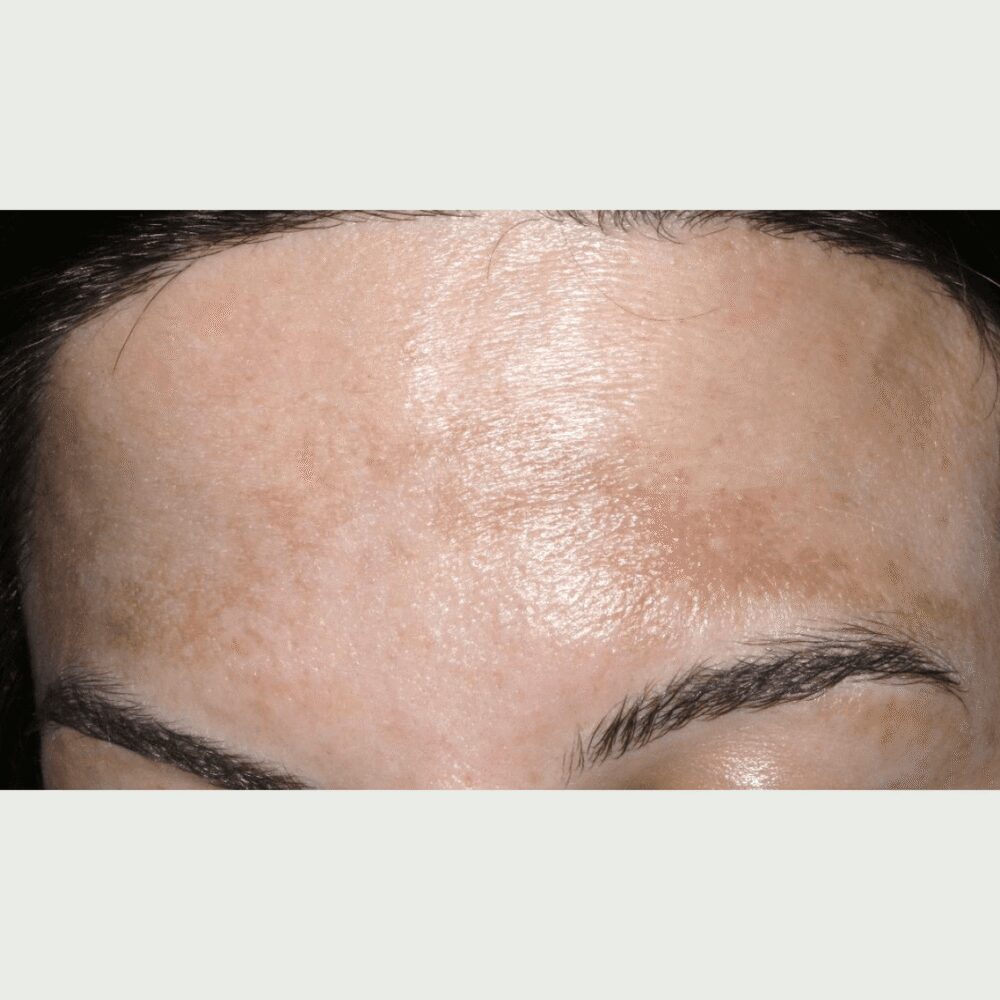
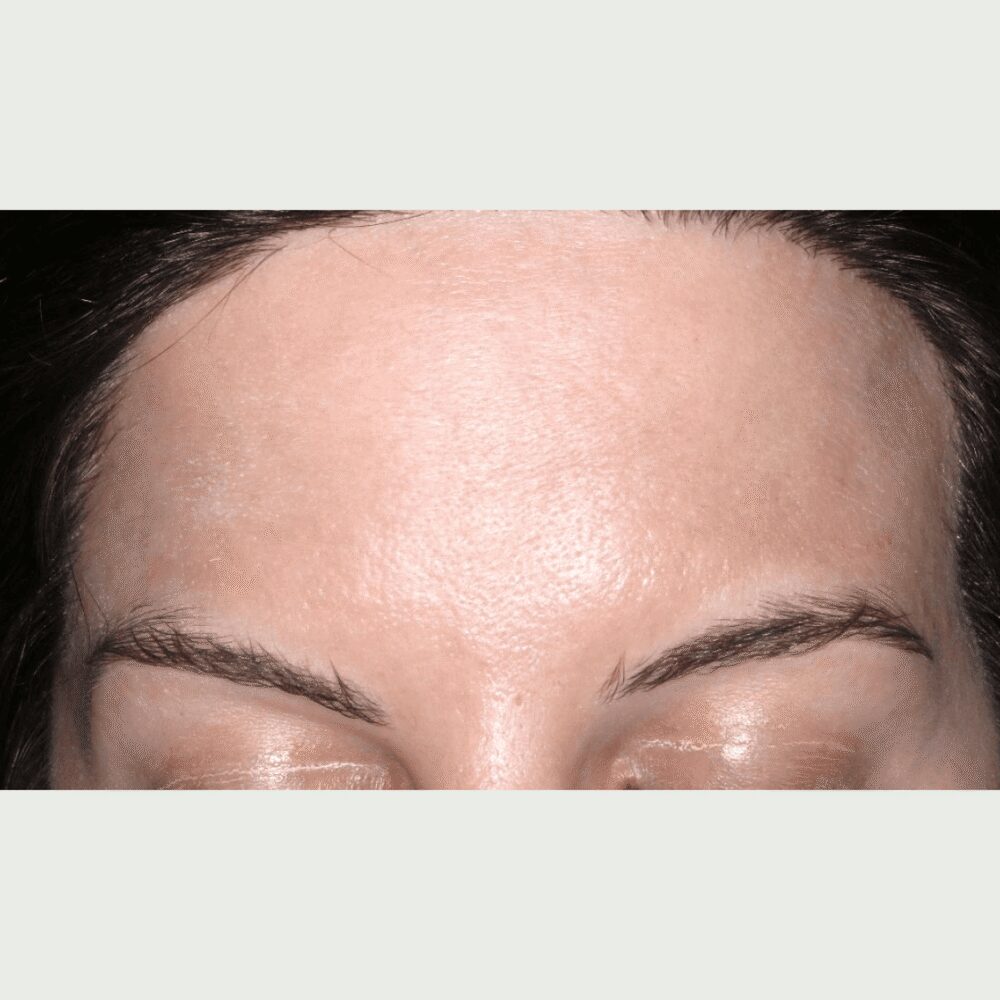
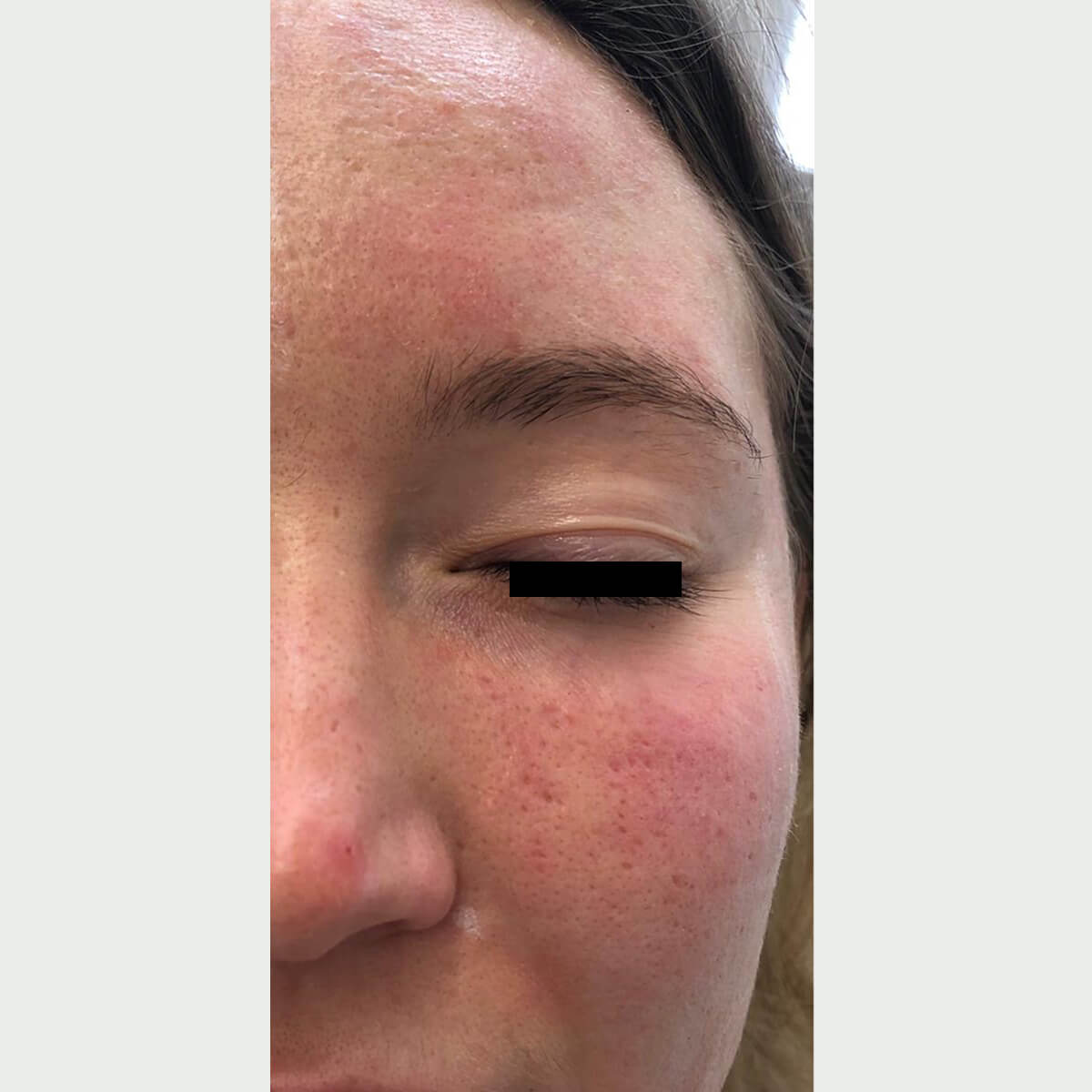
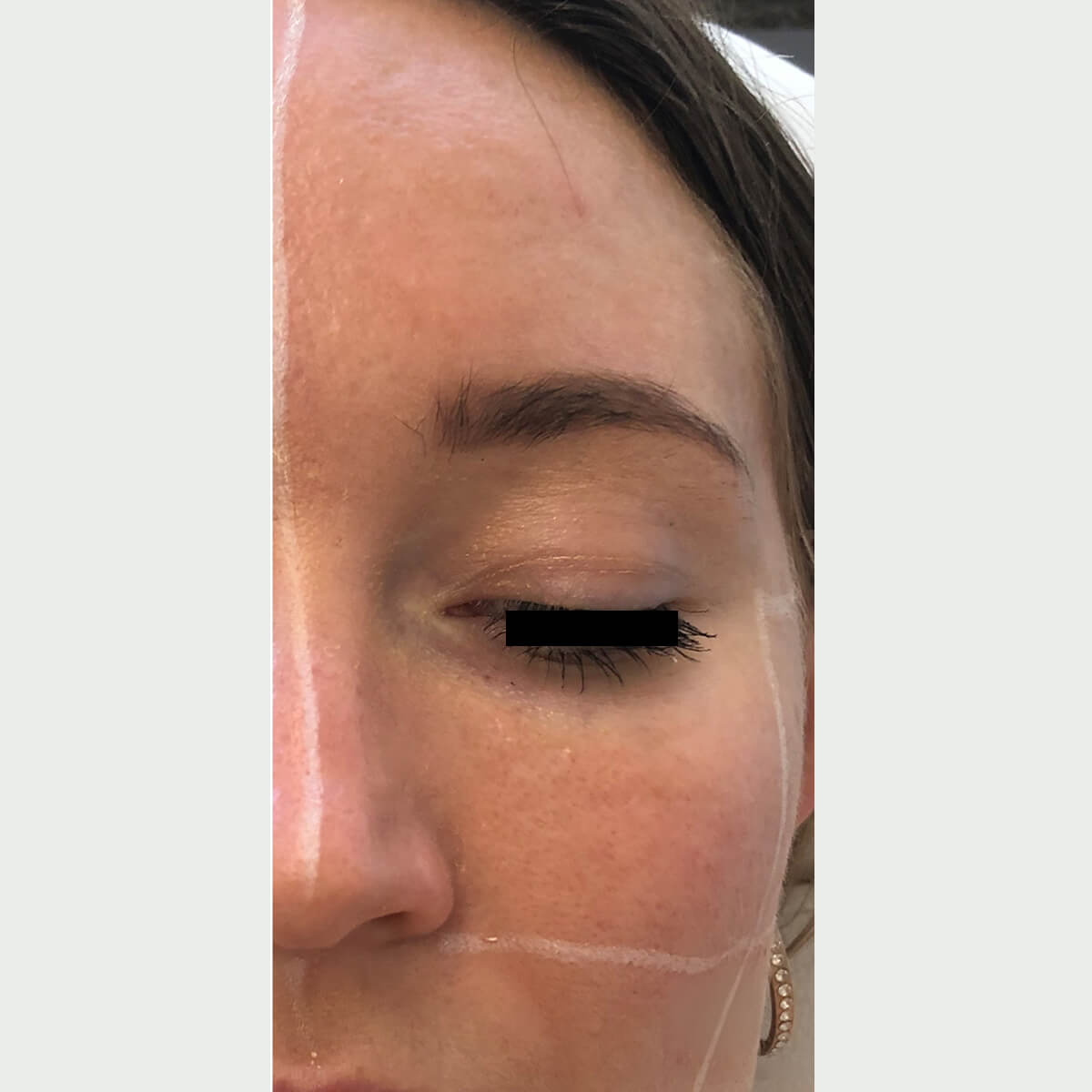
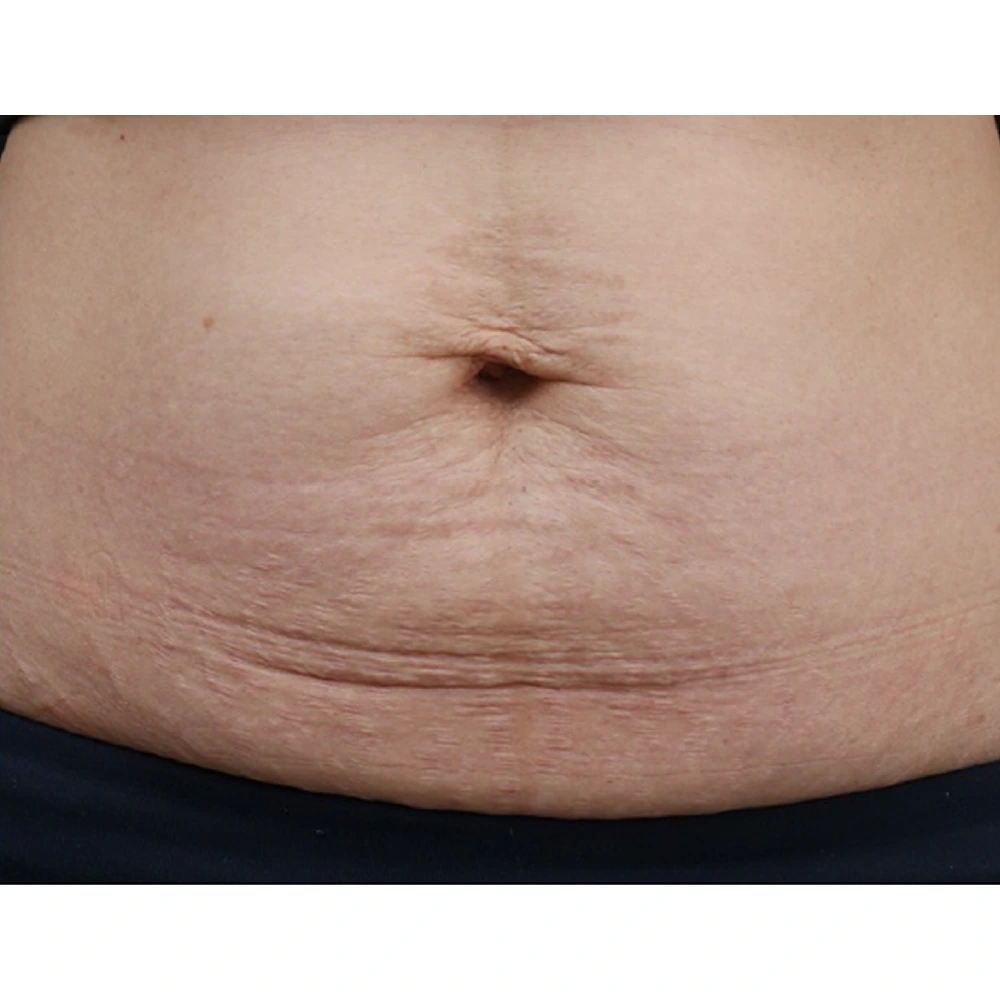
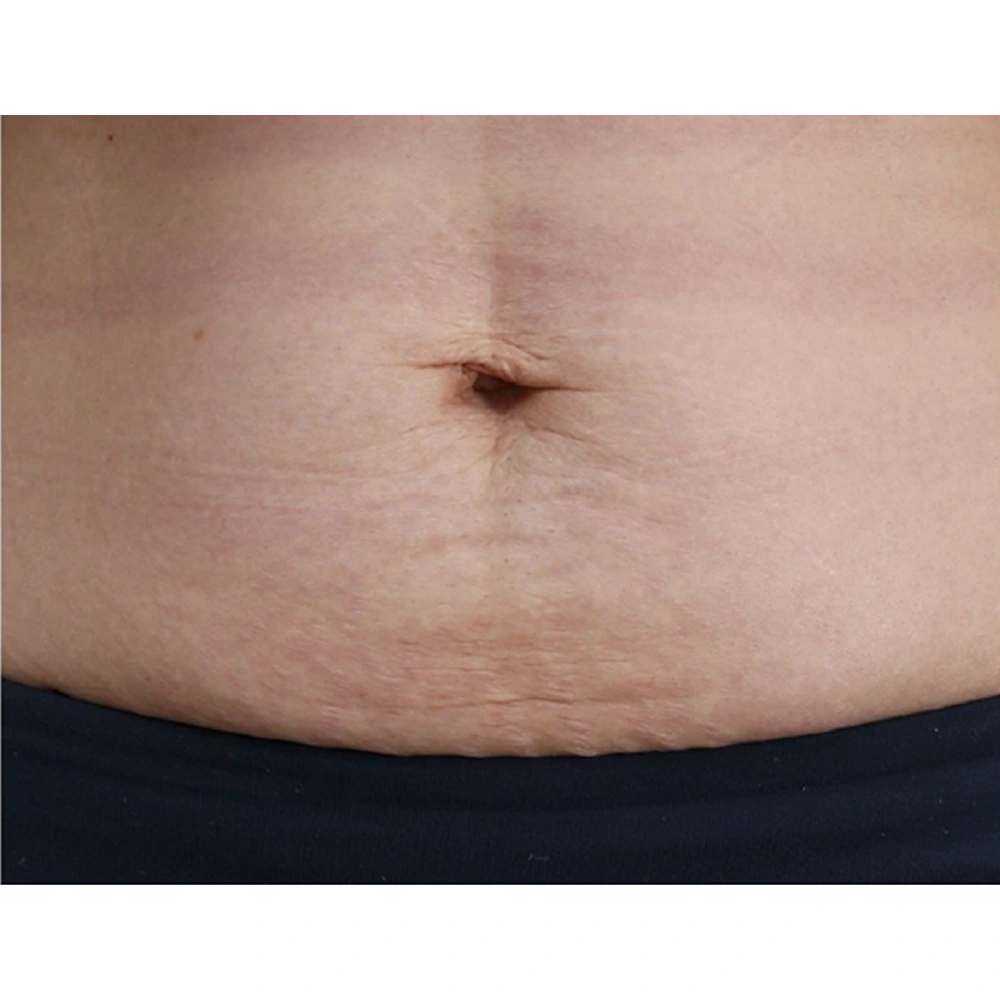
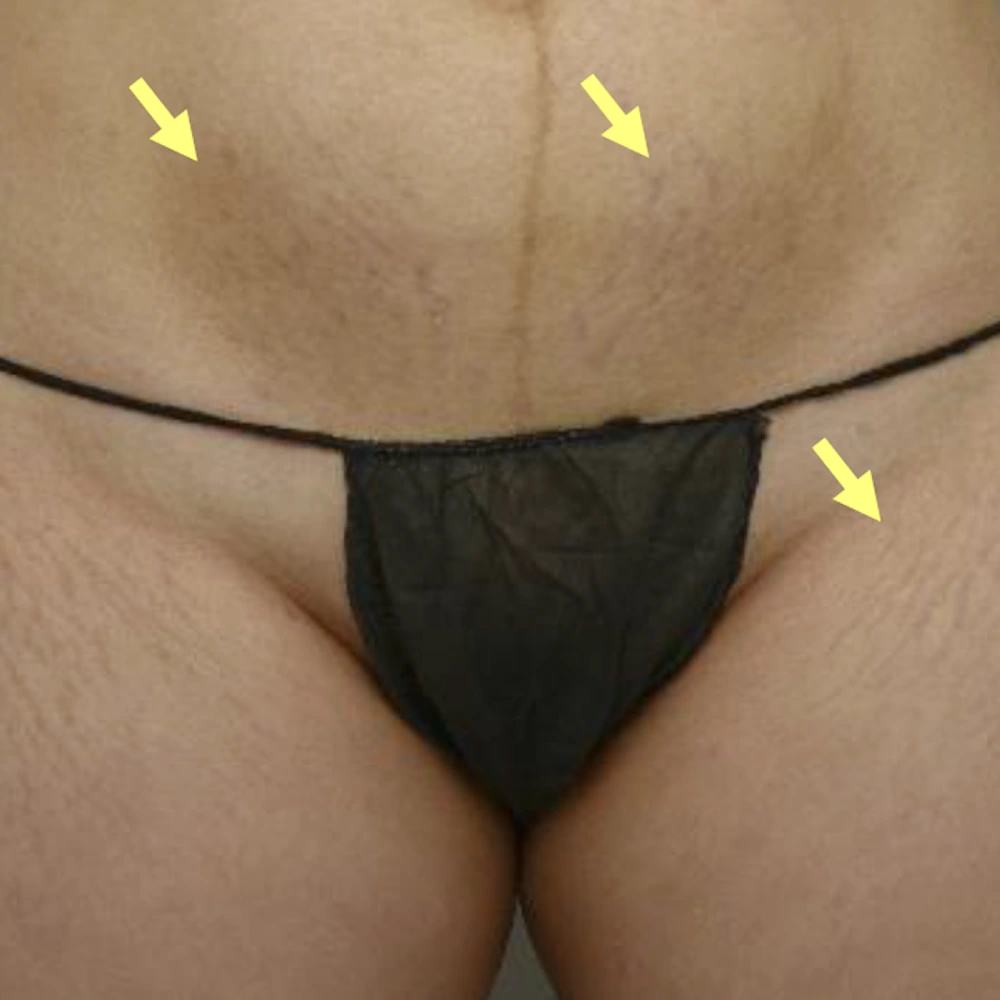
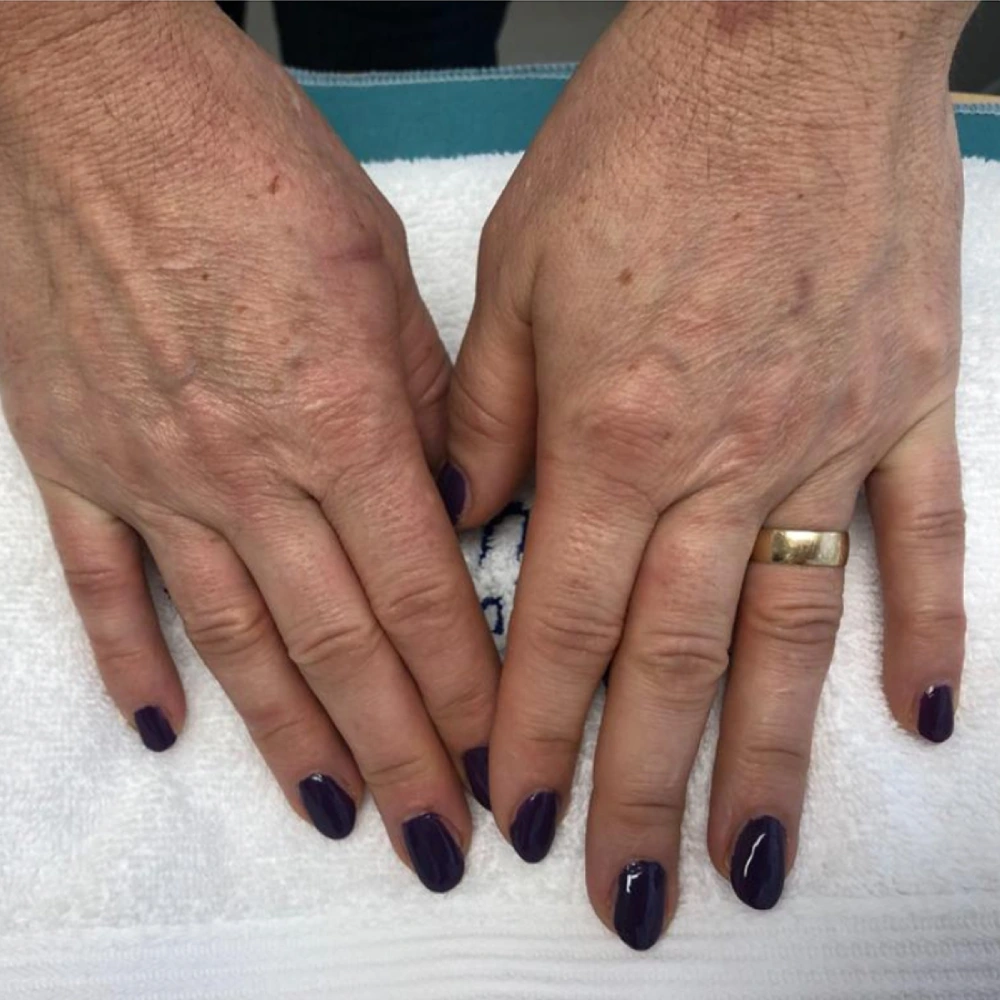
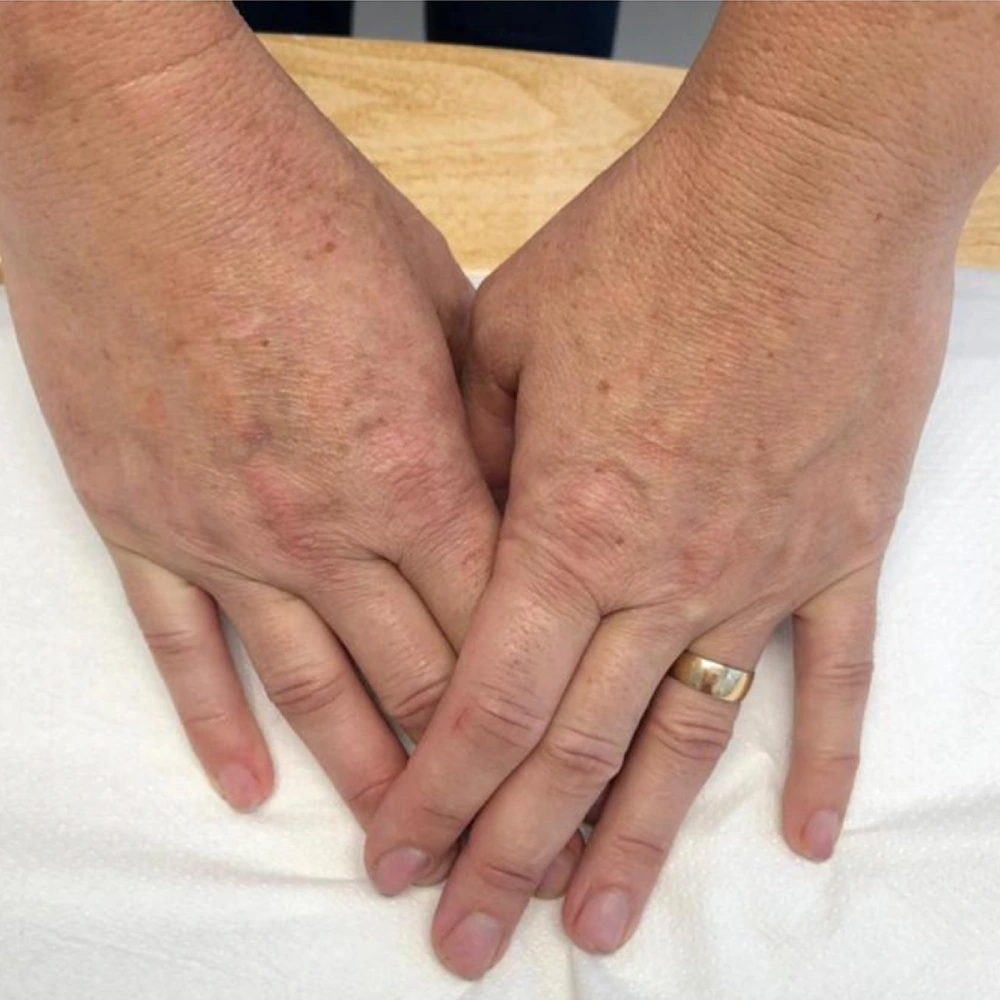
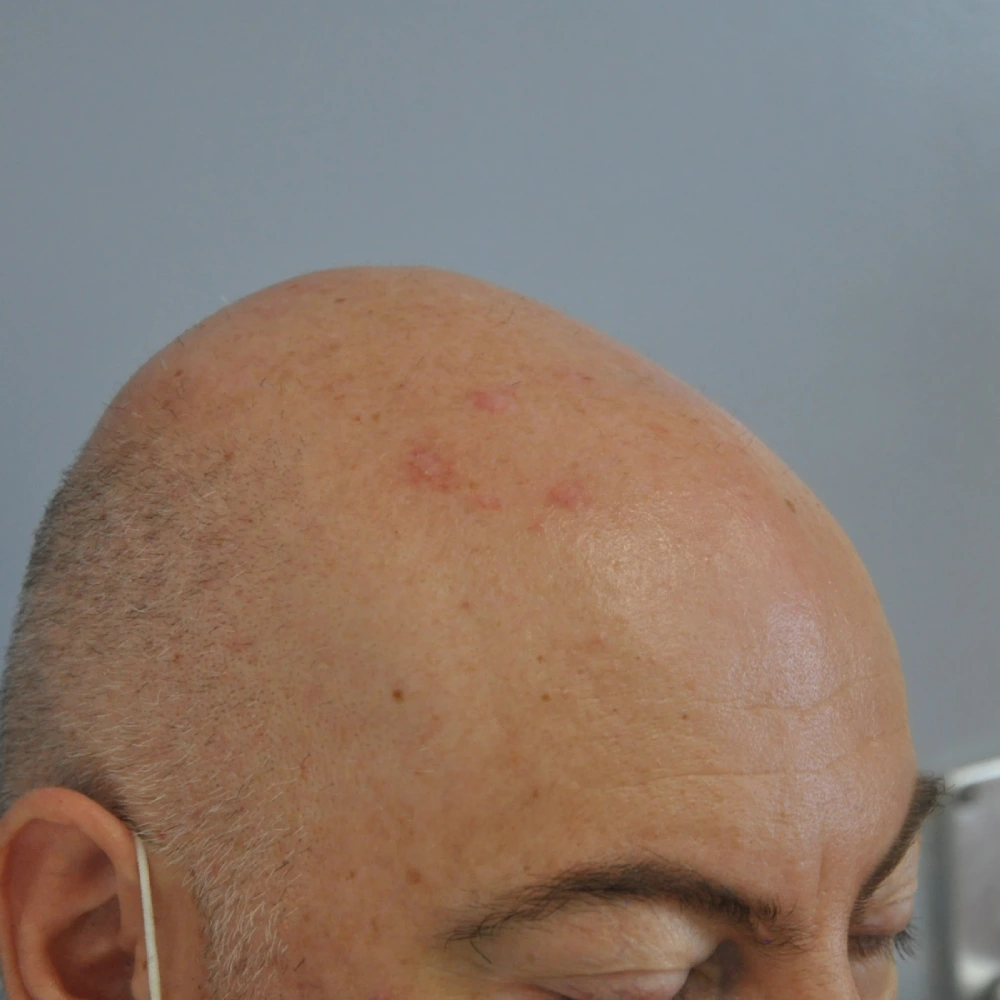
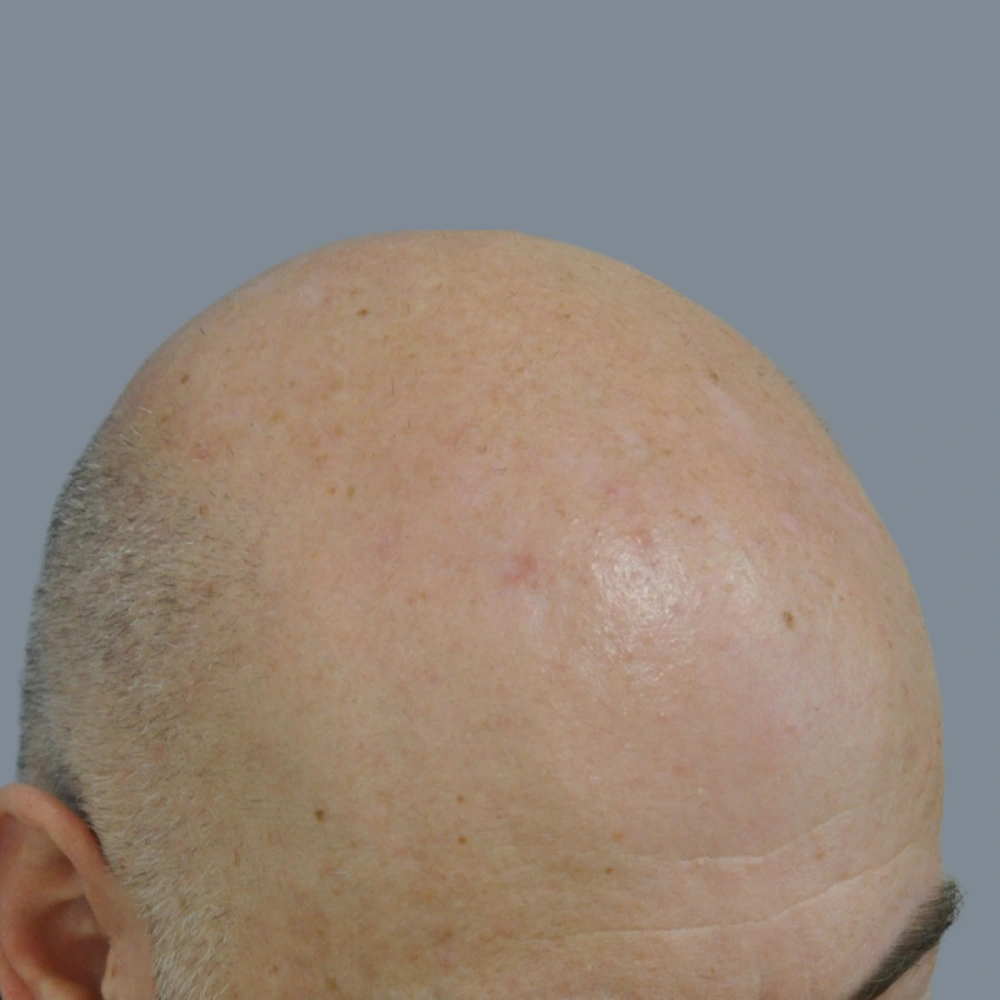
Tixel before and after cases show visible changes in skin quality following clinical skin resurfacing treatments. Outcomes across different treatment areas highlight improvements in texture, tone, and overall skin appearance.
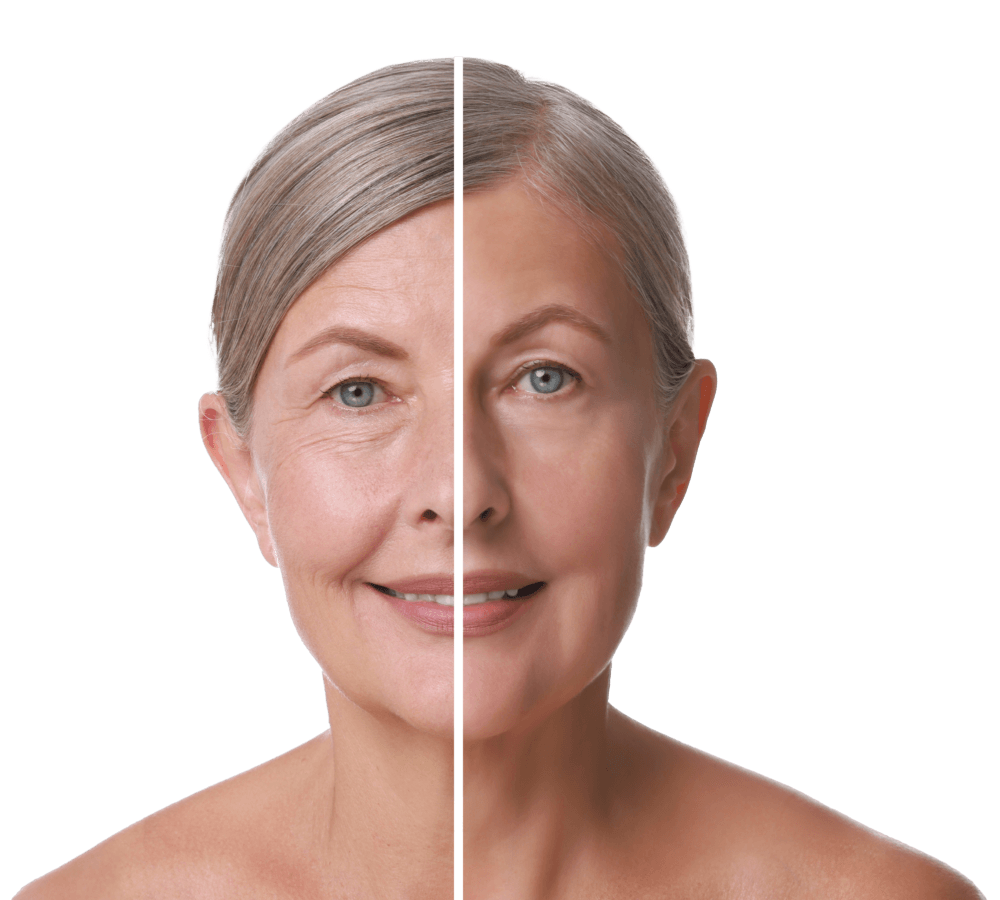
Visible Improvements Across Treatment Areas
Tixel before and after cases demonstrate measurable changes in common aesthetic concerns affecting skin quality and appearance.
Observed improvements include:
- Smoother skin surface and improved texture
- Reduction in visible lines
- More even skin tone
These outcomes reflect controlled treatment application and consistent execution, supporting reliable performance in clinical practice.
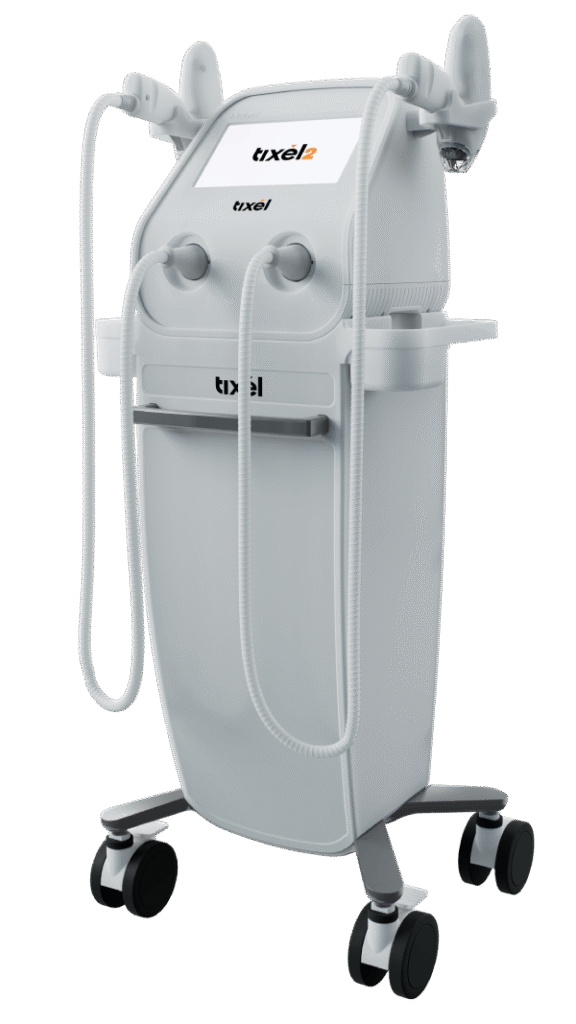
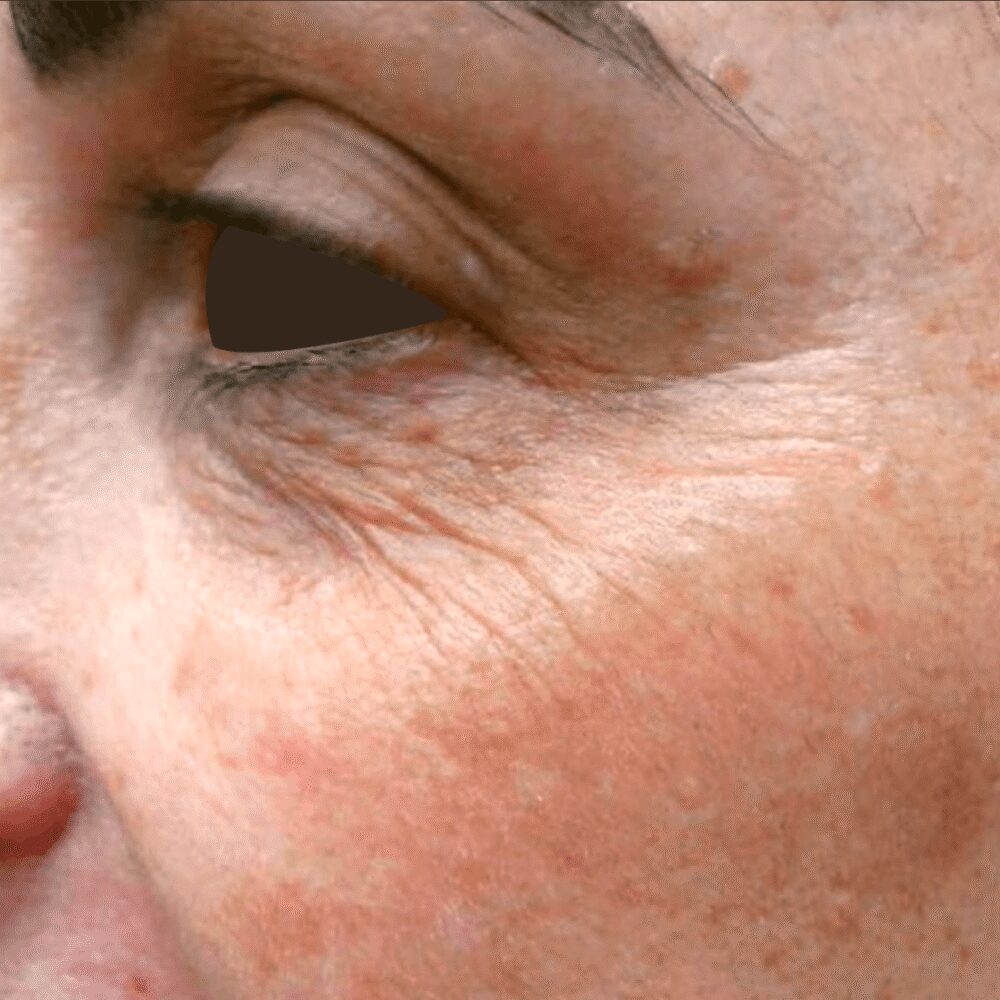
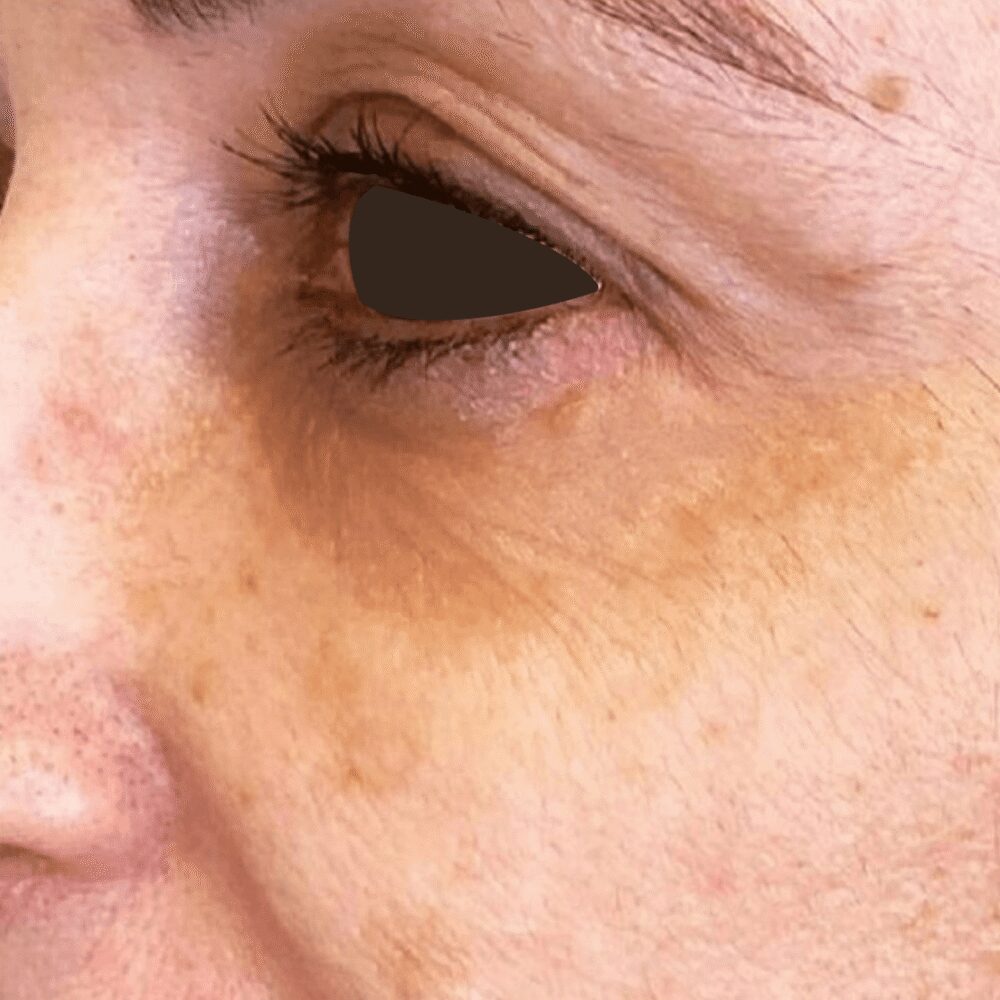
Progressive Skin Resurfacing Results
Skin resurfacing with Tixel develops progressively over a treatment series. Early changes are often visible after initial sessions, with continued improvement observed as treatments progress.
Typical progression includes:
- Gradual refinement of skin quality
- Increased consistency in tone and texture
- Enhanced overall skin appearance
This progression supports structured treatment planning within clinical aesthetic procedures.
Consistency Across Clinical Cases
Treatment performance remains consistent across different skin types and indications. Cases shown reflect uniform application and predictable response across multiple patients.
This level of consistency supports repeatable delivery in clinical practice.
Evaluate Real Treatment Outcomes
Tixel results provide a clear view of how controlled skin rejuvenation treatments perform in real-world clinical scenarios. These examples support use across a broad range of clinical aesthetic procedures.






Bring Tixel Into Your Practice
Evaluate the Tixel platform to understand how controlled skin resurfacing treatments can be integrated into your clinical workflow. Review real treatment outcomes, assess protocol structure, and explore how Tixel supports consistent performance across patient cases.